Choose timezone
Your profile timezone:
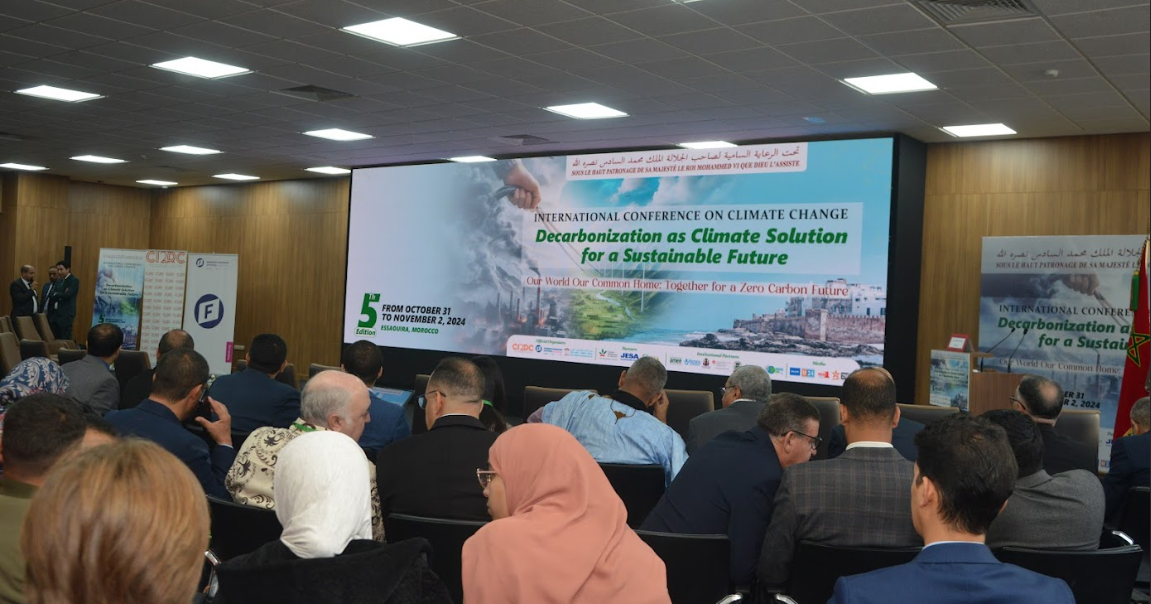
The 5th edition of the International Climate Change Conference, held under the high patronage of His Majesty King Mohammed VI, was a great success. Focused on decarbonization, it brought together renowned experts, researchers, institutional actors, and policymakers to identify concrete solutions for achieving carbon neutrality. This event led to strong commitments toward energy transition and the establishment of strategic partnerships to accelerate decarbonization in key sectors of the Moroccan and African economies. Building on this momentum, the 6th edition of the Conference aims to deepen these discussions and broaden the scope of action by integrating other crucial pillars in the fight against climate change, including adaptation, mitigation, loss and damage, and resilience. Furthermore, the findings of the Intergovernmental Panel on Climate Change (IPCC) Sixth Assessment Report indicate that global warming has reached approximately 1.1 to 1.3°C above pre-industrial levels. This report reaffirms the dominant role of human activities in global warming and highlights the alarming acceleration of this phenomenon.
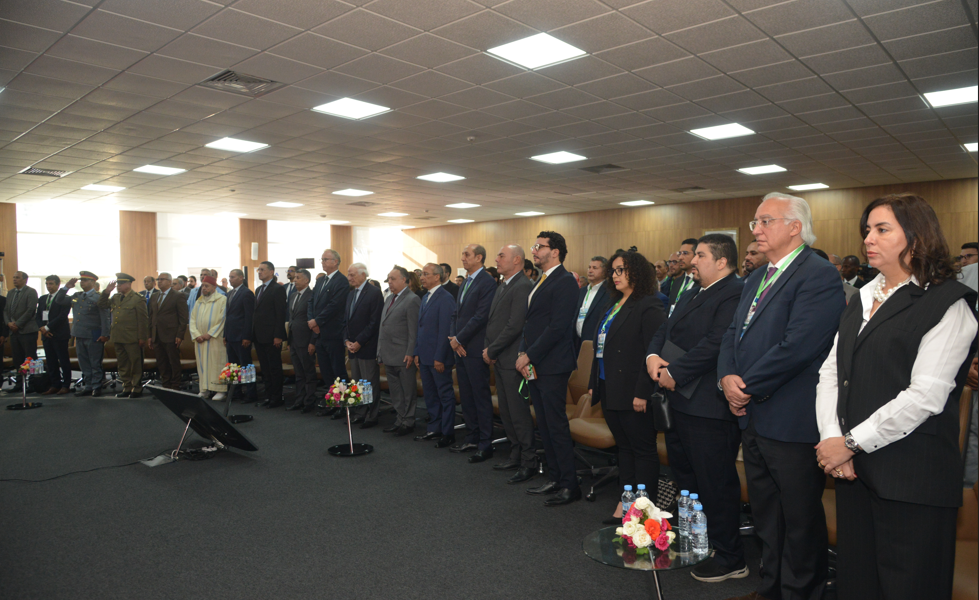
Climate models predict that if greenhouse gas (GHG) emissions continue at their current pace, global temperatures could rise by 2°C to 4°C by the end of the century, leading to dramatic and increasingly visible consequences on resources, the global economy, health, and the security of billions worldwide. The COP29, held in Baku in 2024, emphasized the need to triple climate financing for developing countries by 2035 to enhance their adaptation and mitigation capacities. These commitments open new perspectives and call for coordinated actions among governmental, scientific, and private sector actors to translate climate policies into concrete and sustainable solutions. Decarbonizing territories is essential in the fight against climate change and ensuring a sustainable, shared, and prosperous future. A just and inclusive transition toward a low-carbon economy fosters innovation, creates new job opportunities, and stimulates local economic growth. Developing renewable energy, energy efficiency, and clean technologies strengthens territories' resilience against fossil fuel dependency, energy price fluctuations, and supply chain disruptions.

In this context, the International Center for Research and Capacity Building (CI2RC), the Friedrich Naumann Foundation (FFN, Germany), the Higher School of Technology Essaouira, Cadi Ayyad University (ESTE, UCA), and the Arava Institute for Environmental Studies (AIES) are launching the 6th edition of the International Climate Change Congress from October 16-18, 2025, with the ultimate goal of discussing comprehensive and cross border solutions to address the current climate crisis. This edition aims to mobilize a diverse range of participants, including policymakers, international organizations, academic experts, doctoral researchers, representatives from the private sector, and civil society actors interested in the relationship between climate change and sustainable territorial development.
Argan press cake (APC), the protein-rich byproduct of argan oil extraction, has historically been used as animal feed but is now largely discarded due to its unsuitability for livestock nutrition. Despite this, APC is a highly promising resource for human food applications. It contains up to 48% protein (dry weight), surpassing conventional plant-based protein sources like soy (36–40%) and approaching the protein density of dried red meat. Its essential amino acid composition, determined by HPLC following acid hydrolysis, matches or exceeds FAO/WHO reference standards, particularly in key amino acids such as leucine, lysine, and methionine.
In vitro digestion assays demonstrated high protein bioaccessibility, underscoring APC’s potential as a digestible and metabolically available protein source for diverse consumer groups, including athletes and elderly populations. This aligns with FAO projections that global protein demand will increase by over 70% by 2050, highlighting APC’s role as a sustainable and low-impact solution to meet nutritional needs.
However, its food application is limited by intense bitterness and astringency primarily due to high levels of saponins. While these compounds exhibit health-promoting bioactivities (anti-inflammatory, anti-hyperlipidemic, and anti-carcinogenic effects), they negatively impact sensory properties and may exert antinutritional effects. Thermal treatments proved ineffective in reducing saponin content, prompting the development of a solid-state fermentation strategy using lactic acid bacteria (LAB) isolated from smen, a traditional Moroccan fermented butter. Preliminary results show significant saponin reduction while preserving APC’s nutritional quality. Optimization of fermentation parameters, including pH, temperature, and inoculum concentration, is ongoing to develop an effective and scalable debittering protocol.
Following successful debittering, the incorporation of APC into innovative food products, such as argan-based non-dairy milk, protein bars, and plant-based meat analogs, is envisioned.
This work demonstrates a circular, sustainable approach to food innovation by valorizing an agro-industrial byproduct into a high-quality, health-promoting ingredient that aligns with global sustainable nutrition goals.
Argania spinosa honey is a rare and understudied natural product, uniquely produced in the arid southwest of Morocco where the endemic argan tree thrives. Despite the global recognition of argan oil for its medicinal value, the honey derived from its flowers remains largely underexplored. This study presents a comprehensive characterization of eight argan honeys harvested from different regions in the Souss-Massa area, aiming to evaluate their physicochemical properties and biological potential.
Mellisopalynological analysis confirmed the botanical origin, identifying Argania spinosa as a dominant source, and a complete set of analyses was conducted, including pH, free acidity, electrical conductivity, moisture, Brix, ash content, sugar profile, diastase and invertase activity, and protein content. Spectrophotometrically, the total polyphenol and flavonoid contents were quantified, and to assess the maturity and authenticity of the samples, proline levels were measured
Preliminary results highlight the uniqueness of argan honey: high levels of bioactive compounds, presence of reducing sugars, and strong enzyme activities, consistent with high biological value and freshness. These results underline its potential as a functional food and especially a therapeutic agent, particularly in antioxidant and antimicrobial applications.
This first detailed study on argan honey supports its valorization as a high-value Moroccan product with ecological, nutritional, and medicinal interest and contributes directly to its scientific validation.
Keywords:
Argania spinosa honey; physicochemical properties; polyphenols; flavonoids; diastase activity; proline; reducing sugars; antioxidant potential; melissopalynology.
In the context of global climate change and the urgent need for sustainable public health solutions, the valorization of local medicinal plants offers a promising approach combining biodiversity, traditional knowledge, and green pharmacology. Dysphania ambrosioides, traditionally used in Moroccan medicine to treat inflammatory conditions, is gaining scientific interest as a natural source of bioactive compounds [1].
This study aimed to evaluate the anti-inflammatory activity of dichloromethane (DCM) and methanolic (MeOH) extracts of Dysphania ambrosioides using both in vivo [2] and in vitro models [3,4]. In the carrageenan-induced paw edema model in mice, the DCM extract showed 62.99% inhibition at 100 mg/kg and 54.14% at 300 mg/kg, while the MeOH extract achieved 59.21% and 63.43% inhibition at the same doses after four hours. In vitro assays based on protein denaturation (egg albumin and bovine serum albumin) further confirmed these results. The MeOH extract exhibited 73.60% inhibition of egg albumin denaturation (compared to 69.12% for diclofenac sodium) and 92.53% inhibition of BSA denaturation (vs. 96.47% for diclofenac), while the DCM extract remained moderately active (60.33% and 59.9%, respectively).
These findings support the traditional use of Dysphania ambrosioides and highlight its potential as a natural anti-inflammatory agent. Its valorization contributes to the development of accessible, environmentally friendly therapeutic alternatives based on local natural resources, strengthening health resilience in the face of climate and ecological challenges. Further studies are warranted to isolate the active constituents and elucidate their mechanisms of action.
Keywords: Dysphania ambrosioides, plant bioactives, anti-inflammatory, methanolic extract, dichloromethane extract, natural resources, biodiversity, public health.
Plant biodiversity is a fundamental pillar of natural ecosystems and public health, due to its role in maintaining ecological balance, the sustainable use of natural resources, and the synthesis of bioactive compounds of pharmaceutical interest. Situated at the crossroads of multiple biogeographical influences, Morocco harbors a remarkable floristic diversity. Among the most
interesting plant families is the Apocynaceae family, which groups together various endemic species with unique medicinal and ecological characteristics. Apocynaceae is a family of dicotyledonous angiosperms with over 5,000 species in 400 genera. They are found mainly in tropical and subtropical regions. In the Moroccan context, this family is represented by a limited but ecologically significant diversity. It stands out for its wealth of bioactive compounds, notably flavonoids, phenols, cardiotonic glycosides, alkaloids, and other secondary substances with significant biological effects. The endemic status of this family results specifically from their adaptation to specific ecological niches, particularly in the mountainous regions of the Anti-Atlas and High Atlas, the arid and semi-arid zones of southern Morocco, and certain coastal regions. However, their limited geographical distribution makes them particularly vulnerable to anthropogenic pressure and climate change. The study of the Apocynaceae family is therefore of twofold interest: on the one hand, the conservation of endemic plant biodiversity, and on the other, the exploitation of their public health potential through the identification of bioactive compounds of natural origin.
Keywords: Apocynaceae, plant biodiversity, endemicity status, climate change, public health.
South-west Morocco constitutes a refuge for a diverse array of phytogeographical elements, characterized by exceptional plant biodiversity. However, this region faces multiple forms of environmental degradation, with its flora increasingly threatened by recurrent droughts, habitat destruction, and overgrazing. Of particular concern is the emblematic subspecies Thymus broussonnetii subsp. broussonnetii, which is endemic to Morocco and currently at risk of extinction. This study focuses on the floristic diversity within the ecosystem of the “Thuja Forest of Essaouira” in south-west Morocco. A systematic and biological synthesis was conducted utilizing floristic identification keys. The study relied on the most recent references and incorporated the updated guidelines of the IUCN Red List categories and criteria. The 157 floristic samples inventoried 192 species, distributed across 45 botanical families, with approximately 90% of these species identified as dicotyledons. The six most prevalent botanical families identified were Asteraceae (37 species), Brassicaceae (15 species), Fabaceae (14 species), Lamiaceae (10 species), Plantaginaceae (9 species), and Geraniaceae (8 species). Among the life-form categories, therophytes were predominant, representing 47% of the total flora. Endemic, rare, and threatened flora within the Thuja Forest of Essaouira constitute a significant proportion of Morocco’s overall endemic, rare, and threatened plant species. Endemic species and subspecies account for 1.59% of the total Moroccan endemics, while rare and endangered taxa represent 2.68% of the country’s corresponding flora. Notably, this study is the first to compile a Red List specifically addressing the endemic, rare, and threatened vascular plants of the Essaouira Thuja Forest coastal area.
Salvia taraxacifolia, a species from the Lamiaceae family widely used in traditional Moroccan medicine, was investigated for its essential oil-producing structures, chemical profile, and antioxidant activity. Histological examination of the leaves revealed the presence of capitate and peltate glandular trichomes, typical secretory structures in the Lamiaceae family, involved in the biosynthesis and storage of volatile compounds. The essential oil obtained from the aerial parts was analyzed using gas chromatography–mass spectrometry (GC-MS). A total of 57 compounds were identified, representing 99.37% of the total oil content. The oil was mainly composed of sesquiterpene hydrocarbons, with germacrene D (18.94%) as the most abundant compound, along with significant levels of monoterpenes, particularly limonene (8.63%). Antioxidant activity was assessed using DPPH and FRAP assays. The oil exhibited moderate antioxidant potential, with IC₅₀ values of 350 µg/mL (DPPH) and 368 µg/mL (FRAP). These results suggest a synergistic effect among the oil's constituents contributing to its radical-scavenging capacity. This study supports the potential use of S. taraxacifolia essential oil as a natural antioxidant agent, offering valuable applications in the pharmaceutical and cosmetic industries.
Keywords: Salvia taraxacifolia, essential oil, histological analysis, glandular trichomes, chemical composition, GC-MS, antioxidant activity, DPPH assay, FRAP assay.
Aloe vera (A. barbadensis Mill), is a perennial succulent plant belonging to the Liliaceae family that is distributed all over the world for its therapeutic and skin health benefits. Its gel, derived from parenchymatous cells in fresh leaves, is a potent source of numerous functional bioactive and nutrient compounds, which are associated with its biological and functional activities. However, the limiting therapeutic applications of Aloe vera gel include the quick oxidation, fast changing color, odor, viscosity, and high enzymatic activity. The stabilization of Aloe vera gel with an appropriate technique is therefore necessary to preserve its phytochemical substances and bioactive entities. There are various processing techniques applied for sterilizing and stabilizing the Aloe vera gel, such as heating, drying, and incorporating chemical preservatives and additives. The disadvantage of heating processes is that to destroy the bioactive compounds of the gel with the physicochemical alterations. However, limited knowledge about its stability and shelf life still exists. The objective of our study is to optimize extraction and preparation conditions and to perform an effective stabilization of Aloe vera gel freshly extracted from the leaves by adding antioxidants, antimicrobials, and natural stabilizers to ensure its stability in dark and cold conditions. The wound healing effectiveness of stable Aloe vera gel applied topically once daily to mice’s skin wounds was assessed by wound contraction every 2 days. Our study was performed to demonstrate whether the gel formulation still has the therapeutic properties as a wound healing agent.
Keywords: Aloe vera leaf gel; stabilization; preservatives, stabilizers, wound healing
This study assesses the performance of a prototype activated sludge pilot system developed for the treatment of secondary-treated urban wastewater (SWW). The system was designed to emulate the fundamental processes of biological wastewater treatment through the activated sludge method. Daily sampling was conducted at both the influent and effluent points of the reactor, with key physicochemical parameters monitored using standardized analytical protocols. The findings revealed effective biomass development, with total suspended solids (TSS) reaching 2 g/L and volatile suspended solids (VSS) at 1.4 g/L. The system achieved pollutant removal efficiencies of 92.11% for nitrites, 75.82% for nitrates, 80.10% for Ammonium, 81.66% for Total Nitrogen, 79.6% for total phosphorus, and 57.3% for chemical oxygen demand (COD). These results highlight the efficiency of the pilot-scale activated sludge system in treating wastewater and confirm its compliance with Moroccan discharge standards.
Keywords: Prototype Activated sludge pilot, secondary wastewater, Biomass growth, Moroccan discharge standards.
Rosa damascena, cultivated in Morocco since the 10th century, holds a prominent place in traditional medicine due to its therapeutic properties. In the Dades Valley, the cultivation and processing of this plant represent a vital source of income for local communities. Given its increasing use in health-related applications, assessing its safety is essential. Additionally, this cultivation plays a key role in preserving local biodiversity and maintaining the ecological balance of the region. This study aimed to evaluate the acute oral toxicity of the hydroethanolic extract of Rosa damascena flowers from the Dades Valley (RDFE) in Swiss albino male mice.
For the acute toxicity assay, two groups of mice (n = 6 per group) were used. The control group received distilled water, while the treated group received a single oral dose of 2000 mg/kg of RDFE. Over a 14-day observation period, animals were monitored daily for signs of toxicity, behavioral changes, body weight variations, and mortality. At the end of the experiment, biochemical analyses and histopathological examinations of liver and kidney tissues were conducted to further evaluate potential toxicity.
Therefore, no mortality, behavioral abnormalities, or significant weight changes were observed in the treated group. Biochemical parameters remained within normal ranges, and histological analysis of the liver and kidneys revealed no structural alterations compared to the control group. These findings suggest that the LD₅₀ of RDFE is greater than 2000 mg/kg.
In conclusion, this study demonstrates that RDFE is non-toxic at the tested dose under acute exposure conditions. However, further research is required to assess its long-term safety and potential toxicological effects in humans.
Keywords : Rosa damascena, Dades valley, Acute toxicity.
The Central High Atlas of Morocco harbors a rich diversity of medicinal and aromatic plants, fostered by unique bioclimatic conditions and altitudinal gradients (plain, piedmont, and mountains), which support a varied flora. Many species are rich in bioactive compounds, particularly polyphenols, known for their physiological health benefits. Despite this biodiversity, scientific data on these plants remain limited and fragmented [1,2].
In this study, an ethnopharmacological survey was conducted to identify promising medicinal plants used by local communities, providing a scientific basis for further phytochemical and biological investigations. The survey was carried out in the High Atlas between January and March 2024. A total of 215 informants, including traditional herbalists, healers, and community members, were interviewed. Data were collected through semi-structured interviews and focus groups, then analyzed using quantitative ethnobotanical indices such as the Family Importance Value (FIV), Relative Frequency of Citation (RFC), Fidelity Level (FL), and Informant Consensus Factor (ICF).
A total of 80 medicinal species belonging to 41 botanical families were recorded, with Lamiaceae and Asteraceae being the most represented, comprising 17 and 7 species, respectively. Most species are used to treat gastrointestinal disorders (e.g., Thymus pallidus, Mentha suaveolens) and respiratory diseases (e.g., Thymus pallidus, Lavandula dentata L., Juniperus phoenicea). Leaves were the most commonly used plant parts, and decoction was the predominant preparation method.
This study highlights the extensive ethnomedicinal knowledge of Central High Atlas communities and underscores its value for future phytochemical and pharmacological research. Moreover, the documentation and valorization of this traditional knowledge contribute to the sustainable development of local communities through the conservation and responsible use of plant biodiversity.
Keywords: Ethnopharmacological survey, Medicinal plants, Phytotherapy, Natural resources, Public health, Biodiversity.
[1] El Alami A, Chait A. Enquête ethnopharmacologique et ethnobotanique sur les plantes médicinales dans le Haut Atlas central du Maroc. Alger J Nat Prod 2017; 4: 427–445.
[2] El Alami A, Farouk L, Chait A. Étude ethnobotanique sur les plantes médicinales spontanées poussant dans le versant nord de l’Atlas d’Azilal (Maroc). Alger J Nat Prod 2016; 5: 271–282.
JOB Pertamina-Medco E&P Tomori Sulawesi (JOB Tomori) is affiliation of PT Pertamina (Persero), an Indonesian national energy company that manages exploration and production of oil and gas in Indonesia. JOB Pertamina-Medco Tomori is one of the biggest asset operated in Sulawesi Island, Indonesia.
Pertamina group committed to manage their safety culture and environmental excellence through many innovation programs and initiatives. We are aware that global environmental challenges in the future are quite substantial, especially for energy sector. One of the biggest challenges is climate change, climate change affects environment in many ways including arising temperatures, sea level rise, flooding, and many more. These events affect things that we depend upon and value like water, energy, transportation, wildlife, agriculture, ecosystem and human health. It could be a privilege if we could asses the potential climate hazard that would impact to our asset, we engaged to conduct the Climate Change Risk Assesment (CCRA) to fulfil the relevant commitment regarding the assessment and management of climate-related risks and opportunities that may arise and impact the financing of the operations and developments of Senoro in the future.
The CCRA’s scope encompassed the screening of relevant climate hazards, the identification of the hazards impacting the Project’s facilities and operational activities and the Project’s resilience to these, and the evaluation of business-related risks arising from the transition to a low-carbon economy and recommending potential risk mitigation measures. The CCRA methodology adheres to international standards and frameworks, specifically the fourth edition of the Equator Principles (EP4), referencing the Guidance Note for the CCRA that released in September 2020 version, and recommendations of the Task Force on Climate-related Financial Disclosures (TCFD). There are two climate related risks and drivers defined by TCFD, first is Physical which divided from two risk, Acute and Chronic. Second is Transition which divided from three risk, Policy & Legal, Market & Technology, and Reputation.
JOB Tomori has been encouraged to implement a CCRA aligning with climate physical risk and climate transition risks and opportunities categories of the TCFD. Specifically, the objectives of the physical risk assessment are to:
•Identify the potential climate hazards to the Project arising from current and future climate parameters;
•Understand the likely implications of these climate hazards on the Project in forward-looking climate scenarios; and
•Outline opportunities to enhance the asset’s resilience to climate hazards at high level.
The objectives of the transition risks and opportunities assessment are to:
•Identify transition risks and opportunities (referred collectively as “transition drivers”) by analysing the Project’s compatibility with the Government of Indonesia’s Enhanced Nationally Determined Contribution (E-NDC) to the global Paris Agreement and its goals;
•Determine material transition risks and opportunities by examining the industry outlook of the Project;
•Understand the likely implications of transition risks and opportunities in forward-looking climate scenarios; and
•Provide high-level recommendations how to mitigate potential transition risks and enhance opportunities.
This assessment included the use of climate data across two Intergovernmental Panel on Climate Change (IPCC) Shared Socioeconomic Pathway (SSP)4 scenarios and two timeframes: 2030 and 2050 against the baseline. The historical or baseline climate model data is representative of the true climate experienced between 1960 and 2020. Climate data was collected primarily using ERM’s Climate Impact Platform (CIP) and Global Climate Database (GCD) and was supplemented by any climate data provided by the client as well as the best available online sources of data. The climate scenario analysis included IPCC’s low-carbon (SSP 1-2.6) and high-carbon (SSP 5-8.5) emissions scenarios, as recommended by the TCFD technical guidance on climate scenario analysis5 and other internationally recognised sources. Following the results of the screening-level assessment, two material climate hazards were identified for the Project, based on their high risk scores Extreme Heat and Coastal Floods. The selection of these hazards is also aligned with the geographical location of the project, which is located near the equator and in close proximity to the sea. The Baseline Risk Score for Coastal Floods is Moderate (2.08) while the Baseline Risk Score for Extreme Heat is Minimal (0.64).
To assess the potential impacts of the transition, we selected two climate scenarios from the International Energy Agency (IEA) World Energy Outlook (WEO) 2022 – a business-as-usual scenario known as the Stated Policies Scenario (STEPS), and a low-carbon scenario aligned with the Paris Agreement's goal of limiting warming to "well below 2°C,” known as the Announced Pledges Scenario (APS). We compared the difference between these two scenarios for two-time horizons, 2030 and 2050, to gauge the magnitude of potential impacts. The result is JOB Tomori asset have more impact of transition risk or opportunity at 2050 than 2030, highlighted the Carbon Pricing become the biggest transition risk or opportunity of the operation at 2050. A carbon pricing scheme will charge a unit cost on every tonne of carbon emissions from JOB Tomori's operations that may result in an additional operating cost. Second, is a mandate to implement Carbon Capture Utilization and Storage (CCUS), The Minister of Energy and Mineral Resources (MEMR) just released the Regulation No. 2 year 2023 on Implementation of CCUS in the upstream oil and gas activities. The regulation stated that in the case of depleted reservoir, contractors need to utilise the facility for CCUS. Third, decreasing gas demand from Japan. As one of the key markets from JOB Tomori gas sales, Japan has enacted some energy roadmap to transition from fossil fuel by 2050. This is to support their Carbon Neutrality 2050 target. A decrease of natural gas demand may impact some reduction in revenues.
JOB Pertamina-Medco Tomori will always committed and contributed to responding the global challenges in environmental sector. We must recognize that combating climate change is not solely the responsibility of policy makers or regulators and scientists, but requires the active participation of individuals, businesses company, and organizations. By sharing knowledge, mobilizing resources, and advocating for sustainable practices, we can collectively make a significant impact.
Climate change is increasingly recognized as a critical driver of public health risks, particularly through its influence on waterborne diseases. Diarrheal illnesses, a significant cause of morbidity and mortality in low-resource settings, are especially sensitive to climatic factors such as extreme precipitation and temperature fluctuations. In response to the need for robust, standardized tools to monitor and quantify these impacts, a new statistical framework has been developed to estimate the burden of climate-attributable diarrheal disease. This framework introduces two core indicators: the incidence of diarrhea attributable to extreme precipitation and to extreme temperature. It employs a spatiotemporal Bayesian hierarchical model integrated with Distributed Lag Nonlinear Models (DLNM) to assess the exposure-lag-response relationship. The approach captures both immediate and delayed effects of climate hazards on disease incidence while accounting for seasonality, spatial heterogeneity, and unmeasured confounders. The methodology leverages routinely collected health surveillance data, high-resolution meteorological datasets such as ERA5, and census-based population statistics. It supports disaggregation by age, sex, region, and socioeconomic status, enabling targeted insights into population vulnerability. Outputs include estimates of relative risk as well as the attributable number and rate of diarrhea cases per 100,000 population. This work contributes a scalable and replicable approach to climate-health monitoring, providing decision-makers with evidence to design adaptive interventions and improve resilience to climate-sensitive diseases. It aligns with international public health goals and advances the development of actionable indicators for global climate-health surveillance.
As the effects of climate change intensify, floods have become a major threat to coastal and urban areas, particularly in southern Morocco. This study focuses on the Agadir region to analyze the impacts of recent flood events in connection with climatic disturbances, as well as the institutional and territorial responses currently in place. The methodological approach is based on hydrological modeling, enabling the simulation of various climate scenarios and the assessment of vulnerability levels in at-risk zones. The aim is to identify effective strategies for flood prevention and integrated risk management, taking into account local dynamics, urban development, and adaptive capacities. The expected outcomes seek to contribute to strengthening territorial resilience and improving the anticipation of extreme hydrometeorological events at the regional level.
Keywords :Climate change · Floods · Hydrological modeling · Vulnerability · Risk management · Morocco
The assessment of groundwater potential in Mediterranean climate regions, such as the Inaouene watershed in northern Morocco, is a strategic priority for sustainable water resource management. In this study, we explore the application of machine learning algorithms to improve the predictive mapping of groundwater potential zones. Sixteen environmental and geological factors influencing groundwater occurrence were identified, extracted, and analyzed using Geographic Information System (GIS) tools. These factors were then integrated into a Python-based modeling workflow developed in the Spyder environment.
Four supervised classification algorithms—Random Forest (RF), Decision Trees (DT), Naive Bayes (NB), and Probabilistic Neural Network (PNN)—were applied to the dataset. The performance of each model was evaluated using standard metrics, including the confusion matrix, Kappa index, and overall accuracy. The Random Forest algorithm demonstrated superior performance, achieving an accuracy of 91.4% and a Kappa index of 0.88, indicating excellent agreement between predicted and observed groundwater potential zones. Decision Trees and PNN achieved moderate results, with accuracies of 83.6% (Kappa = 0.76) and 85.1% (Kappa = 0.72), respectively, while Naive Bayes was less effective (accuracy = 78.2%, Kappa = 0.69).
These results show and prove the robustness and reliability of the Random Forest model for delineating high-potential groundwater areas. The study highlights the advantages of combining GIS-based spatial analysis with advanced machine learning techniques for predictive hydrogeological mapping, providing valuable insights for water resource planning and management in similar climatic regions. Those results could be compared with geophysical data for mapping the potential groundwater areas.
Flash floods are among the most severe natural disasters, typically triggered by intense rainfall or sudden snowmelt, and are characterised by high flow velocities and limited lead time for warning or evacuation. These events primarily affect moderate-sized mountainous basins, generally ranging from a few to several hundred square kilometres. In this context, the Oued Zat basin serves as a pertinent example, it is a sub-basin of the Oued Tensift one of Morocco’s largest watersheds and covering an area of 604 km². The basin is particularly known for the frequency and intensity of its flash floods. This study aims to identify, extract, and classify flash flood events in the Zat watershed and to analyse both natural and anthropogenic factors contributing to flash flood risk in the context of climate variability. Methodologically, the study relies on statistical analysis of instantaneous flow data collected at the Tafriat hydrometric station over 58 years (1965–2022). The research outcomes identified several types of flash floods in the study area. These findings underscore the necessity of implementing appropriate development strategies and preventive measures to safeguard both the population and infrastructure from such extreme events.
Key words: Flash floods, Factors, Statistical analysis, Mountainous basins.
The Souss-Massa basin, located south of the High Atlas Mountains, is a semi-arid region highly exposed to climate variability and extreme drought events. This study proposes an integrated, data-driven framework that combines multivariate statistical analysis and machine learning to analyze spatio-temporal precipitation patterns (1940–2023) and predict drought risk under future climate scenarios.
Principal Component Analysis (PCA) was employed to extract dominant rainfall patterns and reduce dimensionality, while the Standardized Precipitation Index (SPI) was used to quantify drought severity at multiple time scales. A Partial Least Squares (PLS) regression model demonstrated high predictive performance, showing strong agreement with historical drought events (R² = 0.99; RMSE = 0.039).
To enhance robustness and capture potential non-linear relationships, a Random Forest Regression model was also tested. All analyses were conducted using Python on Google Colab, ensuring reproducibility and scalability. The combined approach offers practical insights to support water resource management, drought risk mitigation, and climate change adaptation in vulnerable arid regions.
Scorpion envenomation causes over one million cases annually worldwide. While mortality is lower than that of snake bites, the morbidity and risk of death in children remain substantial. Scorpions are thermophilic organisms whose activity and distribution are strongly influenced by climate conditions. With rising temperatures and increasing weather variability, climate change is expected to intensify scorpion activity and expand the risk of envenomation.
Although much of the scientific debate has focused on the effects of climate change on snakes and spiders, the burden of scorpionism has been comparatively neglected, despite its widespread impact. In Morocco, and particularly in the Marrakech-Safi region, scorpion stings represent a major toxicological emergency and a persistent public health challenge.
This work explores the potential effects of climate change on scorpion ecology, behavior, and envenomation risk. By linking environmental and socioeconomic factors, it emphasizes the urgent need to adapt public health policies and preventive strategies to mitigate the growing threat of scorpionism in Marrakech-Safi and similar endemic regions.
Keywords: Scorpion; Envenomation; Climate change; Public health
Climate change poses a serious threat to the economies of Africa’s developing countries, which depend heavily on agriculture. According to IPCC projections, shifts in rainfall patterns and rising temperatures are expected to cause a significant decline in agricultural production across many regions. This study investigates the impacts of climate change on agricultural output, compares them with past drought episodes, and evaluates the extent to which the Plan Maroc Vert—Morocco’s agricultural development and investment strategy—supports agricultural adaptation to climate challenges.
Using mathematical models based on cereal cultivation area, production, population, and per capita consumption (kg/person) in 2014, our analysis shows that only four regions produced a cereal surplus relative to their local consumption. However, with population growth, a national cereal deficit is projected for 2024 and 2034, reducing the average annual per capita cereal availability from 204.75 kg in 2014 to 160.61 kg in 2034. To meet projected population needs, this would require a reduction of approximately 25 kg/person by 2034. Simulated climate scenarios indicate that cereal production will further decline under conditions of rising temperatures and decreasing precipitation, making it increasingly unlikely to satisfy the nutritional needs of Morocco’s growing population by 2034.
The oases of southeastern Morocco, integral to the UNESCO Biosphere Reserve since November 10, 2000, and pillars of the region's cultural and economic identity, face escalating anthropogenic and climatic pressures. These pressures have a significant impact on both local populations and biodiversity. The long-term survival of these oases is jeopardized by the overexploitation of water resources, driven by the expansion of date palm cultivation and the introduction of water-intensive crops, coupled with falling water tables, the drying up of traditional khettaras, and increasing fires. These profound changes challenge traditional lifestyles and urgently necessitate adapted public policies.
This study analyzes climate risk in four specific palm groves in southeastern Morocco (Asrir, Albour, Ktaa Oued, and Tizgaghin) using the IPCC AR6 framework (Hazard, Exposure, Vulnerability). Key hazards include increasing drought, heatwaves, floods, and fires. Exposure is high, directly affecting local populations, the date palm economy, oasis biodiversity, and vital infrastructure. Vulnerability is multifaceted, exacerbated by economic reliance on date palms, unsustainable water resource management, fragile traditional lifestyles, and often rigid irrigation systems. Our research precisely assesses these factors for each palm grove, integrating their unique socio-economic and ecological dynamics through a participatory approach. This in-depth understanding of climate risk is crucial for developing effective Nature-based Solutions (NBS) to strengthen resilience to ongoing climate challenges.
Keywords: Hazard, Exposure, Vulnerability, Climate risk, Nature-based Solutions (NBS)
This study evaluates daily profit variability in Morocco’s sardine fisheries by combining a Markov-chain bioeconomic framework with a differential-equation logistic growth model for sardine biomass. Focusing on the Atlantic waters off Agadir and projecting to 2025, the model links population dynamics to economic performance while explicitly capturing weather-driven operational uncertainty. Historical weather records are distilled into three discrete states—Good, Medium, and Bad—whose transition probabilities feed a daily profit simulator. Results show that spring and summer deliver the highest expected returns with the lowest downside risk, whereas winter is marked by greater volatility and reduced profitability. The analysis identifies an optimal fishing effort of roughly 583 trips (or effort units), yielding a maximum expected annual profit of about 9.9 million MAD at an equilibrium biomass near 1.03 million kg—parameters consistent with sustainable harvesting. Seasonal transition matrices, daily weather-forecast algorithms, and state-contingent profit estimates are provided to support adaptive decision-making. By embedding environmental uncertainty into economic projections, the framework offers actionable guidance for fishery managers and skippers seeking to balance profitability with long-term stock sustainability, ultimately supporting the resilience of Morocco’s coastal communities.
During the last 4 years, PWEG and in collaboration with the Arava Institute for Environmental Studies (AIES), has succeeded in implementing a comprehensive low-cost and low-technological decentralized wastewater management and reuse scheme in Marj Al Ghazal village in the arid Jordan Valley (JV), improving access to non-conventional water resources. This was achieved by the construction of 11 household grey wastewater treatment plants and 11 modified septic tanks serving 47 households hosting 228 persons. Water consumption in the dry JV is above the national consumption average, amounting to 150 L/day. A total of 34,200 L/day of treated grey wastewater is reused in the irrigation of medjul date orchard 13500m2 (135 medium age trees), 2 greenhouses of 300m2 each. The saved water cost (0.25 Euro/m3) is 3,121 Euro per year. The total cost of septic tanks suction amounting to 16,000 Euro/ year, is saved. 10,800 Kg of medjul date with a total average cost of 27,340 Euro is yearly harvested thanks to the continuous availability of the treated grey wastewater. A total cost of 3,000 Euro/ year is spent on the operation and maintenance of the treatment plants. In addition, a total cost of 5,468 Euro/ year is spent on the medjul trees growing and harvesting. A net yearly profit of 37,993 Euro is made available due to the reuse of the treated grey wastewater in the whole village. An average yearly profit per household of 808 Euro is achieved. The beneficiaries’ satisfaction was tested.
Keywords: Rural, Onsite, Grey-wastewater, Environment, Socio-Economic.
Over the past decade, ESG (Environmental, Social, and Governance) disclosure has emerged as a critical area of investigation, stimulated by the growing threats of climate change. Several studies have proposed digitization and advances in Financial Technology (Fintech) as potential levers for improving the quality of ESG Disclosure. Despite the growing literature, the barriers, challenges, and emerging risks associated with implementing these new technologies remain largely overlooked. Hence, hindering decision-making processes that support their adoption.
Most previous research has focused on the positive effects of technology integration in the context of sustainability, with a fragmented analysis, often concentrating on a few digital tools at the expense of others. This study aims to systematically review existing literature on the applicability, opportunities, and challenges of using Financial Technologies to enhance ESG reporting by answering the central dilemma: how can Financial Technologies improve the Quality and Credibility of ESG Reporting, even if they still inspire doubts? Thus, providing a practical roadmap to identify the most relevant technologies, depending on each company’s risk exposure.
Methodologically, this study follows the PRISMA (Preferred Reporting Items for Systematic Reviews and Meta-Analyses) guidelines. The systematic review was carried out in SCOPUS, as a unique online research database. After applying inclusion and exclusion criteria, 45 research articles were selected for full analysis. The analysis focused on studies published between 2019 and 2025 and considered only qualitative and quantitative empirical research papers.
The results reveal major thematic clusters, including Intelligent and Analytical Technologies for Reporting Quality, Digital Infrastructures for ESG Credibility, and the Emergence of New ESG Communication Channels. These themes are interpreted in the light of Stakeholder Theory, Agency Theory, and Dynamic Capabilities View Theory, providing insight into both the logic of responding to stakeholders' informational expectations, the reduction of conflicts of interest, and the strategic integration of Fintech as a driver of organizational adaptation.
The results also highlight that in most studies, digitization is treated in a general way, without focusing on its specific interaction with finance or on the dynamics specific to Financial Technological Innovations. Furthermore, few studies explore the mediating or moderating effects that could influence the relationship between Fintech and ESG Disclosure. Most existing research emphasizes listed companies, to the detriment of SMEs, unlisted companies, or other organizational structures, which may nonetheless present different ESG practices and technological dynamics. Finally, although emerging concepts such as Industry 6.0 are beginning to be evoked, they remain largely theoretical and are little operationalized in current empirical studies.
The energy transition is a major change in the energy sector. It moves us from using fossil fuels (oil, gas, coal) to using cleaner, renewable energy sources and improving energy efficiency. This change is not just about switching energy sources; it also involves big changes in infrastructure, technology, public policies, and how people use energy. The main goal is to solve today’s environmental, economic, and social problems while making sure everyone has fair access to energy.
There are several important reasons driving this shift. Using fossil fuels is the main cause of human-made greenhouse gas emissions, especially carbon dioxide (CO₂), which makes up about 70% of global emissions according to the IPCC. These emissions cause global warming, leading to more extreme weather, rising sea levels, and loss of biodiversity. Without quick and strong action, scientists warn that global temperatures could rise by more than 2°C by the end of this century, causing serious damage to nature and human life. Economically, relying on fossil fuels puts countries at risk due to price volatility and supply instability. Fossil fuels are also finite, so countries need to diversify their energy sources for long-term stability. Switching to renewable energy reduces these risks and creates new economic opportunities. Renewable energy industries generate more jobs per unit of electricity than fossil fuels, often offering safer and more sustainable employment that supports fair and inclusive economic growth. Additionally, using local renewable resources enhances energy security by reducing dependence on imported fuels. The energy transition also involves new technologies like Smart Grids, advanced energy storage, and local energy production, which improve efficiency and help integrate intermittent sources like solar and wind. Socially, the transition must address energy poverty and ensure fair access to affordable, clean energy. Improving energy efficiency and modernizing infrastructure are crucial, as are policies that support vulnerable populations and promote equitable distribution of clean energy benefits. Environmentally, renewable energy produces minimal pollution and waste, improving air and water quality, reducing greenhouse gas emissions, and helping protect biodiversity and fragile ecosystems.
The concept of the energy transition emerged alongside growing environmental awareness in the late 20th century, with international agreements such as the Kyoto Protocol (1997) and the Paris Agreement (2015) emphasizing the need for global action. Since then, technological progress has accelerated the adoption of renewable energy worldwide, making the energy transition both an environmental imperative and a driver of sustainable economic development.
In summary, the energy transition is a complex but vital process offering significant environmental, economic, and social benefits. By reducing CO₂ emissions, boosting innovation, and supporting inclusive growth, the shift to renewable energy is essential for sustainable development. To fully realize its potential, governments, businesses, and society must act quickly and collaboratively to build a resilient and equitable future for all.
In our study of solid waste management in the hotel industry, we explored the importance of sustainable practices in mitigating the environmental and economic impact of this sector. The central issue is to understand why it is crucial to focus on solid waste management practices in hotels, given the significant amount of waste they generate. The analysis highlighted five key words: management, sustainability, impact, practices and efficiency.
Our study was based on a detailed database, including several hotels and data on the types of waste generated. We used statistical and qualitative analysis methods to assess waste management performance, identifying relevant performance indicators. The results revealed that hotels implementing strategies such as source separation, recycling and composting not only reduced their operational costs, but also improved their brand image by meeting the expectations of environmentally conscious guests.
Comparing our results with previous studies, we found similar trends, reinforcing the idea that adopting innovative and sustainable practices is essential for success in the hospitality industry. Finally, we have formulated practical recommendations for hotel managers, as well as avenues for future research, highlighting the importance of a proactive approach to solid waste management for the sustainable development of the sector
Increasing demand for dairy products, combined with society's ongoing demand for more sustainable processes, has led to the production of large quantities of whey from cheese-making. Whey is a liquid by-product of the dairy industry that is usually considered a waste product. Although it is a good source of nutrients such as lactose, minerals, and bioactive peptides. It is frequently dumped into the environment and sewers without prior treatment, which poses a real environmental problem. Due to its rich nutrient content, whey is known to increase biochemical oxygen demand (BOD) and chemical oxygen demand (COD) in effluent, exceeding the limits set by national and international standards. Currently, innovative
techniques such as membrane filtration, chromatography (affinity and ion exchange), chemical treatments, and/or a combination of these techniques are used to extract these constituents. The presence of these components in whey makes it suitable for use in innovative, circular biotechnologies. This study presents an original approach to the
valorization of whey as a basic fermentation medium, thanks to its carbon/nitrogen ratio, which is the closest to the ratio of growth and enzyme production by microorganisms. This fermentation process comprises a number of clear steps: selection of the fermentation strain capable of producing the enzymes, fermentation and enzyme production tests, optimization of the fermentation medium or correction of the carbon/nitrogen ratio, and finally, enzyme precipitation.
Keywords: Whey; Valorization; Fermentation; Enzyme; Carbon/nitrogen ratio; Optimization.
Water scarcity is a global crisis, and particularly of concern in arid regions like Morocco. One creative solution is mining unusual water sources, such as landfill leachate. The presence of nitrogen in the sediment was studied as part of the use of phosphate lime sludge in treating landfill leachate for irrigation purposes. A volume of 40 liters of landfill leachate was treated with three different concentrations of phosphate lime sludge (25%, 35%, and 50%). After homogenization and agitation of the mixture for 24 to 36 hours, it was permitted to settle through the concrete decantate and supernatant. Nitrogen was efficiently decanted into the sediment during the composting process with green waste, enhancing the quality of the finished compost. The supernatants underwent physicochemical and microbiological analyses to ascertain their suitability for irrigation. The findings showed that the number of fecal streptococci decreased by 98.93%, and the organic matter content in the sediment increased from 6.4% to 13.5%, corresponding to an increase of 110.94%, suggesting that the leachate had partially depolluted. The pH and electrical conductivity of the supernatants were within irrigation guidelines. The safety of diluted supernatants for plant germination was verified by phytotoxicity experiments conducted on maize seeds. The compost made from the decantate and green waste showed acceptable physical and chemical properties.
Introduction:
Agrivoltaics has been touted as a possible solution to the competition for land between food and energy production. However, so far, results have been mixed, since different crops appear to respond differently among different climates, PV panel arrays, and even seasons and years within a system. It has been suggested that warmer and drier climates would show the greatest benefits from APV, since abundant sunlight may be enough for concurrent energy and crop production, while heat amelioration from shading might reduce crop plant stress. This expected benefit is purported to allow growing more diverse crops in these climates, a potential benefit to nutritional security, and an important aspect in the economic viability of agrivoltaics in the Arava region in Israel, which experiences very hot summers and dry, mild winters. Our pilot studies set out to empirically test the potential benefits and drawbacks of PV shading on cropping systems.
Methods:
We tested responses of several crops to PV shading in two different systems: stilt-mounted (4m) over field and vegetable crops, and ground-mounted (1.5m) over vegetable crops. The ground-mounted system was built on soilless drainage lysimeters, which allowed us to measure crop water requirements and water use efficiency. In both systems, we tracked plant vegetative growth, soil water content, incoming photosynthetically active radiation (PAR), micrometeorology, and measured final biomass and yield.
Agronomic benefits:
Shading from PV panels consistently helped keep soil water content higher and air temperature lower. Vapor Pressure Deficit was reduced under panel shading at a rate directly proportional to the temperature in unshaded control plots. As a result, water requirements were reduced by ~10%.
Leafy greens (chard) and tomatoes showed similar yields across shading treatments, but tomato fruit quality did slightly improve under stilt-mounted panel shading. Garlic showed no shade effect on growth, but the season was cut short, and we did not reach a good bulb harvest in any treatment.
Agronomic costs:
Winter crops
Sweet potato showed mild yield loss in response to shade, though no loss of vine biomass or cover. Perhaps slower tuber biomass accumulation. Beetroot shows significant yield loss in ground-mounted and stilted PV systems during the cold season, but beet leaf biomass is similar in all shade conditions, the same as other leafy greens we tested.
Spring/summer crops
Zucchini summer squash showed delayed and reduced fruit production under shade. Corn showed mixed results in 2024 when crops were not fertilized. However, in 2025, fertilized spring corn showed similar early (March) growth under shade, but later (April-May) vegetative growth and corn-cob yield were significantly reduced under shaded conditions.
Discussion:
The drop in yield was significant, despite metrological and physiological measures showing reduced crop stress. The observed reduction in system water requirements was concurrent with a reduction in agronomic yield, such that water use efficiency was reduced in warm-season crops.
Overall, the yield reductions we observed are similar to previously reported experiments and meta-analyses, most of which were conducted in cooler regions. Despite the assumption that crops would lose minimal yield or even improve under PV shading in hot and dry conditions, our interim results suggest that such benefits may occur in a very limited set of crops, or perhaps with a lower reduction in solar radiation (RSR). We used a RSR of ~40%, which is on the high end of most experimental systems used at more mesic regions. Most importantly, our results highlight the need for continued and expanding empirical testing of this emerging agroecosystem, and the need for publishing all results to avoid false representations that could drive large-scale effects on food production and the agricultural economy.
Keywords: Agrivoltaics, Dryland agriculture, Sustainable agriculture, WEF nexus.
In a global context marked by the climate emergency and the need to reduce greenhouse gas emissions, the development of renewable energies has become a strategic priority. Morocco, engaged in an ambitious energy transition, is increasingly turning its attention to underutilized local resources, particularly geothermal energy. This study aims to assess the geothermal potential of the Essaouira Basin, located in southwestern Morocco, through an integrated methodological approach based on remote sensing, gravimetry, and hydrogeochemical analysis. The main objective is to detect and characterize geological structures favorable to the circulation of hot fluids, as well as to identify the physicochemical properties of aquifers within the basin. Satellite data were used to extract lineaments through image processing techniques (directional filtering, shading, contrast enhancement). These lineaments, representing fractures or faults, are preferential zones for the migration of geothermal fluids. Structural interpretation made it possible to delineate areas with a high density of lineaments, which are potentially associated with geothermal reservoirs. Complementary to this, a gravimetric survey was conducted to enhance the understanding of deep subsurface structures. Gravimetric data were processed to map local anomalies, which may correspond to density contrasts associated with faults, discontinuities, or geological depressions. The combined analysis of gravimetric and remote sensing data reinforced the identification of structural corridors likely to favor geothermal activity. In parallel, a hydrogeochemical analysis was carried out on waters from various aquifers in the Essaouira Basin. The goal was to evaluate the physicochemical quality of the waters, identify water–rock interactions, and obtain indirect indications of groundwater temperature and circulation at depth. The water samples analyzed came from natural springs, wells, and boreholes, and were subjected to basic analysis (pH, electrical conductivity, major ions) as well as a first interpretation using classical hydrogeochemical diagrams. These approaches aim to build a preliminary model of the geothermal system in the Essaouira Basin by identifying active geological structures and favorable zones for the development of a sustainable geothermal project. This work is part of a broader vision of promoting local energy resources within a framework of sustainable development, decarbonization, and climate change adaptation. Geothermal energy could play a central role in reducing dependency on fossil fuels, promoting clean and continuous energy, and strengthening the energy and climate resilience of the city of Essaouira and its surrounding region.
Keywords: Geothermal Energy; Essaouira Basin; Geoscientific Approach
Water scarcity in conflict zones presents not only a humanitarian crisis but a complex governance challenge shaped by layered geopolitical, institutional, and environmental dynamics. This study explores how geopolitical factors, particularly within the context of prolonged occupation and political instability, affect water supply management in Area C of the southern West Bank, Palestine. While much attention has been paid to physical water scarcity, this paper focuses on the systemic socio-political disruptions that constrain access, infrastructure, and governance mechanisms critical to sustainable water service delivery.
Drawing on a socio-ecological systems (SES) framework, this research distinguishes between direct and indirect impacts of conflict on water resource management. Direct impacts include physical damage to infrastructure, disruptions in project implementation, and limitations on mobility and service delivery due to military actions. Indirect impacts involve constraints on funding, institutional fragmentation, bureaucratic delays, and the shrinking of humanitarian and governance space at both national and local levels. The analysis is informed by case studies from Susya and Masafer Yatta, combining qualitative interviews, field observations, and policy document reviews collected between 2018 and 2019. These areas are emblematic of broader conditions across Area C, where over 70% of communities lack access to basic water infrastructure and rely heavily on water trucking at exorbitant costs. Findings reveal that Israeli military restrictions, demolition orders, and settlement expansion severely undermine Palestinian-led water projects. Furthermore, limited cooperation among Palestinian authorities, municipalities, and NGOs creates internal governance challenges that impede the implementation of sustainable solutions. Despite this, localized coping strategies, including coupon systems, community-based delivery networks, and risk-mitigation planning by NGOs, have enabled temporary relief and resilience under crisis conditions. This paper contributes new empirical insights into the intersections of conflict, governance, and environmental sustainability in politically fragile regions. It calls for more coordinated action among donors, state institutions, and civil society actors to uphold water as a fundamental human right. The findings underscore the urgent need for integrated and conflict-sensitive water governance frameworks that can adapt to prolonged uncertainty while prioritizing equity, accessibility, and local agency.
Keywords: Water Governance, Conflict-Affected Areas, Geopolitics of Water, Area C – West Bank, Water Insecurity and Resilience
The Eastern Mediterranean region faces escalating climate risks that intensify pressures on water, energy, and food systems—particularly in arid countries like Jordan and Israel. This presentation evaluates the vulnerabilities of both nations to projected climate impacts, such as reduced water availability, rising energy demands, and fragile food security due to regional instability. Drawing on the Water-Energy-Food (WEF) Nexus approach, we explore how shared geographic and climatic conditions create interdependent risks and highlight opportunities for resilience through cross-border collaboration. Case studies illustrate current challenges, including transboundary water dependencies and unsynchronized national strategies, while emphasizing the urgent need for cooperative adaptation measures. The findings advocate for environmental peacebuilding and regionally integrated solutions to ensure sustainable development under climate uncertainty.
During the past decade, researchers have shown growing interest in the intersection between climate risks and financial decision-making, giving rise to a steadily expanding body of multidisciplinary research. However, this literature remains highly fragmented, with reviews varying considerably in terms of scope, methodology, theoretical framework, and geographical focus. To date, no comprehensive systematic literature review has been conducted to consolidate the main academic contributions to this intersection. Existing reviews either focus on environmental finance, green bonds, or sustainability reporting or are limited to regulatory analyses within developed economies. There is, therefore, a lack of a structured synthesis charting the fundamental research questions, methodological trends, and conceptual gaps that define this field. This review fills this gap by systematically analysing the most cited peer-reviewed articles published between 2015 and 2025 on climate risk and finance. In doing so, it provides a coherent overview of current knowledge, highlights neglected areas of research, and lays a foundation for future empirical work.
The review is based on three complementary theoretical perspectives that serve as lenses for interpreting the literature reviewed. First, institutional theory provides insight into how companies and financial institutions adopt climate-related practices, including disclosure, ESG alignment, and climate scenario analysis, both to manage risk and to gain and maintain legitimacy in the eyes of regulators, investors, and international markets. Second, stakeholder theory focuses on the role of internal and external actors (e.g., shareholders, institutional investors, civil society, and regulators) in determining organisational behaviour, especially in terms of climate accountability and transparency demands. Third, risk management theory gives us a technical basis for understanding how climate-related uncertainties are evaluated and dealt with through financial strategies, including capital allocation, hedging, and discount rate adjustments. Combined, these frameworks are employed to frame the analysis and interpret the prevailing themes in the selected literature, to identify trends, gaps, and the implications for emerging economies such as Morocco.
This review adopts a systematic literature review (SLR) approach, guided by the PRISMA (Preferred Reporting Items for Systematic Reviews and Meta-Analyses) methodology to ensure both transparency and structure. The review was conducted using the Web of Science (WoS) database, with a target search using the keywords “climate risk” and “finance”. The filters were applied to include only peer-reviewed articles published between 2015- 2025, written in English, classified in the categories “Business”, “Finance”, and “Economics”, and available in open access. The initial search yielded more than 700 results. After removing duplicates and excluding reviews that did not directly address the relationship between climate risk and financial decision-making, the 30 most cited articles were selected as the final set, ensuring the inclusion of high-impact contributions.
To complete this review, a descriptive analysis was conducted to chart trends in publication, identify prevailing themes, and highlight geographical imbalances in research. This analysis supported the objective of the review: to identify the knowledge gained, the gaps, and how these findings can inform future research and policy development in the context of emerging economies, particularly in Morocco.
The systematic review reveals four main themes in the included articles. First, climate risks are getting more and more recognised as big financial risks, affecting asset pricing, discount rates, sovereign borrowing costs, and companies’ decisions on capital structure. It seems that physical risks and transition risks affect market behaviour and institutional performance. Second, the literature consistently highlights the importance of climate risk disclosure and transparency, showing that high-quality reporting improves investor confidence and access to capital, particularly among institutional investors. Third, there is increasing interest in financial instruments and strategies, such as green bonds, climate insurance, and hedging mechanisms, which aim to integrate climate risk in financial operations and long-term planning. Finally, the descriptive analysis reveals a clear regional disparity: most empirical research focuses on developed economies (Europe, North America, and parts of Asia), while emerging markets, particularly in Africa and the MENA region, remain largely underrepresented in peer-reviewed academic work. Morocco, in particular, is absent from the most cited empirical reviews, highlighting the need for regionally specific financial resilience strategies and policy frameworks.
The findings of the review highlight a persistent asymmetry between global developments in climate finance research and its implementation in emerging economies. While the academic community has made significant progress in modelling, disclosing, and pricing climate risks in developed markets, such tools remain insufficiently attuned to the institutional, economic, and regulatory contexts of countries such as Morocco. The paucity of peer-reviewed studies focused on Morocco highlights two issues: a knowledge gap and a practical vulnerability. In the absence of a thorough understanding of how climate risks are perceived and managed at the local level, financial institutions may be poorly equipped to contribute to national adaptation goals. The review also suggests that frameworks such as the Task Force on Climate-related Financial Disclosures (TCFD) and the EU taxonomy, while useful in high-governance environments, require institutional adaptation to be relevant in more fragmented or resource-constrained contexts. This paper represents a key step toward filling this gap by consolidating international research and identifying key areas for empirical research and policy innovation in the MENA region.
Key Words: Climate risk – Climate finance – Financial decision-making – Emerging markets
The Jordan River and the Dead Sea are not only historic and symbolic landmarks but are also vital natural resources that serve the populations of Israel, Jordan, and Palestine. Over the years, these water bodies have faced severe environmental degradation due to over-extraction of water, pollution, and climate change. The Jordan River has historically been a crucial water source for the region, feeding into the Dead Sea. However, extensive water diversion for agricultural, industrial, and domestic use has drastically reduced the river's flow. The Dead Sea, known for its unique mineral properties and historical significance, is receding at an alarming rate. The combined effects of reduced inflow, high evaporation rates, and mineral extraction have led to a significant drop in water levels, threatening the ecological and economic stability of the region. This concept paper outlines a collaborative initiative for the rehabilitation of the Jordan River and the Dead Sea, spearheaded by a consortium of academics, professionals, NGO representatives, and former government officials from the three countries. The goal is to research and propose a sustainable solution, based on a mix of water sources, to restore the ecological balance and ensure long-term water availability.
Objectives
The primary objectives of this initiative are:
• To conduct comprehensive feasibility studies to assess the potential for restoring the natural flow of the Jordan River and replenishing the Dead Sea.
• To develop policy proposals that support sustainable water management practices and regional cooperation among Israel, Jordan, and Palestine, leaving open the possibility of including Lebanon and Syria.
• To foster regional cooperation and build trust among Israel, Jordan, and Palestine through joint environmental efforts.
• To promote sustainable development and improve the quality of life for communities dependent on these water bodies.
Research Components
The initial research proposed will focus on the following key components:
1. Water Source Identification and Assessment
Identifying potential water sources, such as desalinated seawater, treated wastewater, and brine from industrial processes, is critical. Each source will be assessed for its availability, quality, and environmental impact. Additional sources of water may be considered if it is possible to incorporate Syria and Lebanon into the initiative.
2. Hydrological and Environmental Impact Studies
Conducting detailed hydrological studies to understand the current state of the Jordan River and the Dead Sea. Environmental impact assessments will help evaluate the potential effects of introducing new water sources on the ecosystem.
At a later stage, dependent on the results of the initial studies, additional studies may be implemented to include:
3. Technological Solutions
Exploring advanced technologies for desalination and wastewater treatment to ensure the highest quality of water. Innovative solutions for brine management and reduction will also be considered.
4. Legal and Policy Framework
Reviewing existing water agreements and policies among the three countries. Proposing a legal and policy framework that supports regional cooperation and sustainable water management practices.
5. Socio-Economic Analysis
Analyzing the socio-economic benefits of rehabilitating the Jordan River and the Dead Sea. Assessing the impact on agriculture, tourism, and local communities, and developing strategies for equitable resource distribution.
6. Economic Assessment of Infrastructure Costs
Conducting a comprehensive economic assessment of the costs associated with the necessary infrastructure for water conveyance. This includes the construction and maintenance of desalination plants, wastewater treatment facilities, pipelines, and distribution networks. The assessment will also evaluate the financial feasibility, potential funding sources, and long-term economic benefits of the infrastructure investments.
The shift from fossil fuels presents both challenges and opportunities for societies seeking to implement renewable energy transitions that are both environmentally effective and socially inclusive. While technological advancement has shown progress, citizen engagement is increasingly recognized as a critical component of a just and democratic energy transition. This study compares three case studies—Israel, Germany, and the Netherlands—to explore how different governance frameworks and policy environments shape citizen participation and social innovation in energy systems.
The theoretical foundation of this research builds on the concept of social innovation (SI), which plays a crucial role in promoting people–centred solutions to addressing energy and climate challenges. SI plays a crucial role in enabling new models of public engagement that extend beyond traditional energy cooperatives. These include local solar initiatives, community-run microgrids, and collaborative policymaking. These models integrate environmental sustainability with social cohesion.
The research also employs the concept of energy citizenship and participatory governance, which emphasise the active role of citizens in shaping democratic and sustainable energy systems. As citizens shift from passive consumers to active contributors, they are shaping the structure and governance of the energy system.
The research uses a mixed-method approach based on a comparative case study combined with a survey methodology. The methodology indludes (1) a structured survey of Israeli citizens involved or interested in community-based energy initiatives, examining their motivations, perceived barriers, and levels of institutional trust, (2) a planned comparative survey in Germany and the Netherlands, (3) secondary analysis of policy documents, case studies, and academic literature across all three countries. Case selection was based on the diversity of governance models and levels of public participation in the energy transition. The analysis focuses on modes of participation, policy frameworks, and the relationship between citizen engagement and community empowerment.
In Israel, while entirely community-owned renewable energy projects are still rare, there are emerging collaborations between local authorities, NGOs, and residents to promote small-scale solar initiatives. These efforts, often facilitated by municipal programs or environmental organisations, aim to increase public engagement with renewable energy. Although ownership structures remain largely centralised, such initiatives provide opportunities for residents to participate in energy generation, raise awareness, and contribute to broader sustainability goals. Regulatory and institutional barriers still limit the development of bottom-up energy models.
A strong emphasis on citizen participation has characterised Germany’s Energiewende (energy transition). Through energy cooperatives, individuals can collectively invest in and manage renewable energy assets, such as wind and solar farms. This decentralised model shifts energy production away from the centralised model toward local ownership. This shift empowers communities and broadens access to energy decision-making, supporting socially innovative practices rather than top-down solutions. In addition to accelerating the adoption of renewable energy, it strengthens social cohesion by creating shared economic and environmental interests at the community level. Participation in such initiatives fosters a sense of ownership and accountability, encouraging citizens to take an active role in shaping the energy systems they depend on. Significantly, this model also improves social inclusion by allowing participation from diverse groups—particularly those in rural or low-income areas—ensuring that the benefits of the energy transition are more equitably distributed.
In the Netherlands, public participation in the energy transition is supported by a strong culture of collaboration and community engagement. Citizens have played a leading role in establishing local energy cooperatives and managing community-driven renewable energy projects. These cooperatives often focus on wind, solar, and biomass technologies, allowing residents to work together to reduce their carbon footprint and share the benefits of sustainable energy production. Local governments support these initiatives by providing the necessary frameworks and infrastructure. This participatory approach not only advances environmental sustainability but also fosters a sense of community and shared purpose, as citizens unite around typical climate and energy goals.
Together, these case studies demonstrate that public participation is a crucial component in developing more sustainable, secure, and inclusive energy systems. Social innovation allows citizens to engage in energy transition actively, supporting the idea that sustainability includes both environmental responsibility and social inclusion. However, significant challenges persist, particularly in ensuring that marginalised and underserved groups are not excluded. As energy systems continue to evolve, prioritising inclusivity will be crucial to ensure that all individuals and communities can meaningfully participate in—and benefit from—the transition.
This research illustrates that public participation, supported by social innovation, plays a significant role in the energy transition. By comparing Israel, Germany, and the Netherlands, it becomes clear that inclusive and sustainable energy systems depend on participatory structures, strong local governance, and supportive policy frameworks. Recognising citizens as agents of change is essential for building energy futures that are not only low-carbon but also equitable, democratic, and resilient.
Keywords: Social Innovation, Participatory Governance, People-Centred Energy Transition, Energy Citizenship, Comparative Analysis
The article is intended as a contribution to the ongoing conceptual development and practice of transboundary community-based cooperation initiatives in the context of ongoing, chronic conflict. The current unprecedented escalation of climate and political instability, coupled with multiple human-made and natural crises, underscore the need for transboundary communities to seek novel approaches to fostering cooperation and mitigating conflict. Based on a sustainability conceptual framework, this article seeks to to pursue innovative pathways to jointly strengthening their preparedness and adaptability, especially when national governments fail to provide needed leadership and assistance.
In this article we adopt a sustainability lens as an interpretive theoretical framework for understanding the dynamics of integrating economic, ecological and social dimensions of transboundary community-based cooperation. Following Elkington (1997; 2024), we characterize a sustainable community enterprise as the successful realization of three interconnected dimensions: social (people), environmental (planet), and economic (profit) through enterprise. This approach, described as the ‘triple bottom line’ concept of sustainability, aims to seek synergies, rather than perceived trade-offs, between the economic, social, and environmental impacts generated by an enterprise. A single-minded focus on, for example, economic sustainability may succeed in the short run; however, in the long run sustainable enterprise requires all three dimensions to be satisfied simultaneously.
This sustainability framework is applied as an interpretive lens to case studies of transboundary community-based cooperation projects involving Jordanian, Israeli and Palestinian communities that strive to transcend political divisions through joint entrepreneurial initiatives. and presenting lessons that could inform novel approaches to transboundary cooperation through community based entrepreneurial initiatives. These case studies highlight the complex tensions that need to be negotiated in the context of transboundary community-based environmental entrepreneurial initiatives in conflict-affected contexts. Recent times have witnessed an increase in initiatives that seek to find strategies that can successfully respond to challenges of climate change and perhaps help prevent and potentially further prospects for conflict prevention and peacebuilding in regions of ongoing conflict (Ben-Shmuel & Halle, 2023). Each of these projects aimed to further what has been described as environmental peacebuilding through context-specific initiatives that ultimately seek to, “…contribute to conflict prevention, mitigation, resolution, and recovery to build resilience in communities affected by conflict” (EnPAx, 2023).
Based on the insights gained from these case studies, this article discusses how the concept of sustainable transboundary community-based environmental cooperation development can be applied to contexts of ongoing conflict in ways that can further community wellbeing and potentially further peacebuilding. In particular, we argue that the core requisite for sustainable development of transboundary community-based projects is the creation of authentic, shared cultures of understanding, empathy, trust, and meaningful person-to-person relationships between community members. Implications for both future research and the practice of transboundary community-based environmental cooperation initiatives are considered.
References:
Ben-Shmuel, Ambreen Tour, and Silja Halle. “Beyond greenwashing: Prioritizing environmental justice in conflict-affected settings.” Environment and Security, vol. 1, no. 3–4, 26 July 2023, pp. 209–218, https://doi.org/10.1177/27538796231186697.
Elkington J. (1997). Cannibals With Forks: The Triple Bottom Line of 21st Century Business. Capstone: Oxford.
EnPAx. (2023). Environmental Peacebuilding Association. Retrieved May 2, 2024, from https:// www.environmentalpeacebuilding.org/
As the global impacts of climate change continue to grow, the focus on universities as leaders in sustainability and climate resilience is intensifying. Higher education plays a unique role through research, education, community engagement, and leadership. In fragile and environmentally stressed regions like Palestine, this becomes an essential priority, especially considering political instability, governance issues, and ongoing conflicts. This paper examines the potential of Palestinian universities, particularly Al-Quds University (AQU), to promote sustainable development and climate action within the context of occupation and limited resources. The study adopts a qualitative approach, including institutional analysis, policy review, and case studies of three of Palestine’s leading universities (Al-Quds University, Birzeit University, and An-Najah National University). Each serves as a meaningful example of sustainability efforts on their campuses thus far. The case studies show that despite major challenges, Palestinian universities are developing a nascent environmental agenda that includes green campus initiatives, waste reduction strategies, energy efficiency programs, and international climate literacy exchanges—mainly driven by committed faculty and supported by national policies aligned with the United Nations Sustainable Development Goals (SDGs). Specifically, at Al-Quds University, the institutional strategy has yielded measurable progress, including the implementation of a campus-wide waste sorting program, solar panel installations covering key academic buildings, and integration of sustainability content into core curricula. The university has also established a Sustainability and Climate Resilience Task Force and conducted community outreach activities focused on water conservation, food security, and energy awareness in marginalized communities. Despite these promising developments, the findings also highlight that such environmental initiatives remain constrained by broader structural barriers, including funding shortages, geopolitical restrictions, and fragmented policy enforcement. Nonetheless, Palestinian universities continue to serve as vital agents of resilience and social transformation, demonstrating how higher education can advance sustainability even under systemic adversity.
Keywords: Sustainability, Climate Change, Higher Education, Green Universities, Palestine
This contribution presents a novel, fully automated system to forecast food price changes in fragile and conflict-affected economies, where official statistics are often delayed, disrupted, or unavailable. Using the case of Gaza during the 2023–2025 conflict, the system integrates cross-border trade data, exchange rates, and local retail food prices to quantify how international shocks translate into domestic consumer price volatility.
The methodology pools together six machine learning models and three time-series approaches to forecast monthly price changes of nine essential food commodities across twelve forecast horizons. Models are tuned via grid search and retrained in an expanding-window scheme, enabling adaptive, real-time forecasting as crises unfold.
Designed to be fully accessible, the system relies solely on publicly available data, offering a robust and interpretable tool where institutional infrastructure is weak or impaired.
Initial results reveal a shift from weakly correlated, seasonally stable price series to a new regime of synchronized inflation. Notably, imported items such as sugar, milk, and semolina show decoupling from regional market trends—highlighting the fragility of cross-border price transmission under conflict conditions.
In the short run, this methodology is aimed at supporting humanitarian agencies in anticipating food aid needs in Gaza and enabling local households to plan purchases strategically. In the longer run, it will offer a timely, accessible, and transparent short- and medium-term food price forecasts. As such, it could assist in real-time food security monitoring and resilience-building in regions facing climate disruption, economic fragility, or conflict—contributing to broader efforts toward environmental justice and equitable access to food.
Cutaneous leishmaniasis (CL) is a major neglected tropical disease endemic in the Maghreb region, particularly affecting Algeria, Libya, Morocco, and Tunisia. Despite the regional burden, the environmental, demographic, and socioeconomic determinants that influence CL transmission remain underexplored. This systematic review aims to synthesize current knowledge on these determinants by analyzing peer-reviewed literature from 2010 to 2024. Data collection followed the PRISMA guidelines, with sources extracted from Scopus and Web of Science. The results reveal a convergence of key risk factors across all four countries, including temperature, humidity, rainfall, and urbanization, which significantly influence sandfly vector abundance and disease incidence. Children under 10 years of age consistently emerged as the most affected demographic group, highlighting age-based vulnerability. Socioeconomic factors such as poverty, rural residence, human migration, and poor hygiene infrastructure further exacerbate disease spread, particularly in underserved communities. The findings underscore the urgent need for integrated, cross-border surveillance systems and prevention strategies. Establishing a regional Maghrebian Leishmaniasis Collaborator Network (MLCN) is proposed to enhance collaboration, research, and public health responses across the region.
Keywords: Cutaneous leishmaniasis, Maghreb, health diplomacy, regional collaboration, Risk factors, Determinants.
La sécheresse compte parmi les risques naturels les plus cycliques au Maroc qui menacent toutes les ressources naturelles et l’économie du pays. Au cours des dernières décennies, la fréquence de ce phénomène a connu une aggravation, marquée par une augmentation des températures et une diminution des précipitations. Cette étude se concentre sur l’analyse de la variabilité temporelle et spatiale des données pluviométriques dans la région de Beni Mellal – Khenifra pendant la période de 1981 à 2022, en exploitant les données pluviométriques de onze stations. L’utilisation de l’Indice Standardisé des Précipitations (ISP) à l’échelle courte (SPI-1 et SPI-6) et longue (SPI-12 et SPI-24) permet de bien identifier les périodes sèches et leur durée. Les résultats indiquent que, depuis l’année 2020, toutes les stations ont enregistré des périodes de sécheresse successives et extrêmes. On observe également des épisodes similaires dans les années quatre-vingt et au début des années 2000, ce qui montre que la région est passée par plusieurs périodes de sécheresse atteignant parfois des valeurs de SPI ≤ –3, traduisant des conditions de sécheresse plus extrêmes.
Le bassin versant de l’Oued Lakhdar, situé dans le Haut Atlas central, est marqué par une forte variabilité climatique influençant directement les dynamiques hydrologiques et les risques d’érosion hydrique. L’analyse des séries climatiques (1989–2023) issues de plusieurs stations météorologiques montre une tendance générale à la baisse des précipitations annuelles accompagnée d’une hausse progressive des températures moyennes, notamment au cours des deux dernières décennies. L’étude révèle une forte hétérogénéité spatiale des précipitations, avec des cumuls plus importants en amont du bassin. Les précipitations sont irrégulières, caractérisées par des épisodes intenses de courte durée, contribuant à un ruissellement accentué et à une perte de sol importante. Les températures, quant à elles, présentent une élévation notable, exacerbant l'évapotranspiration et réduisant l'humidité des sols. Cette dynamique climatique, conjuguée à la topographie montagneuse, à la fragilité géologique et à la pression anthropique (déboisement, agriculture extensive), a amplifié les risques d’érosion hydrique. L’intégration de données climatiques dans la modélisation RUSLE a permis de cartographier les zones à forte vulnérabilité à l’érosion, dont la superficie augmente d’année en année. Par ailleurs, les résultats de l'enquête menée dans trois communes du bassin (Tanante, Demnate et Tabant Ait Bougmmaz) confirment une perception locale d’un climat de plus en plus chaud et sec, affectant gravement les pratiques agricoles traditionnelles et l’économie de la population locale. Ces résultats appellent à des stratégies d’adaptation intégrée (terrasses, agroécologie, restauration des couverts végétaux) pour faire face aux risques croissants liés au changement climatique dans les zones de montagne.
Les Troubles du Spectre de l’Autisme (TSA) représentent un défi majeur de santé publiques à travers le monde. Leur étiologie complexe associe des facteurs génétiques et environnementaux. L’exposition aux polluants environnementaux, notamment les Eléments Traces Métalliques (ETM), ainsi que les facteurs socio-économiques, pourraient influencer la prévalence et la gravité des TSA. Cette étude vise à explorer les liens entre les expositions environnementales, notamment aux ETM, les facteurs socio-économiques ; et la survenue des TSA chez les enfants de la ville de Marrakech.
Une étude transversale a été menée auprès d’un échantillon de 127 enfants diagnostiqués avec des TSA et 140 enfants témoins. Les niveaux des ETM (Aluminium, Cadmium, Mercure et Plomb) ont été dosés dans les cheveux par ICP-MS. Parallèlement, les données relatives aux facteurs socio-économiques, périnataux, biologiques et environnementaux ont été recueillies via un questionnaire.
Plusieurs facteurs de risque ont été explorés, les résultats significatifs ont principalement porté sur : L’âge parental avancé, la sélectivité alimentaire, l’insuffisance pondérale, lieu de résidence près d’un axe important de circulation, la présence d’amalgame dentaire parental, habitat datant avant 1978 et l’asphyxie à la naissance. Concernant les résultats des dosages des ETM, les données obtenues démontrent que les enfants atteints de TSA ont des niveaux d’Al dans les cheveux plus élevés que les témoins.
Ces résultats mettent en exergue l'importance de surveiller les niveaux des ETM dans les environnements où vivent les enfants et en particulier les enfants avec TSA. Ils soulignent l’importance de considérer les facteurs environnementaux et socio-économiques dans l’approche de santé publique des TSA au Maroc. Et ils appellent à la mise en place des politiques de prévention ciblés et d’amélioration des conditions de vie pour réduire les risques environnementaux et optimiser la prise en charge des enfants avec TSA.
Mots clés : Trouble du Spectre de l’Autisme, enfant, exposition environnementale, facteurs socio-économiques, Marrakech
Dans un contexte mondial marqué par l’intensification du changement climatique, la disponibilité et la pérennité des ressources en eau constituent des enjeux majeurs, en particulier dans les régions semi-arides. Les systèmes karstiques, caractérisés par une dynamique hydrogéologique complexe et une forte sensibilité aux variations climatiques, représentent des indicateurs pertinents pour évaluer les effets de ces perturbations. Au Maroc, la région du Moyen Atlas considérée comme un château d’eau du pays, subit une pression croissante sur ses ressources hydriques, exacerbée par la baisse de la pluviométrie, l’irrégularité des précipitations et l’élévation des températures.
Cette étude s’inscrit dans cette problématique en se concentrant sur la source karstique d’Ain Ou Sefrou (rive gauche), située dans la commune de Dir El Ksiba, au sein du bassin versant de l’Oum Er-Rbia. Cette source constitue un cas représentatif pour évaluer l’impact du changement climatique sur les systèmes karstiques. L’objectif principal est d’analyser l’évolution de son débit sur une période de 48 ans (de 1973/1974 à 2021/2022) et d’examiner sa relation avec les paramètres climatiques locaux.
La méthodologie repose sur l’exploitation des données de jaugeage fournies par l’Agence du Bassin Hydraulique de l’Oum Er-Rbia, combinée à une analyse pluviométrique régionale. Des indicateurs statistiques (moyennes, extrêmes, écarts à la moyenne) ont été mobilisés pour une lecture interannuelle et saisonnière des tendances hydrologiques.
Les résultats révèlent une diminution marquée du débit moyen annuel, passant de 289,5 l/s en 1973/74 à 37,5 l/s en 2021/22. Les débits extrêmes suivent une tendance similaire, avec un débit maximal chutant de 398,5 l/s à 53,0 l/s, et un débit minimal passant de 248,0 l/s à 18,6 l/s. Cette évolution traduit une déficience hydrique croissante, particulièrement accentuée après les années 2000. Bien que la corrélation directe entre les précipitations et les débits soit modérée, la structure karstique, avec son effet tampon et son inertie hydrologique, joue un rôle déterminant dans la réponse différée du système.
En conclusion, cette étude met en évidence la vulnérabilité croissante des sources karstiques face aux pressions climatiques, et souligne l’importance d’un suivi hydrologique de longue durée ainsi que d’une gestion durable et intégrée, adaptée aux spécificités des aquifères karstiques. Ces résultats constituent une contribution utile à la planification régionale des ressources en eau dans un contexte de changement global.
Mots-clés : Changement climatique – Moyen Atlas – Dir El Ksiba (Maroc) – Source karstique – Ain Ou Sefrou RG – Ressources en eau
Le bassin versant de Ksob, situé entre les provinces d’Essaouira et de Chichaoua, et rattaché au bassin hydraulique du Tensift, s’étend sur une superficie de 1 827 km². Il joue un rôle essentiel dans l’approvisionnement en eau d’une région caractérisée par un climat semi-aride et soumise à d’importantes pressions climatiques et anthropiques.
Pour évaluer, à l’horizon 2050, les impacts conjoints du changement climatique et des dynamiques socio-économiques sur l’équilibre entre l’offre et la demande en eau dans ce bassin, la méthodologie adoptée s’appuie sur le modèle intégré WEAP (Water Evaluation and Planning System). Ce modèle, fondé sur l’intégration de données multisectorielles, permet de simuler différents scénarios prospectifs afin d’explorer les trajectoires possibles d’évolution du système hydrique du bassin.
Les résultats des simulations montrent une augmentation significative de la demande en eau, passant de 20,7 millions de m³ en 2023 à plus de 36 millions de m³ en 2050 dans les scénarios les plus exigeants. Cette hausse est principalement alimentée par le développement de l’agriculture irriguée, la croissance démographique (avec une population projetée à 267 000 habitants) et l’expansion touristique (triplement des nuitées). Parallèlement, l’offre hydrique diminue en raison de la hausse des températures, de l’intensification de l’évapotranspiration et de la baisse des précipitations, exacerbant ainsi les déséquilibres structurels du bassin.
La discussion souligne que, sans mesures d’adaptation, le bassin de Ksob ne pourra répondre durablement à la demande future en eau. Elle recommande une Gestion Intégrée des Ressources en Eau (GIRE), incluant la modernisation des réseaux, l’exploitation de ressources non conventionnelles, la réduction des pertes et une gouvernance équitable. Un changement de paradigme dans la planification de l’eau est jugé essentiel pour assurer la résilience du bassin face aux pressions climatiques et socio-économiques croissantes.
Mots clés : Bassin versant de Ksob, Changement climatique, Gestion intégrée des ressources en eau, Modèle WEAP, Scénarios.
Le changement climatique représente l’un des défis majeurs pour la gestion durable des ressources en eau dans les bassins versants méditerranéens. Le haut bassin versant de l’Oum Er Rbia (HaB-OER) occupe une place stratégique puisqu’il constitue un réservoir essentiel alimentant de vastes périmètres agricoles et plusieurs centres urbains du Maroc central. Cependant, cette région est particulièrement vulnérable à la variabilité pluviométrique et à l’augmentation des températures, ce qui accentue les pressions sur la disponibilité et la répartition spatiale des ressources en eau. La problématique centrale de cette étude est donc de caractériser la variabilité passée et d’anticiper les changements futurs des précipitations et des températures afin de mieux comprendre leurs effets sur la dynamique hydrologique du bassin.
La méthodologie adoptée s’appuie sur l’exploitation conjointe de données mesurées, de données satellitaires et des projections futures issues de cinq modèles climatiques régionaux de l’initiative EURO-CORDEX (scénarios RCP 4.5 et RCP 8.5). Les données actuelles ont fait l’objet d’une spatialisation par des méthodes d’interpolation (Thiessen et krigeage), tandis que les sorties des modèles climatiques ont été corrigées par des techniques de réduction d’échelle statistique et validées à partir des observations historiques. Enfin, les données corrigées ont servi à la cartographie des paramètres futurs (précipitations et températures).
Les résultats montrent une forte variabilité et une tendance à la baisse des précipitations actuelles. Sur la période 1970–2023, la moyenne annuelle atteint 576 mm avec un coefficient de variation de 32 %, marquée par l’alternance de périodes sèches et humides depuis les années 1980. La distribution spatiale révèle un gradient orographique significatif, allant de 690 mm dans la partie nord-est atlasique à 480 mm sur le plateau sud-ouest. Concernant les températures (1985-2023), la moyenne annuelle est de 18,3 °C avec une hausse notable des températures maximales (+0,38 °C/décennie). Le gradient thermique estimé (-0,64 °C/100 m) permet une extrapolation spatiale fiable sur l’ensemble du bassin.
La cartographie des changements futurs met en évidence une diminution généralisée des précipitations et une hausse marquée des températures. Sous le scénario RCP 4.5, les réductions pluviométriques varient entre -56 mm (2025-2050) et -113 mm (2075-2100), tandis que sous RCP 8.5 elles atteignent -230 mm à l’horizon 2100, avec des baisses plus prononcées dans les sous-bassins du sud-est. Pour les températures, la hausse est généralisée : de +1,6 °C à court terme jusqu’à +2,9 °C en fin de siècle sous RCP 4.5, et de +1,9 °C à +5,7 °C sous RCP 8.5, avec des augmentations plus marquées dans les sous-bassins du nord.
En conclusion, l’étude révèle une double dynamique climatique : une réduction des apports pluviométriques et une augmentation généralisée des températures, accentuant les contrastes spatiaux dans le HaB-OER. La cartographie obtenue constitue un outil scientifique solide pour anticiper les impacts hydrologiques et orienter les stratégies d’adaptation et de gestion intégrée des ressources en eau dans cette région clé du Maroc.
Face à l’urgence climatique mondiale et aux engagements de l’Accord de Paris, la mobilisation de l’investissement privé durable représente un levier stratégique pour les économies émergentes. Le Maroc, engagé dans une transition vers une économie verte, a instauré divers instruments de finance verte obligations vertes, lignes de crédit climatiques, incitations fiscales visant à orienter les flux privés vers des projets à faible intensité carbone. Pourtant, l’évaluation empirique de leur efficacité demeure limitée.
Cette étude analyse l’impact des mécanismes de finance verte et des incitations économiques sur l’investissement privé durable au Maroc, sur la période 2006–2022, à l’aide d’un modèle ARDL (Autoregressive Distributed Lag). L’objectif est d’identifier les relations dynamiques de court et long terme entre les variables financières (obligations vertes, subventions publiques, crédits verts) et le volume d’investissement privé dans les secteurs environnementalement stratégiques.
Les résultats révèlent une corrélation significative à long terme entre certains instruments, notamment les obligations vertes et les subventions ciblées, et l’évolution de l’investissement privé. Néanmoins, l’effet reste contrasté selon les dispositifs, soulignant la nécessité d’un cadre incitatif mieux structuré et d’une gouvernance plus intégrée pour renforcer l’efficacité de la finance verte
La valorisation des produits de terroir est devenue un outil stratégique essentiel pour renforcer l'attractivité des régions face aux défis de la consolidation des marchés, du changement climatique et de l'évolution des attentes des consommateurs en quête d'authenticité et de durabilité. Profondément inscrit dans l'identité locale, les savoirs traditionnels et le patrimoine culturel, ces produits contribuent non seulement au développement économique, mais aussi à la préservation culturelle et sociale des régions. A cet égard, le marketing régional doit intégrer des stratégies innovantes pour promouvoir ces ressources locales, tout en respectant les principes du développement durable. Cette recherche vise à analyser comment l'intégration des produits de terroir dans les stratégies de marketing régional peut améliorer l'image, l'attractivité et la compétitivité des régions. Pour ce faire, une méthodologie qualitative a été adoptée, basée sur une analyse documentaire approfondie et des enquêtes de terrain menées auprès des acteurs locaux (producteurs ou coopératives, responsables du tourisme et institutions), complétées par des études de cas de territoires ayant réussi à promouvoir leurs produits locaux, afin d'identifier les principaux leviers et obstacles.
Mots-clés : Marketing territorial, Valorisation des produits locaux, Développement durable, Attractivité territoriale, Défis de la mondialisation
In the face of accelerating climate change, traditional top-down approaches have proven insufficient to address the complexity and variability of climate vulnerabilities across regions. This paper explores how innovation, education, digital technologies, and local knowledge systems can be synergized to enhance community-based climate resilience, particularly in vulnerable territories. It draws upon interdisciplinary perspectives to propose a framework where GreenTech, artificial intelligence (AI), and indigenous knowledge are not only complementary but essential in developing adaptive, inclusive, and sustainable responses to climate-induced challenges.
The research begins by addressing the central problem: despite the growing availability of technological tools and global climate initiatives, a significant gap remains between innovation and the real-world needs of communities most affected by climate impacts. These gaps are particularly stark in the Global South, where technological diffusion is often limited, and local actors are sidelined in national climate strategies. Furthermore, the undervaluation of traditional ecological knowledge (TEK) and community-based practices has led to a disconnection between scientific innovation and cultural appropriateness, undermining the legitimacy and effectiveness of climate action at the grassroots level.
The theoretical framework draws from three key bodies of literature: adaptive governance and resilience theory, the socio-technical transitions approach, and indigenous and local knowledge systems. The adaptive governance model emphasizes the need for flexible, inclusive, and learning-based systems in dealing with uncertainty. The socio-technical transitions literature provides a lens for understanding how innovation ecosystems can shift from centralized, fossil-fuel-based systems to decentralized, low-carbon alternatives. Finally, scholarship on local knowledge and epistemic justice highlights the need to legitimize alternative ways of knowing in climate adaptation policies.
Methodologically, this research adopts a comparative case study approach. It analyzes pioneering climate resilience projects in three contexts: a coastal community in Morocco employing indigenous agricultural practices and digital soil monitoring; a South Asian initiative using AI-driven flood forecasting combined with community alerts; and a Latin American urban project integrating eco-pedagogy in schools to build a new generation of climate-conscious citizens. Data were collected through field interviews, participatory workshops, and analysis of policy documents and project outcomes between 2021 and 2024.
Findings from the three case studies reveal several critical insights. First, the successful integration of technology and local knowledge greatly depends on the involvement of local actors from the earliest stages of project design. In the Moroccan case, the co-design of monitoring tools with local farmers not only improved agricultural productivity but also increased community trust and ownership of the adaptation process. Second, education played a pivotal role in all three contexts. In particular, participatory learning models that blend formal curriculum with real-world environmental challenges created stronger behavioral changes than top-down information campaigns. Third, while AI and digital solutions offer powerful tools for real-time response (e.g., flood warning systems), their sustainability hinges on accessibility, training, and maintenance — which are most effective when embedded within local institutions such as schools or cooperatives.
The discussion highlights that innovation should not be understood solely in technological terms. Rather, climate innovation must be redefined to include social, cultural, and institutional innovations that enable systemic resilience. Digital platforms can act as enablers — but only if they are aligned with the socio-cultural contexts of use. Moreover, policy frameworks must be reoriented to invest not only in technological infrastructure but also in community capacity building, participatory education, and the documentation and validation of traditional knowledge systems.
An important takeaway from this research is the potential of hybrid knowledge systems, that is, collaborative models that merge scientific expertise with experiential and local knowledge. Such systems tend to be more responsive to complex climate risks, more accepted by communities, and more likely to be sustained beyond the timeline of externally funded projects. They also serve as platforms for inclusive governance, where women, youth, and marginalized groups can co-create solutions rather than be passive recipients of policy.
In conclusion, the paper argues for a reimagining of climate resilience as a multi-layered process, not just one of technological progress, but one of learning, co-creation, and justice. Innovation, when combined with education and local knowledge, becomes a transformative force capable of reshaping not just how we respond to climate change, but how we organize society around sustainability and equity. The findings call for an urgent shift in climate strategies from centralized, expert-driven models to inclusive, context-sensitive, and locally empowered approaches.
This research contributes to climate policy, development studies, and educational innovation by offering a scalable and adaptable model for climate resilience, especially in developing and climate-vulnerable regions. It also provides practical implications for NGOs, local governments, and international climate funds seeking to bridge the gap between digital innovation and lived realities.
Keywords: Climate resilience, local knowledge, GreenTech, education, adaptive governance, digital innovation
Le changement climatique constitue aujourd’hui une menace mondiale pour la gestion des ressources en eau, exacerbant la sécheresse et la rareté hydrique dans de nombreuses régions du monde. Le Maroc, bien que riche d’une tradition séculaire de gestion de l’eau, fait face à des défis de plus en plus complexes en raison des conditions climatiques changeantes, de la croissance démographique, et des exigences de développement économique. Depuis six ans (2018-2024) , le pays connaît une succession d’années de sécheresse, entraînant une diminution drastique des réserves en eau des grands barrages et une surexploitation des nappes phréatiques. Cette situation, qui reflète une pression structurelle croissante sur les ressources hydriques, nécessite une gestion plus rigoureuse et intégrée de l’eau.
Conscient de ces défis, le Maroc a initié une transition majeure dans sa politique de gestion de l'eau. La première phase, débutée dans les années 1960, était principalement axée sur l'offre, avec la construction de grands barrages et d'infrastructures hydrauliques visant à mobiliser les ressources disponibles. Cependant, cette approche s'est avérée insuffisante face à la pression croissante sur les ressources et aux changements climatiques. Depuis le début des années 2000, la deuxième phase de cette politique a adopté une gestion axée sur la demande, favorisant une utilisation plus rationnelle de l'eau et la diversification des sources d'approvisionnement, comme le dessalement de l'eau de mer et la réutilisation des eaux usées.
Malgré ces efforts, le Maroc se trouve dans une situation de stress hydrique structurel. La baisse progressive de la disponibilité en eau par habitant, qui est passée de 2 560 m³ en 1960 à environ 606 m³ en 2023, témoigne d’une pression grandissante. Les projections futures sont encore plus alarmantes, avec une possible pénurie absolue de 500 m³ par habitant et par an d’ici la fin de la décennie.
C’est dans ce contexte que s’inscrit notre étude, qui vise à évaluer l’impact des politiques de gestion de l’eau mises en place depuis le début des années 2000 au Maroc. En particulier, nous nous intéressons à la deuxième phase de la politique de gestion de l’eau, marquée par la mise en œuvre de mesures significatives telles que le PNEEI et la mobilisation des ressources non conventionnelles. L’objectif principal est d’analyser dans quelle mesure ces politiques ont contribué à réduire le stress hydrique dans un contexte de changements climatiques de plus en plus sévères.
Le stress hydrique représente une situation critique où la demande en eau dépasse la disponibilité des ressources hydriques, un phénomène qui s'est intensifié ces dernières années au Maroc, exacerbé par divers facteurs tels que la variabilité climatique, la croissance démographique rapide et les besoins croissants en eau pour les secteurs de l'agriculture et de l'industrie.
La méthodologie adoptée pour cette étude repose exclusivement sur la méthode de contrôle synthétique, une approche rigoureuse qui permet d'évaluer l'impact des politiques de gestion de l'eau mises en place au Maroc depuis 2000 sur les niveaux de stress hydrique. Cette méthode est particulièrement adaptée dans le contexte où il n'existe pas de groupes de contrôle naturels, c'est-à-dire des unités n'ayant pas été affectées par les politiques étudiées, rendant difficile la comparaison des effets.
Le processus de contrôle synthétique consiste à créer un groupe de contrôle virtuel, composé de pays méditerranéens ayant des caractéristiques similaires à celles du Maroc en termes de climat, de ressources en eau et de développement économique, mais n'ayant pas adopté de politiques de gestion de l'eau comparables durant la même période. À partir de données préexistantes sur le stress hydrique et d'autres variables pertinentes, nous allons établir un modèle permettant d'assigner des poids à ces pays pour former une "synthèse" qui imite les tendances du Maroc avant l'intervention de 2000, et l'analyse des résultats se fera en comparant l'évolution du stress hydrique au Maroc post-2000 avec celle de ce groupe de contrôle synthétique. Cela permettra d'isoler l'effet des politiques de gestion de l'eau sur le stress hydrique, tout en tenant compte des facteurs exogènes qui pourraient influencer les résultats.
Les résultats obtenus à travers l’analyse des effets du traitement sur le stress hydrique au Maroc montrent une réduction significative de ce stress après l’implémentation de la politique de gestion de l’eau en 2000. Cette réduction est particulièrement marquée et se poursuit de manière soutenue jusqu’en 2020, avec un effet moyen du traitement estimé à -18.7989 sur l’ensemble de la période post-intervention. Cette évolution positive souligne l’efficacité des mesures prises dans le cadre de cette politique, en réponse aux défis croissants liés aux changements climatiques et à la pression accrue sur les ressources en eau.
Les résultats des tests placebo in-space et in-time viennent confirmer la spécificité de ces effets. La divergence marquée entre l'effet du traitement au Maroc et les effets placebo après 2000 démontre que la réduction du stress hydrique n'est pas le fruit du hasard, mais bien le résultat direct des politiques mises en œuvre. Cela valide non seulement l’approche adoptée par le Maroc, mais aussi l’efficacité des réformes et des investissements réalisés dans le secteur de l’eau.
Mots clés : Maroc, stress hydrique, politique de l'eau, contrôle synthétique, gestion des ressources en eau.
La transition vers l’économie circulaire constitue un levier stratégique pour la durabilité et la compétitivité des ports marocains. Dans un contexte de croissance des échanges maritimes et d’exigences environnementales internationales accrues, la question de la régulation devient centrale. Cette communication analyse les mécanismes de gouvernance encadrant l’économie circulaire dans le secteur portuaire marocain, en mettant en lumière leurs impacts, leurs limites et leurs perspectives.
L’étude s’appuie sur l’examen des dispositifs réglementaires, institutionnels et organisationnels liés à la gestion des déchets portuaires, à l’efficacité énergétique et à la valorisation des ressources. Elle met également en évidence les défis majeurs, tels que les coûts d’investissement, la coordination interinstitutionnelle et la conformité aux standards internationaux. Enfin, des pistes de développement sont proposées, notamment l’intégration aux initiatives mondiales de ports verts et le recours aux partenariats public-privé.
Ce travail vise à contribuer à la réflexion sur la construction d’un modèle portuaire circulaire conciliant performance économique, exigence écologique et attractivité internationale du Maroc.
Le littoral méditerranéen marocain, et particulièrement la baie d’Al Hoceima, est soumis à une pression croissante résultant de l’interaction entre processus naturels (houle, élévation du niveau marin, déficit sédimentaire) et activités humaines (urbanisation, infrastructures touristiques, artificialisation des corniches). Cette étude propose une analyse diachronique de l’évolution du trait de côte d’Al Hoceima couvrant les années 1984, 2004 et 2024, en mobilisant des images satellitaires Landsat et l’outil DSAS (Digital Shoreline Analysis System) intégré à un SIG.
L’investigation porte sur quatre sites représentatifs : la plage de Quimado, la plage de Matadero, la plage de Calabonita et la corniche de Sabadia. Les lignes de côte ont été extraites à l’aide d’indices spectraux et de photointerprétation, puis soumises à une analyse quantitative via les indicateurs End Point Rate (EPR) et Linear Regression Rate (LRR).
Ces dynamiques traduisent une régression cumulative du rivage sur quatre décennies, révélant la fragilité des petites plages urbaines et des corniches artificialisées. Ces résultats doivent être replacés dans le cadre institutionnel marocain, où la loi 81-12 relative au littoral (2015), le Plan National du Littoral (PNL, 2022) et les Schémas Régionaux du Littoral (SRL) visent à renforcer la gestion intégrée de ces espaces sensibles.
En conclusion, cette recherche souligne l’urgence d’intégrer la problématique de l’érosion côtière dans les documents de planification urbaine et territoriale, et de promouvoir une gestion intégrée du littoral (GIZC), associant suivi régulier, rechargement sédimentaire et solutions fondées sur la nature, afin d’assurer la durabilité des plages d’Al Hoceima.
Mots-clés : Al Hoceima, trait de côte, érosion, DSAS, urbanisation, Méditerranée, GIZC
This article contributes to the assessment of the mussel production industry's value chain in the Souss-Massa region of Morocco, highlighting the significant role of social innovation in addressing the challenges faced by this vital sector of the Blue Economy. Using a qualitative methodology and a tailored evaluation framework, persistent weaknesses across various links in the value chain are identified, including production, processing, distribution, marketing, and environmental management. The study highlights the necessity of integrating social innovation strategies to overcome these barriers, encouraging collaboration among stakeholders, and enhancing the sector's resilience and sustainability. Promoting social and environmental innovation, this provides actionable recommendations for policymakers and stakeholders to ensure the equitable, inclusive, and sustainable growth of the mussel industry in Morocco.
Keywords: Blue Economy, Social Innovation, Mussel Production, Sustainable Development.
Green marketing refers exclusively to the promotion or advertising of products with environmental characteristics, recyclable, refillable, ozone-friendly, and environmentally friendly. Green marketing is a philosophy that primarily advocates sustainable development. The paper deals with the introduction, evolution of green marketing, environmental issues, importance of green marketing, objectives of green marketing, challenges of green marketing, features of green marketing, and conclusion with some specific recommendations. The paper raises some concerns about the advantages of green marketing and green product development, the relationship between green marketing and sustainable development. The paper tries to illustrate the basic problems associated with green marketing and suggests the required solutions. The paper also describes recent trends in green marketing and how green marketing can be a means for sustainable development.
As a result of the study, environmental consciousness, green product features, green promotion, and green price increase; green purchasing behavior increases as well.
Keywords: Green marketing, Sustainable development, Environment, Eco-friendly, Green products, Environmental awareness, Environmental benefits, Sustainability, Marketing strategy.
With a predominantly young population facing high unemployment and economic challenges, many Moroccan youths are increasingly turning to entrepreneurship, as a means to create economic opportunities, although often without considering environmental consequences. The current study will explore the role of youth-led green entrepreneurship mentality in Morocco. Focusing on a complete ESG-based approach to create climate solutions. This study proposes a conceptual framework that integrates environmental, social, and governance (ESG) factors to examine how variables related to these dimensions influence youths’ sustainable entrepreneurial intentions. The six key variables are: Sustainable Entrepreneurial Intentions, Sustainability Consciousness, Green Entrepreneurial Orientation, Green Practices, Corporate Green Innovation, and Sustainable Entrepreneurship. These latent variables will be measured through multiple observed items collected via a questionnaire. The interrelationships among these variables will be examined utilizing the structural equation modeling (SEM) methodology. The research is anticipated to demonstrate that ESG-related factors positively affect sustainable entrepreneurial intentions. Green practices and green entrepreneurial orientation are also anticipated to enhance corporate green innovation, which in turn is expected to mediate the relationship between these variables and sustainable entrepreneurial intentions. Additionally, sustainable entrepreneurship factors (such as cultural, social, and economic conditions) are likely to moderate the relationship between sustainability consciousness and entrepreneurial intentions. By testing this framework, the research will provide empirical insights into the drivers of youth-led green entrepreneurship in a developing country context. These findings will offer practical recommendations for policymakers and investors, contributing to strategies that support sustainable and inclusive entrepreneurship, ultimately advancing Morocco’s efforts toward climate solutions and a sustainable future.
This research investigates soil pollution at the Sidi Bou Othmane landfill through physicochemical and ecotoxicological assessments. The findings reveal elevated levels of bioavailable phosphorus, organic carbon, and organic matter in the landfill soils when compared to the uncontaminated control soil. Statistically significant relationships between heavy metals (Cu, Fe, Ni, Pb, Zn) and soil type indicate widespread contamination across the site. Ecotoxicity evaluations demonstrated significant phytotoxic effects: the germination index values in the landfill samples are markedly lower than those recorded in the control soil (> 80%). Genotoxicity evaluations utilizing exposition of Vicia faba root in aqueous extract indicated a decrease in the mitotic index of up to 3.5% and an increase in micronucleus formation of up to 6.2‰, signifying genetic damage linked to polluted soil. Enzymatic assessments revealed an increase in peroxidase (POD), catalase (CAT), and superoxide dismutase (SOD) activities in response to toxic stressors found in landfill soil extracts, confirming physiological reactions associated with heavy metal toxicity and oxidative stress in plants situated in contaminated areas. These findings present strong evidence of significant environmental degradation at the Sidi Bou Othmane landfill, underscoring the need for immediate corrective action. Waste recycling and bioremediation are identified as the most appropriate remediation strategies for addressing contamination at the Sidi Bou Othmane landfill.
Keywords: Contamination, Household waste, Landfill, Sustainable management, Rehabilitation.
Although environmental lead levels are not significantly elevated, they still pose a serious risk to children, especially those living near mining sites. Lead is a pervasive toxic substance that can impair children's neurocognitive and behavioral development, even at doses traditionally considered safe. The present paper aims to evaluate the associations between lead levels in children's hair (chronic exposure) and their cognitive and behavioral performance (memory, attention, and intelligence skills). A total of 246 children aged from 6 to 11 years old, including 136 healthy controls and 110 children living in a mining area, were enrolled in the current case study.
We used the Digit Span Test (DST), Bell Dam Test (BDT), and Color Progressive Matrix of Raven (CPMR) for the assessment of their memory, attentional, and intelligence skills, respectively. Interviews with parents were conducted to identify co-variables related to Pb exposure. The determination of hair Pb content in the environment was performed by ICP-MS.
Our findings reveal that 35% of the participants have lead-contaminated hair. Notably, girls account for the majority of these cases (41.5%), with a statistically significant association (p = 0.005). Indeed, the distribution of lead (Pb) concentrations in hair by gender shows that girls have a significantly higher mean level (4.07 ± 5.55 μg/g) compared to boys (3.57 ± 14.41 μg/g). The results demonstrated an association between Pb exposure and the predicted outcome of impaired visual attention (OR=1.660) and impaired short-term memory (OR=1.091). In light of these results, we conclude that exposure to lead contamination constitutes a risk factor for the impairment of children's cognitive abilities, particularly visuo-spatial attention and short-term verbal memory. Recommendations are issued to reduce environmental exposure to Pb and to promote the implementation of cognitive remediation actions.
Keywords: Lead, Hair, Memory, Attention, Intelligence, Children
This study aims to analyze the influence of environmental and climatic factors on the dynamics of cutaneous leishmaniasis in the province of Essaouira, where this disease remains a major public health issue. Conducted between 2020 and 2024, it is based on 984 suspected cases, combining clinical data, habitat characteristics, and meteorological variables (temperature, wind, humidity, precipitation). The analysis was conducted using logistic regression. The results show a marked prevalence in unsanitary living conditions (97.7%), with this factor being statistically associated with a significant increase in the risk of infection (p = 0.000). In terms of climate, temperature appears to be a significant key parameter (p = 0.021): moderate temperatures (between 10 and 20°C) are associated with a decrease in risk (OR = 0.484), while high temperatures are a risk factor. Moderate winds have a moderate protective effect compared to strong winds, and a similar trend is observed for low humidity levels, although not significant. Precipitation, on the other hand, did not show a significant impact on the distribution of cases. These results highlight the importance of integrating climate and living conditions into strategies to combat leishmaniasis, particularly through habitat improvement and strengthened epidemiological surveillance during critical periods.
Understanding animal behavior and how they respond to threats is imperative to preserve biodiversity and anticipate risks to human health. In this study, we examined the defensive behavior of Buthus atlantis scorpions to assess how various factors, such as temperature, prey type, and threatening conditions, influence stinging behavior, venom usage, and regeneration. Our study revealed that sting frequency was significantly lower in cooler temperatures compared to the medium and warm temperatures. Threatening conditions had no significant effect in medium and warmer temperatures; the difference between the two conditions was only significant in the cooler temperature. Conversely, we had shown that both temperature and threatening conditions regulate venom expenditure in B. Atlantis. Our results show that scorpions maintained in higher temperatures yielded the greatest amount of venom compared to those in lower temperatures. Analyses of protein concentration according to temperature and diet variation revealed that scorpions placed in intermediate (25°C) and warmer temperatures (40°C) had a significantly higher venom protein concentration compared to those at cooler temperatures (10°C). Results also showed that scorpions adjust their venom usage based on their perception of danger, which can be influenced by temperature.
Keywords: Buthus atlantis, Temperature, venom regeneration, stinging behavior, public health, Biodiversity
Background: Cutaneous leishmaniasis (CL) is a neglected tropical disease (NTD) that remains a major public health concern in Morocco, with recurrent endemic transmission in many provinces. This retrospective study assessed the epidemiological trends of CL in Essaouira between 2020 and 2024, while also examining climatic influences (temperature, relative humidity, precipitation) and screening practices.
Methods: Data were obtained from provincial health authorities and included all reported cases during the study period.
Results: A total of 779 cases were reported, with annual fluctuations showing 50 cases in 2020, 69 in 2021, 103 in 2022, 162 in 2023, and a sharp increase to 395 cases in 2024. The disease burden was higher in rural communes. Children aged 1–15 years accounted for 62.1% of valid cases, confirming the high vulnerability of younger populations. A slight female predominance was also noted. Seasonal variation persisted, with most cases detected during cooler months. Climatic patterns suggested that higher humidity and moderate temperatures favored transmission dynamics, while precipitation peaks were linked to shifts in incidence. Active screening declined significantly between late 2019 and 2022, probably due to COVID-19-related disruption in health services and community outreach. In 2024, screening activities resumed, contributing to the sharp rise in reported cases.
Conclusion: These findings highlight the reemergence of CL in Essaouira, with a pronounced increase in cases in 2024. Strengthened surveillance, sustained community-based screening, and the integration of climate-sensitive early warning tools are urgently needed to improve disease control and reduce the burden in endemic communities.
Keywords: Cutaneous leishmaniasis ; Essaouira, Morocco ; Epidemiology; Screening; Climate factors
This study aimed to assess the marine environmental quality of the Essaouira coastline in Morocco using the brown seaweed Saccorhiza polyschides as a biomonitor, as well as seawater physicochemical parameters such as temperature, pH, salinity, dissolved oxygen, total phosphorus, and total nitrogen. The metal concentrations in the seaweed and seawater were monitored seasonally at four sites. The results revealed that the metal concentrations in the algae followed the order Fe > Al > Zn > Cu > Cr > Pb > Cd > Ni > As and were generally higher than those in the other species in the region, except for nickel and arsenic. Seasonal variations showed higher metal levels during warmer periods. Seawater analysis indicated that heavy metal levels were within acceptable limits, although correlations between physicochemical parameters and metal concentrations were observed. Temperature was positively correlated with Al, Fe, and Zn, while dissolved oxygen was negatively correlated with Zn, Cu, Cd, Cr, As, and Ni. Total phosphorus was positively correlated with Zn and Pb, and total nitrogen was positively correlated with Zn, Pb, Cu, Cd, Cr, As, and Ni. The metal pollution index (MPI) indicated moderate pollution, particularly at the port station (S3), due to port activities, while the control site, My Bouzerktoune (S1), was better preserved. These findings highlight the need for continuous monitoring and effective management strategies to mitigate metal pollution along coasts.
Introduction: Gestational Diabetes Mellitus (GDM) is a frequent complication of pregnancy and remains a major public health concern, particularly in Morocco.
Materials and Methods: The main objective of this study was to investigate the associated factors and to determine the prevalence of GDM. This was a descriptive and analytical retrospective study based on archived delivery records from the maternity unit of Sidi Mohamed Ben Abdellah Provincial Hospital in Essaouira (Morocco) for the year 2024. Data analysis was performed using SPSS version 26 and Microsoft Excel 2016.
Results: The prevalence of GDM was 17.2% among women admitted to the maternity ward of Essaouira. Only 0.5% of pregnant women underwent the Oral Glucose Tolerance Test (OGTT). The mean age of women with GDM was 27.93 years, ranging from 16 to 46 years. Illiterate women represented 78.5% of the cases, and 96.8% were housewives. Grand multiparity was observed in 65.9% of women. Instrumental vaginal delivery (with episiotomy) accounted for 98.6% of births.
Conclusion: Pregnancy in Morocco remains high-risk despite the initiatives undertaken by the Ministry of Health and Social Protection. Strong, multidimensional strategies are urgently required to address this persistent challenge.
Keywords: Gestational Diabetes Mellitus (GDM), Antenatal Care, Pregnancy, Newborns.
Background:
In Morocco, like other countries, Hypertension is the main cause of death; its high prevalence generates higher health costs, requiring holistic and continuous support. This study aims to update the epidemiological profile of hypertensive patients in Essaouira.
Methods:
This retrospective study was conducted over one year (2024). Data were obtained from provincial health authorities and analyzed using SPSS (version 26).
Results:
In 2024, the prevalence of Hypertension was estimated at 6.50% among the general population of Essaouira Province. The annual incidence was assessed at 0.62%. Regarding sex distribution, the study revealed a higher prevalence among females.
Conclusion:
Hypertension represents a major public health challenge, both in terms of its epidemiological burden and its associated clinical and socioeconomic consequences. Addressing this condition requires strengthened preventive strategies, systematic early screening, and improved adherence to therapeutic regimens.
Keywords: Essaouira, hypertension, prevalence, incidence, public health.
Groundwater stands as a vital buffer against the growing impacts of climate change, especially in arid and semi-arid regions where surface water is ephemeral and rainfall patterns are becoming increasingly erratic. Understanding how recharge zones respond to climatic variability is crucial for ensuring long-term water security. This study conducts a comparative analysis between a knowledge-driven approach—the Analytic Hierarchy Process (AHP)—and data-driven machine learning models to delineate groundwater recharge potential in the Upper and Middle Drâa Basin, southeastern Morocco, a region highly sensitive to hydro-climatic shifts. The basin, extending over approximately 23,000 km², was analyzed using sixteen environmental and climatic factors derived from satellite datasets (Sentinel-2, ASTER-DEM) and geospatial modeling. The AHP method integrated expert judgment through pairwise weighting and identified high-recharge zones predominantly along low-slope alluvial corridors and near major drainage networks. In contrast, two machine learning models—Artificial Neural Network (ANN) and Support Vector Machine (SVM)—were trained using 80 % of the data and validated on the remaining 20 %. The ANN model achieved strong predictive performance (R² = 0.75, RMSE = 0.76, MAE = 0.51), indicating reliable spatial learning from complex environmental interactions. The SVM model, optimized with an RBF kernel (C = 300, γ = auto), produced an accuracy of 0.82 but a lower R² = 0.50, reflecting the inherent nonlinearity and climatic variability influencing recharge dynamics in desert basins. Despite these differences, both approaches revealed consistent spatial patterns, with the highest recharge potential concentrated in central basin corridors where borehole discharges exceed 6 L/s. The findings demonstrate that while AHP captures the conceptual structure of recharge processes, machine learning models better adapt to the intricate, climate-driven variability of groundwater systems. This comparative framework highlights the importance of integrating expert knowledge with data-based intelligence to enhance groundwater resilience assessments under changing climatic conditions. It offers a transferable methodology for decision-makers facing similar hydro-climatic challenges across arid and semi-arid regions worldwide.
Background: Wastewater-based epidemiology (WBE) has become an important tool in SARS-CoV-2 surveillance and epidemiology. While WBE measurements generally correlate with observed case numbers in large municipal areas on sewer grids, there are few studies on their utility in communities that are off-grid (non-sewered).
Methods and materials: To explore the applicability of wastewater surveillance in our region, five Bedouin communities along the Hebron Stream in Southern Israel (Negev desert) were sampled. One point (El-Sayed) represents a community with partial connection to the sewer grid system, and another point (Um Batin) represents a community with no access to the sewer grid system. The towns of Hura, Lakia, and Tel Al-Sabi/Tel Sheva were on-grid. A total of 87 samples were collected between August 2020 to January 2021 using both grab and composite sampling. RNA was extracted from the raw sewage and concentrated sewage. RT-qPCR was carried out with N1, N2, and N3 gene targets, and findings were compared to human case data from the Israeli Ministry of Health.
Results: SARS-CoV-2 was detected consistently over time in on-grid Bedouin towns (Lakia, Tel Sheva/Tel as-Sabi, and Hura) and inconsistently in smaller, off-grid communities (El-Sayed and Um Batin). The trend in maximum copy number/L appears to be driven by population size. When comparing case numbers normalized to population size, the amount of gene copies/L was inconsistently related to reported case numbers. SARS-CoV-2 was also detected in sewage-impacted environmental waters representing communities with no access to the wastewater grid. When grab sampling and composite sampling data were compared, results were generally comparable; however, composite sampling produced superior results.
Conclusions: The mismatch observed between detected virus and reported cases could indicate asymptomatic or “silent” community transmission, under-testing within these communities (due to factors like mistrust in government, stigma, misinformation), or a combination thereof. While the exact reason for the mismatch between environmental SARS-CoV-2 signals and case numbers remains unresolved, these findings suggest that sewage surveillance, including grab sampling methodologies, can be a critical aspect of outbreak surveillance and control in areas with insufficient human testing and off-grid communities. Further research is needed for a comprehensive, holistic approach to monitor off-grid communities' general health through wastewater surveillance to provide a useful non-invasive epidemiological tool providing dietary and infection insights, and be sentinel health sites for off-grid community public health assessment and planning.
Keywords: Wastewater-Based Epidemiology, Wastewater health monitoring and surveillance, Bedouin communities, off-grid, Sentinel health site, and SARS-CoV-2
Desert truffles, particularly those of the Terfezia and Tirmania, are edible hypogeous fungi widely distributed across Morocco’s arid and semi-arid regions, such as Souss-Massa, Drâa-Tafilalet, and the southern High Atlas. While valued for their nutritional, medicinal, and economic importance in rural livelihoods, these fungi remain underexplored in scientific literature. This bibliographic study aims to synthesize current knowledge on their biodiversity, ecological functions, and sustainable valorization potential, especially in the context of increasing climate vulnerability.
Available research, though limited, reveals the rich mycological potential of desert truffles and their ability to form mycorrhizal symbioses with specific host plants, particularly species of the Helianthemum genus. These mutualistic relationships contribute not only to nutrient acquisition but also to soil stabilization, water retention, and the overall resilience of desert ecosystems facing climatic stress. As such, desert truffles are considered valuable bioindicators of soil health and arid ecosystem dynamics.
Moreover, their fruiting conditions are highly dependent on specific soil properties, seasonal rainfall, and temperature ranges, making them especially sensitive to the effects of climate change. Their study and preservation are therefore essential within the broader framework of desertification control and rural adaptation strategies.
From a sociocultural perspective, truffle harvesting is a traditional activity deeply rooted in the practices of several southern Moroccan communities. These fungi are consumed locally, sold in informal markets, and associated with indigenous knowledge systems transmitted orally across generations. However, the lack of regulatory frameworks, the irregularity of production, and the absence of structured commercialization significantly hinder their long-term economic potential.
This bibliographic review highlights the urgent need to deepen scientific research on desert truffles, both for conservation purposes and for their integration into sustainable territorial development strategies. It also emphasizes the importance of awareness campaigns, local species cataloging, and collaboration between researchers, institutions, and local communities to promote fair and sustainable management of this unique fungal resource.
Desert truffles, therefore, represent not only a biological treasure to be preserved but also a strategic lever for strengthening the climate, economic, and social resilience of Morocco’s vulnerable drylands.
Les vagues de chaleur de plus en plus fréquentes et accusées, du fait du changement climatique, sont devenues une menace croissante pour la santé publique. Les individus souffrant du diabète, notamment, apparaissent comme une population vulnérable face à ces épisodes extrêmes, du fait de leur propension aux déséquilibres métaboliques et de leurs comorbidités associées. Cette revue narrative vise à étudier les effets des vagues de chaleur sur la mortalité et les hospitalisations chez les personnes atteintes de diabète en se basant sur la littérature scientifique récente.
La recherche documentaire sera centrée sur des articles, publiés entre 2019 et 2024, Repérés à partir de bases de données, Scopus et Web of Science. Seront incluses les études quantitatives, qualitatives ou mixtes qui étudient les liens entre les épisodes de chaleur extrême et les taux d’hospitalisation ou de mortalité chez les patients diabétiques, quel que soit nature du diabète. Les premières analyses indiquent une surmortalité chez diabétiques pendant les périodes de chaleur avec augmentation des admissions hospitaliers pour les complications métaboliques, déshydratation, manifestations cardiovasculaire. Ces risques sont aggravaient chez les personnes âgées, solitaires ou polymédiquées.
Cette revue a pour objectif de mieux connaître l’effet des vagues de chaleur chez des sujets diabétiques pour augmenter la prévention, améliorer l’actions d’adaptation et orienter les actions de la politique de la santé au face d’urgence climatique.
les mots clés : Diabète, vagues de chaleur, hospitalisations, mortalité, changement climatique, santé publique
Climate change in Morocco, a country characterized by arid and semi arid climates, is leading to a reduction in water availability, increased demand, and growing instability in the hydrological cycle. These climate-driven changes are severely affecting key sectors such as agriculture, energy, and urban water supply; there by threatening food security, economic development, and social stability. Addressing these challenges requires urgent investment in efficient water management systems, the adoption of innovative technologies, and the implementation of sustainable and adaptive policy frameworks. Therefore, to cope with climatic hazards, the development of irrigation has become essential. It has a remarkable effect on the yield and quality of water services.
The multifaceted effect of climate change on Morocco’s water resources and highlights the need for adaptive water governance, technological innovation, and sustainable policy reforms to build resilience in the face of a changing climate. In response, Moroccan governance has initiated several adaptation strategies including investments in irrigation modernization. The National Irrigation Water Saving Program (PNEEI) aims the reconversion of 550 000 ha on the horizon of 2020. The collective conversion is one of the two components of PNEEI and aims the conversion of large scale hydraulic sectors.
These various strategies have accelerated the collective conversion of irrigation systems, resulting in newly modernized sectors equipped with a significant amount of hydro-agricultural infrastructure. To ensure these systems are managed efficiently and maintained in proper working conditions, new challenges have emerged. Cartographic representation remains the best tool for presenting space, but to make it dynamic and a tool for creating dialogue between stakeholders, it must be given a dynamic character. In response, the use of Geographic Information Systems (GIS)—has proven to be an effective decision-support tool. GIS facilitates the collection, processing, and analysis of equipment-related data while allowing for the visualization of their geographic locations on satellite maps.
For irrigation development, GIS is invaluable for site suitability analysis, irrigation planning, and the management of canal networks. Techniques such as terrain analysis, proximity analysis, and overlay mapping support the optimal sitting and alignment of irrigation canals. Moreover, GIS enables effective monitoring and management of irrigation distribution, ensuring both equitability and efficiency.
In this context, the present work proposes the development of a computer-based tool using the ArcGIS software. This tool will make it possible to gather, organize, manage, analyze, and combine geographically referenced information, as well as to produce and present a comprehensive database reflecting all the characteristics of the study area (hydromechanical equipment, surface areas, plot divisions, associations, farmers, lots, crops, etc.).
Sustainable Small and Medium-sized Enterprises (SMEs) play a vital role in driving inclusive growth and ecological transition. Their business models, rooted in environmental and social responsibility, often emphasize local sourcing, renewable energy, and resource efficiency. This study investigates how these characteristics influence their capacity to remain resilient during periods of crisis—such as inflation, pandemics, or supply chain disruptions. While their embeddedness in local ecosystems and circular practices may offer structural advantages, sustainable SMEs also face specific constraints, including limited scalability, higher input costs, and financial fragility. Through qualitative research conducted with a sample of sustainable SMEs in Morocco, this study uncovers the adaptive strategies used to maintain operations, preserve value, and sustain mission-driven activities amid economic shocks. The findings highlight a dual reality: sustainability-driven resilience is both a strength and a vulnerability, depending on the broader economic and institutional context. The paper contributes to a better understanding of crisis management within sustainable entrepreneurship and offers policy recommendations to support green innovation and long-term viability in uncertain environments.
Agroecosystems harbor diverse communities of pollinating insects that provide ecosystem services, improving the quantity and quality of crops. Basic knowledge is still needed about the importance, role, diversity, and abundance of these insects in many Moroccan crops. In order to study the importance of wild pollinator communities for apple production, an economically valuable entomophilous crop in Morocco, it is essential to understand the basic pollination needs of the main varieties to promote their production. The main objectives of this study were to assess the dependence of three apple cultivars (Golden, Gala, and Delicious) on insect pollination and then to evaluate the pollination deficit resulting from the absence of these pollinators. To do this, we used 1 mm² fine-mesh bags around the branches of apple trees to compare fruit set and yield with pollinator exclusion, open, and open + manually pollinated flowers. The results revealed variable rates of fruit pollination success for the three varieties tested and for the three pollination treatments. The Gala variety showed the highest pollination success rate, reaching a value of 74.99% (control group), followed by Golden (61.3%), and finally Delicious (29.26%). The effect of insect pollinators on apple pollination success, assessed by initial fruit set, revealed that the exclusion treatment led to a reduction in pollination success in all varieties compared with the control group. This reduction contributed to an initial fruit set loss of around 62.01%, 45.26% and 13.9%, respectively, for Gala, Golden, and Delicious. However, statistical analysis based on the Mann-Whitney U test revealed a very highly significant difference in pollination success between the two treatments for Gala (Z= -4.264, p-value = 0.000) and 28 Golden (Z = -4.240 and p-value = 0.000). On the other hand, the Delicious variety showed no significant difference between the two treatments (Z = -1.801, p-value = 0.072).
In the second part of our work, we investigate the potential of apple crops in Al Haouz to host a wide diversity of solitary bees. We sampled insects in two orchards separated by a 5 km distance. We focused our comparative analyses on solitary bees, as they are known to be the most efficient group of pollinating insects. We recorded a total of 2807 individuals (Diptera, Hymenoptera, Coleoptera, and Lepidoptera) from 17 field trips and three sampling methods: two active and one passive. Among this diversity, we collected 1,379 solitary bees (49.13%) divided into 6 families and 22 genera. 187 solitary bees were observed directly on apple blossoms. Four genera (Andrena, Lasioglossum, Heriades and Eucera) accounted for 58%, 14%, 10% and 5% of the total abundance of solitary bees visiting the apple crop. The results of this study underline the important role of insect pollinators for apple crops and the urgent need to implement sustainable strategies to preserve pollinators, and particularly solitary bees, in agroecosystems.
Keywords: Solitary bees, diversity, abundance, pollination, apple trees, fruit set.
This study aims to enhance the properties of sodium alginate by grafting phosphate and nitrogen onto its structure. A novel and sustainable esterification reaction involving sodium alginate, phosphoric acid, and urea was developed. The modified material, which is water-soluble but insoluble in various organic solvents, was characterized using a range of analytical techniques, including Scanning Electron Microscopy (SEM), Fourier Transform Infrared Spectroscopy (FTIR), X-ray Diffraction (XRD), Energy Dispersive X-ray Spectroscopy (EDX), Nuclear Magnetic Resonance (NMR), Thermogravimetric Analysis (TGA), and potentiometric titration. The results confirm the presence of phosphate groups on the polysaccharide chains, with a significant proportion containing nitrogen. The degrees of substitution (DS) for phosphate (4.13) and nitrogen (3.25) indicate that hydroxyl groups are modified with phosphate groups (both mono- and di-phosphates) containing nitrogen in the form of -CO-NH2. Potentiometric titration reveals two broad buffer zones, indicating the presence of various acidic groups (-COOH) along the alginate chains. A flammability test demonstrates that the modified material exhibits flame-retardant properties, significantly reducing combustion rate and enhancing thermal stability. These findings highlight its potential application in materials requiring high fire resistance.
Climate change significantly threatens global geoheritage, accelerating the degradation of unique geological formations, fossil records, and geomorphological landscapes through rising temperatures, extreme weather, coastal erosion, and altered precipitation patterns. These impacts jeopardize the scientific, cultural, and educational value of geoheritage sites worldwide. This study examines the effects of climate change on geoheritage conservation, drawing on data from 45 UNESCO Global Geoparks, where 78% report climate-related risks, with coastal sites particularly vulnerable to sea-level rise and intensified storm surges. Geotourism, while contributing to visitor-related pressures, offers a dual role as a potential solution by funding conservation and raising climate change awareness. The study identifies adaptive strategies, including climate-resilient visitor management, digital documentation of heritage sites, and interpretive programs linking geological features to climate science. Key recommendations include implementing early warning systems for climate-related threats, developing climate-resilient infrastructure, establishing visitor capacity limits during extreme weather events, and exploring virtual reality alternatives for at-risk sites. Community-driven geotourism initiatives are highlighted for their potential to enhance local resilience while preserving geoheritage. The findings underscore the need to integrate climate science into geoheritage management and leverage geotourism for education and advocacy, supported by international cooperation and adaptive protocols to protect the Earth's geological legacy for future generations.
Keywords: Climate change, Geoheritage, Geotourism, conservation, adaptation.
The reuse of treated wastewater (TWW) for irrigation has emerged as a sustainable alternative in water-scarce regions, offering both water conservation and nutrient recycling. Simultaneously, biochar amendment has shown potential to improve soil structure, nutrient retention, and crop productivity. This study investigates the combined effect of treated wastewater irrigation and different biochar application rates (0%, 2.5%, 5%, 10%, and 25%) on tomato (Solanum lycopersicum) cultivation under controlled pot conditions.
Irrigation water and soil substrates were regularly analyzed for key physicochemical and microbiological parameters, including pH, electrical conductivity, organic carbon, total nitrogen, salinity, magnesium, calcium, and the presence of fecal indicator bacteria. Plant response was assessed through various morphological and physiological indicators such as plant height, stem diameter, stomatal conductance, photosystem II activity, flowering period, and fruit yield.
The results demonstrated that the integration of biochar with treated wastewater significantly enhanced tomato growth and productivity compared to control treatments irrigated with well water. Improvements were observed in soil nutrient content—particularly total Kjeldahl nitrogen, organic carbon, and available phosphorus—as well as in plant chlorophyll concentration and photosynthetic efficiency.
These findings highlight the synergistic benefits of using biochar and treated wastewater, which together create a nutrient-enriched, moisture-retentive, and alkaline environment conducive to tomato cultivation. The combined approach supports sustainable agriculture by reducing dependency on chemical fertilizers and conserving freshwater resources.
Morocco is facing a growing water shortage due to climatic, geographical, and demographic challenges. To address this crisis, the use of treated wastewater, often underestimated, appears to be a promising solution, offering an alternative that reduces pressure on conventional water sources. Extensive treatment systems, such as lagooning, are proving to be effective and well-suited to Moroccan conditions. Similarly, the high-rate algal ponds purification technique, as a tertiary treatment step, stands out, promoting symbiosis between bacteria and algae to accelerate purification and improve the quality of pre-treated wastewater. The objective of this work is to evaluate the purification performance of an algal channel, recently installed at the Faculty of Sciences Semlalia, which is fed by water previously treated via a vertical nested filter, and to compare the results with those obtained using a horizontal nested filter. The results showed that this treatment process enabled very efficient removal of nitrogen compounds (99.5% for NH4+, 100% for NT, and 99% for NO3-) and relatively high removal of PT, orthophosphates, and COD, with respective percentages of around 64%, 97%, and 86%. Comparing the results of the algal channel with those of the horizontal interlaced filter system, significant nitrogen removal and reductions (p < 0.05) in organic matter and phosphorus to 97%, 79%, 76%, and 27%, respectively, for TSS, COD, TP, and NT were observed. The quality of the water treated by the algal channel, therefore, meets Moroccan irrigation standards and FAO guidelines for water reuse. The treated water can therefore be safely reused for the irrigation of green spaces. Consequently, the proposed treatment strategy could be a good option for the irrigation of green spaces. Algal channel treatment using microalgae offers a promising and effective solution for wastewater treatment. This technology has significant potential to reduce nutrient loads and improve the quality of treated wastewater, serving a variety of applications and thus helping to mitigate the challenges of water scarcity and pollution.
Water scarcity is a critical issue in agriculture, driving the search for sustainable alternatives to conventional irrigation practices. This study investigates the potential of secondary treated wastewater by activated sludge (TW2) as a nutrient source for hydroponic cultivation of rocket (Eruca sativa) using a passive wick system. Several growth and biochemical indicators were monitored to assess plant performance under TW2 irrigation compared to the standard Hoagland nutrient solution (T+). Results showed that TW2 irrigation caused a slight reduction in root length by 6.7%, while shoot length increased by 66.6%. However, total chlorophyll content decreased by 45.9%. Total soluble protein content was reduced by 12.9% in plants irrigated with TW2 (62.6 mg/g FW) compared to the control (71.9 mg/g FW). Notably, proline accumulation was nearly ten-fold higher under TW2 treatment, highlighting a strong adaptive mechanism to the conditions imposed by wastewater irrigation. These findings demonstrate that secondary-treated wastewater can be a viable alternative to conventional nutrient solutions in low-cost hydroponic systems. This work contributes to advancing water reuse strategies in sustainable horticulture, particularly for leafy vegetables cultivated under water-limited conditions.
Keywords: Water reuse, Eruca sativa, Hydroponics, Sustainable agriculture
The increasing frequency and intensity of climate-induced hazards have underscored the urgent need for integrated, context-specific strategies that enhance the resilience of vulnerable territories. Among the most promising responses are ecosystem-based adaptation (EBA) and nature-based solutions (NBS), which leverage the inherent capacities of natural systems to buffer communities against climate risks. This paper examines how territorial resilience can be strengthened through NBS, with a focus on ecosystems.
The research addresses a central challenge: current adaptation policies often rely heavily on engineered solutions, overlooking the ecological and social dimensions of resilience. This has led to fragmented responses that fail to address the systemic nature of climate vulnerability. In contrast, this study explores how ecosystem-based adaptation can offer co-benefits for biodiversity, livelihoods, and long-term environmental sustainability.
The theoretical framework is grounded in resilience theory, landscape ecology, and integrated coastal zone management (ICZM). Resilience theory provides a foundation for understanding how social-ecological systems absorb shocks and reorganize without collapsing. Landscape ecology emphasizes the spatial configuration of ecosystems and the importance of ecological connectivity. ICZM offers a governance model for managing coastal areas holistically, integrating environmental, economic, and social factors.
Methodologically, the study utilizes a multi-scalar case study design combining spatial analysis, stakeholder interviews, and policy document review. Three territories were selected: a mangrove restoration program in West Africa; a Mediterranean coastal zone employing dune and wetland rehabilitation; and a Pacific island community implementing ridge-to-reef watershed management. Data were triangulated to assess ecological effectiveness, community participation, and policy integration.
Findings indicate that nature-based solutions significantly enhance resilience when implemented with community co-design, continuous monitoring, and institutional support. In the West African case, mangrove reforestation not only reduced flood risks but also improved fisheries and carbon sequestration. In the Mediterranean zone, coastal buffer zones protected urban areas from storm surges while enhancing biodiversity. On the Pacific island, integrated watershed restoration improved freshwater access and reduced sedimentation in coral reefs, benefiting both human health and marine ecosystems.
The discussion highlights critical enablers and barriers to successful NbS implementation. Key success factors include inclusive governance, tenure security, and access to climate finance. Conversely, barriers such as land-use conflicts, short project cycles, and a lack of cross-sectoral coordination undermine effectiveness. The paper also critiques the prevailing policy bias toward “grey” infrastructure and calls for mainstreaming NbS into national adaptation plans (NAPs), urban planning frameworks, and development finance.
This paper argues that territorial resilience cannot be achieved through sectoral solutions alone. Instead, it requires a paradigm shift toward recognizing ecosystems as infrastructure and engaging local knowledge and practices. NbS offers a cost-effective, multifunctional, and socially inclusive pathway to climate adaptation, especially in regions with high vulnerability and limited fiscal capacity.
In conclusion, the study provides actionable recommendations for policymakers, development agencies, and practitioners. These include creating enabling legal frameworks for NbS, scaling up successful pilot projects through public-private partnerships, and integrating ecosystem indicators into climate risk assessments. Furthermore, capacity building at the local level is essential to ensure that communities are not just beneficiaries but active co-creators of resilient futures.
By linking ecological integrity with social resilience, nature-based solutions offer a compelling model for navigating the climate crisis. As the evidence grows, so too must the political will to invest in the natural systems that ultimately sustain life and protect humanity from the cascading impacts of a warming planet.
Keywords: territorial resilience, ecosystem-based adaptation, nature-based solutions, coastal management, community participation
Dans un contexte de transition vers une agriculture plus durable, l’utilisation de microorganismes bénéfiques du sol constitue une alternative prometteuse aux intrants chimiques. Cette étude vise à évaluer l’effet synergique entre une souche de Bacillus pumilus, isolée de la rhizosphère d’Acacia cyanophylla, une essence forestière typique des zones arides de la région d’Essaouira, et un mélange de champignons mycorhiziens, sur la croissance et le rendement du Pisum sativum (pois), en conditions de serre.
Les résultats ont révélé que la double inoculation améliore significativement la croissance végétative, la nodulation et le rendement en gousses et en graines, comparativement aux témoins non inoculés ou aux traitements simples. Cette synergie microbienne permet une meilleure valorisation des ressources naturelles (eau, éléments nutritifs) et participe à la résilience des cultures en conditions stressantes.
Ce travail met en lumière l’intérêt de mobiliser les ressources microbiennes locales issues d’écosystèmes forestiers pour renforcer la durabilité des systèmes agricoles, notamment dans les zones semi-arides.
L’oasis de Toudgha, située dans le bassin versant de Rheris au sud-est du Maroc, représente un système socio-écologique ancestral fortement tributaire des ressources en eau et des équilibres climatiques. Face à l’intensification des phénomènes extrêmes, sécheresses prolongées, crues orageuses rapides, baisse des débits de sources, cette oasis est confrontée à une vulnérabilité croissante. Toutefois, elle témoigne également d’une résilience remarquable, portée par des savoir-faire locaux en matière de gestion de l’eau (khettaras, seguias), une organisation sociale solidaire et une capacité d’adaptation progressive aux mutations environnementales. À travers une analyse croisée des dynamiques hydrologiques récentes, des impacts du changement climatique et des réponses locales observées, cette communication vise à évaluer les facteurs qui favorisent ou entravent la résilience oasienne. Elle s’appuie sur des données de terrain, des observations hydrologiques et des outils de télédétection pour mettre en évidence les stratégies d’adaptation adoptées. L’objectif est de contribuer à une réflexion scientifique sur la durabilité des oasis marocaines dans un contexte de transition climatique, tout en soulignant la nécessité de politiques territoriales intégrées et participatives pour préserver ces écosystèmes fragiles.
Les forêts jouent un rôle essentiel dans le maintien de l'équilibre écologique de notre planète. Elles agissent comme des puits de carbone, régulent le climat, préservent la biodiversité et fournissent des ressources vitales aux communautés humaines. Au cours de ces dernières décennies, elles sont de plus en plus menacées par divers facteurs environnementaux biotiques et abiotiques notamment les insectes xylophages, les maladies émergentes et les impacts des modifications climatiques.
Cette étude vise à analyser, à travers une approche bibliométrique, l’évolution des recherches portant sur l’impact des ravageurs (Scolytidae et la chenille processionnaire, …etc) sur les pinèdes entre 1986 et 2024. Elle cherche, d’une part, à identifier les principales tendances thématiques abordées dans la littérature scientifique, et d’autre part, à cartographier la répartition géographique des publications ainsi que les dynamiques de collaboration entre pays. L’analyse s’intéresse également aux institutions circumméditerranéennes les plus actives en entomologie forestière, en mettant en lumière toutes les connaissances scientifiques sur la faune entomologique associée aux écosystèmes de pin. Enfin, cette étude vise à relever les lacunes persistantes dans ce champ de recherche afin de proposer des perspectives pour de futurs travaux à l’échelle du pays.
L’analyse bibliométrique a été réalisée à partir d’une requête sur la base Web of Science couvrant la période 1986-2024. Un total de 500 documents a été sélectionné, exporté et traité via les outils Bibliometrix à l’aide du logiciel R et VOSviewer.
Un intérêt croissant pour les espèces déclarées nuisibles aux pinèdes se traduit par une montée progressive de l’activité scientifique observée dès 1986. Cependant, on enregistre une baisse notable depuis 2022, vraisemblablement attribuable à l’acquisition des premiers résultats de recherche à valoriser, à un changement des priorités de recherche, à des difficultés financières ou à des retards dans le référencement des publications récentes. De plus, la répartition géographique des publications qui est analysée, au cours de cette présentation, révèle une faible représentativité de certaines institutions d’Afrique du Nord, notamment du Maroc. Elle souligne la nécessité de renforcer les efforts de recherche dans ces zones en vue de promouvoir l’adaptation et la résilience de nos forêts face aux défis du changement climatique.
Mots clés : Analyse bibliométrique, les ravageurs nuisibles, forêts des pinèdes, biodiversité, Changement Climatique.
L’arganier est un arbre endémique du sud-ouest du Maroc, où il joue un rôle socio-économique et écologique très important et irremplaçable. Son rôle économique direct se manifeste par la production de l’huile d’argan, réputée pour sa richesse en vitamine E ainsi que pour ses propriétés nourrissantes et régénératrices. Sa teneur en antioxydants en fait un allié idéal contre les signes du vieillissement cutané, et ses acides gras rendent la peau sèche plus douce et plus souple. Cependant, les feuilles, la pulpe, les coques et les tourteaux sont rarement utilisés. Or, ces résidus constituent une source de biomasse intéressante, car ils sont abondants et continuellement renouvelés. L’objectif de ce travail est donc la valorisation des résidus de l’arganier pour la production d’énergie thermique par combustion de bûches compressées à base de pulpe, de coques, de tourteaux et de feuilles, ayant subi un traitement préalable (séchage, broyage, etc.). Le résultat de cette étude a montré que la température dégagée par la combustion de la bûche d’argan dans un four spécialement conçu pour cette expérience peut atteindre 420 °C.
Le bassin de l’Oued Ahansal, situé dans le Haut Atlas Central en amont du barrage de Bin El Ouidane, constitue un réservoir naturel de ressources hydriques et biologiques. Son relief accidenté façonne un régime hydrologique contrasté et une forte variabilité climatique. Ce bassin joue un rôle crucial dans le maintien des équilibres écologiques et le développement socio-économique local en fournissant des services écosystémiques essentiels, tels que l’approvisionnement en eau, la production de biomasse et la régulation du cycle hydrologique. Cette étude évalue l’impact de l’érosion des sols sur la dynamique hydrologique et la qualité des écosystèmes à travers une approche combinant télédétection et modélisation spatiale. Le modèle InVEST a été utilisé pour quantifier les pertes en sol et identifier les zones les plus vulnérables. Les résultats montrent que la couverture végétale joue un rôle essentiel dans la stabilisation des sols et la préservation des ressources hydriques, avec une perte annuelle moyenne de 21.36 t/ha dans les zones dégradées. Cette étude souligne l’urgence d’une gestion durable des ressources naturelles, intégrant des stratégies de conservation des sols et de restauration des écosystèmes pour limiter la dégradation et préserver les services écosystémiques.
Mots-clés : Services écosystémiques, érosion des sols, modélisation spatiale, InVEST, régulation hydrologique, Haut Atlas Central.
As urbanization and climate change intensify globally, cities face increasing challenges related to thermal comfort and the urban heat island (UHI) effect, which can significantly affect public health, energy consumption, and overall urban resilience. In Morocco, where rapid urban growth is widespread, integrating adaptive design strategies into architecture and planning is essential for building sustainable and climate-resilient cities. Therefore, this study investigates the influence of urban design elements—such as aspect ratios, urban materials, and vegetation—on thermal comfort and the microclimate, using selected Moroccan cities as case studies. Utilizing the advanced simulation software ENVI-met 5.7, we model and analyze various spatial configurations to assess their performance under hot climate scenarios. The findings demonstrate that vegetation can significantly mitigate heat stress by providing shade and facilitating evapotranspiration. Similarly, compact urban forms, with higher aspect ratios, also contribute to cooler environments by increasing shading. In contrast, sprawling urban configurations – characterized by low aspect ratios and limited vegetation– exacerbate discomfort due to increased solar exposure and heat-retaining materials. This study seeks to highlight the importance of climate-responsive planning and digital modeling tools in guiding adaptive architectural and planning decisions, and their role in fostering urban resilience in heat-challenged regions.
Within smart cities, Artificial Intelligence (AI), machine learning, and Information and Communication Technologies (ICT) are being used in order to improve energy efficiency through energy forecasting, load balancing, and optimized control systems. These objectives are closely aligned with Sustainable Development Goal 7 (Affordable and Clean Energy), which emphasizes enhancing energy access, efficiency, and sustainability.
In semi-arid urban regions, buildings are subject to extreme energy demands, particularly for cooling. Office buildings have predictable occupancy and energy demands. This presents a unique opportunity for sustainable energy strategies that adapt dynamically to occupancy, weather, and behavioral variations, and therefore lies the need to forecast energy consumption in smart buildings using artificial intelligence (AI), with a focus on climate-adapted metrics and technologies.
A comprehensive classification of energy performance metrics and indicators, including Energy Use Intensity (EUI), Coefficient of Performance (COP), and Occupant-Centric Metrics, helps examine energy consumption and, therefore, select appropriate forecasting models and interpret energy behavior in context.
In the literature, Many approaches are used for short-term energy forecasting, like Hybrid deep learning models and Artificial Neural Networks. However, their success depends heavily on data quality and climate context, and the critical role of accurate occupancy. Plus, Integrating Energy forecasting into Building Management Systems can significantly improve energy resilience and user comfort in smart buildings. It is an essential foundation for advancing inclusive and adaptive energy strategies in the context of sustainable urban development in semi-arid environments.
Keywords: Energy forecasting, Energy Optimization, Smart buildings, Semi-arid climates
Developing sustainable, low-cost construction materials with good thermal and mechanical performance is critical in arid regions. In Zagora region (Morocco), agricultural waste is often abandoned, posing environmental risk such as fires and waste accumulation. This study investigates the use of local agricultural waste in the production of compressed earth bricks (CEBs) as an eco-friendly building solution. A visit to the studied region, visual observation and a survey were conducted to assess local construction practices, common defects and the solutions adopted by the inhabitants. Three local soils and the agricultural waste were characterized geotechnically, physiochemically, and mineralogically using standard methods including XRD, FTIR, and SEM-EDX analysis, then combined in various mixtures to produce CEBs. After 28 days of curing, the bricks were evaluated for physical, thermal, and mechanical properties.
The results revealed several pathologies in traditional earthen construction in this region, including water infiltration and wall erosion. Incorporating agricultural waste enhanced the thermal insulation and reduced the density of the CEBs, though with some reduction in compressive strength. Overall, the study demonstrates that recycling agricultural waste into earth bricks offers a sustainable, locally adapted building material suitable in arid regions.
Following public health measures to combat COVID-19, there has been a surge in the number of urban residents working from home rather than commuting to offices. At the same time, many companies are reducing their workforce and real estate expenses, generating additional unused office space. Due to population growth, there is also an acute need to increase the housing stock in many of these cities. A solution to these issues may be found through the partial conversion of vacant office buildings into housing. This could also foster urban vitality and sustainability by accelerating mixed-use development – facilitating public transit and walkability and reducing suburban commuting and its environmental costs. In addition, turning empty office space into “green” housing, through energy-efficient refurbishment, can help meet goals for GHG emissions reduction to combat climate change. This includes improving the insulation of the building envelope and boosting the efficiency of equipment for heating and cooling. While green retrofits are currently performed on an ad-hoc basis, a comprehensive strategy to turn office space into residences could provide the impetus for large-scale implementation of energy-efficient green design within the building stock. This will require new statutory urban planning and changes in zoning, as well as financial mechanisms to facilitate the process. The transformation of vacant offices is related to multiple factors as well as actors with conflicting interests, involvements, and investments. But one crucial factor is that supply must match demand, in terms of building characteristics and location. This research aims to identify the foremost factors affecting the potential transformation of vacant offices into housing from both the supply side (i.e., housing construction) and the demand side (i.e. market needs). We evaluate the economic feasibility of building-use transformation and the practicalities of city government decisions. From the analysis, we develop a game theory-based model answering the following questions: What factors determine the feasibility of commercial building conversion? To what extent is an office building, given its characteristics, suitable for conversion into housing? What policy tools and strategies would most effectively catalyze the implementation of office building conversion? How could the process be leveraged to foster “green” refurbishment and help transform commercial districts into sustainable mixed-use urban centers? Finally, what regulatory changes are needed to facilitate the establishment of such centers, and who are the main actors involved?
Research Problem:
Urbanization increases impervious surface cover, altering soil properties, disrupting hydrological cycles, and modifying microclimatic conditions under tree canopies. This change may reduce physiological performance, tree growth, and the provision of essential ecosystem services such as habitat provision, cooling, and carbon sequestration. Urban forests play a very important role in climate adaptation strategies; however, the vulnerability of urban trees to sealing surfaces is not well understood. In temperate European cities, where both tree species composition and infrastructure vary widely, evaluating tree responses to the surface is vital for informed urban planning.
This study addresses this gap by assessing the effects of urban sealing on growth, physiological traits, and ecosystem services in three common urban tree species. By integrating species-specific functional traits with environmental gradients, the study aims to identify resilient species and inform site-specific planting strategies to enhance urban forestry multifunctionality.
Methodology:
Field measurements were conducted in the southern region of Munich, Germany, across a gradient of surface sealing categorized as highly sealed surfaces, mostly sealed, partially sealed, and mostly unsealed. was categorized based on the imperviousness Density high-resolution layer (IMD HRL) from the Copernicus program (Union, 2022). The selected species included Acer platanoides, Robinia pseudoacacia, and Tilia cordata, representing different functional traits and tolerances.
Tree dimension, diameter at breast height (DBH), crown diameter, crown volume, and tree height were recorded for each tree species. Linear regression models were used to analyze species-specific growth responses across the different sealing categories. To evaluate physiological performance, transpiration rate, chlorophyll content (SPAD), stomatal conductance, and midday leaf water potential were measured between 10:00 and 14:00 h on clear days without clouds to minimize the diurnal variation. Measurements were replicated over two growing seasons (2021-2022) to account for annual climatic variability.
Linear mixed-effect models were used to test the effects of sealing percentage, species, and other climatic factors that could influence the results (e.g., precipitation, air temperature) on physiological traits. Other random effects were used to account for repeated measures and individual variability.
Ecosystem services were assessed by estimating aboveground biomass using species-specific allometric equations. Microhabitat abundance and diversity were recorded using a field guide for tree-related microhabitat and quantified using the Shannon diversity index. Microclimatic regulation was assessed by measuring surface temperature reduction over both grass and asphalt, using a laser infrared thermometer under sun-exposed and shaded surfaces.
Main findings
Species-specific responses to different sealing surfaces were evident and contrasting across structural and physiological parameters. R. pseudoacacia demonstrated strong allometric relationships even in highly sealed surfaces (e.g., DBH and tree height), A. platanoides showed moderate allometric correlations, with reduced performance under medium and partial sealing surfaces. T. cordata performed better in less sealed areas, with a weaker relationship under high sealing surface R2= 0.33. Crown diameter also shows a strong relationship with DBH across species. R. pseudoacacia, T. cordata and A. platanoides exhibit high R2, particularly in all sealing categories, except in A. platanoides, where R2 in highly sealed surfaces was very low.
Physiological responses varied significantly. Increased surface sealing reduces stomatal conductance (p= 0.008) and transpiration (p= 0.033). R. pseudoacacia maintained higher stomatal conductance than A. platanoides (p 0.001). Leaf water potential differed among species (R. pseudoacacia, P < 0.001; T. cordata, p= 0.005), but the sealing categories did not significantly affect. Chlorophyll content was positively correlated with DBH and precipitation, but also did not show a significant relationship with different sealing categories.
Aboveground biomass was significantly influenced by DBH and species (p < 0.001). R. pseudoacacia accumulated the most biomass, followed by T. cordata, while A. platanoides have the lowest values. Surface sealing had no significant effect on biomass (p = 0.231),
Microhabitat diversity and abundance were highly influenced by both sealing and species. T. cordata supported the highest number of microhabitats, particularly in partially sealed and unsealed areas. A. platanoides has high Shannon diversity values in unsealed areas, while R. pseudoacacia showed relatively low diversity across all sealing categories. Microhabitat presence was significantly higher in less sealed environments, with a 228 % increase in occurrence (IRR = 3.28) compared to highly sealed surfaces.
The microclimate regulation, grass surfaces beneath canopy shade showed significantly lower temperature in highly sealed areas compared to unsealed areas (estimate -0.28, p = 0.036), while the asphalt cooling effect did not vary significantly.
Discussion:
This study reveals distinct interspecific strategies for selecting with urban sealing. R. pseudoacacia demonstrated both physiological and structural resilience, making it suitable for planting on highly sealed surfaces. A. platanoides showed greater sensitivity to sealing and was better suited to less compacted areas. T. cordata displayed adaptive plasticity, supporting both ecological functions and microhabitat provision under different surface conditions. The results showed the importance of considering both trees and environmental conditions when planning urban trees.
In conclusion, the resilience and multifunctionality of urban forests can be improved by careful species selection and site-specific planting design.
Keywords: urban forestry, soil sealing, tree physiology, ecosystem services, species-specific responses
Land snails are invertebrates ideally located at the interface between soil, plants and air and can therefore be considered as excellent boindicators of metal pollution of terrestrial and atmospheric ecosystems. They are also highly appreciated worldwide for their high nutritional values but can sometimes constitute a health risk for consumers. The land snails Otala lactea and Otala punctata are used in this study because they are the most consumed species in Morocco and the most exported to the international market. They are also relatively abundant and well distributed spatially in the Marrakech region. In this work, these two species were used to assess the levels of some trace elements accumulated in their tissues, then to monitor the quality of some agricultural lands in the Haouz plain. Results showed that these species accumulated all the studied elements with concentrations up to 6.63 µg/g, 15.48 µg/g, 363.67 µg/g, 572.06 µg/g and 442.103 for Pb, Cd, Zn, Cu and Ca respectively. The different statistical analyzes have also shown that these snails are macroconcentrators of Cd and microconcentrators of Pb from the soil and that high levels of MTEs (Pb, Cd, Zn and Cu) are accumulated mainly in the viscera, moderately in the foot and weakly in the shell.
A health risk assessment combining chemical analysis and a field survey of snail consumption practices in Marrakech revealed that snail species such as Otala spp. offer significant nutritional benefits due to their high levels of essential trace elements like zinc (Zn) and copper (Cu). However, their tendency to accumulate cadmium (Cd) at high concentrations presents a potential health risk, particularly for individuals with frequent consumption, such as street vendors or those who prepare snails regularly, with a risk quotient exceeding 1. To reduce exposure to toxic metals - mainly concentrated in the viscera - consumers are advised to eat only the pedal part (foot) of the snails. For occasional consumers, these dishes, including the broth, generally remain a valuable source of essential micronutrients.
Altogether, this research emphasizes the ecological and health-related importance of monitoring edible terrestrial snails. It calls for regulations on wild harvesting, awareness campaigns, and the development of ecological snail farming to ensure food safety and biodiversity conservation in the context of climate-related environmental degradation.
Keywords: land snails, trace metals, bioindicators, air and soil pollution, food safety, public health, ICP-MS, Marrakech.
Argan forests in Morocco play a critical role in carbon sequestration, biodiversity conservation, and rural livelihoods. However, their potential to contribute to climate change mitigation remains underexploited due to the absence of transparent carbon accounting systems and accessible carbon markets for local communities. This study proposes a modeling framework that integrates carbon sequestration dynamics in argan ecosystems with blockchain technology to establish a trusted, decentralized local carbon market. Using ecological growth models and remote sensing data, carbon stock accumulation is simulated under different conservation and management scenarios. Blockchain smart contracts are then designed to register, verify, and trade carbon credits securely, ensuring transparency and equitable revenue distribution. The model highlights how combining ecological modeling with digital innovation can incentivize sustainable forest management, empower local actors, and align regional development with global climate goals.
The global drive towards decarbonization places a significant emphasis on industries such as the construction sector, which still accounts for 37% of emissions. For countries to achieve their climate change mitigation goals, particularly in regions such as Morocco, which is experiencing significant infrastructure development, the concrete industry must undergo a radical transformation. The challenge is no longer to achieve incremental efficiency gains; rather, it is to transform a primary carbon source into a reliable source of carbon capture and storage. Our research directly addresses this challenge. We recognized the need for a comprehensive evaluation of the various proposed carbon capture, utilization, and storage (CCUS) technologies for concrete. The goal was to go beyond individual technology studies and develop a comparative framework to identify the most practical and effective decarbonization pathways for the industry.
To build this framework, we surveyed the current landscape, focusing specifically on emerging or less-conventional technologies that have not been widely discussed. We looked for these approaches across academic papers, recent patents, and industry reports. We identified nine distinct CCUS approaches and grouped them into three main categories to facilitate a more comprehensive comparison of their fundamentals: direct mineral sequestration (e.g., carbonating olivine), bio-based additives (e.g., pre-treated biochar or microalgae), and engineered systems (e.g., including electrochemical processes or the use of carbonated water in the mix). Each pathway was then evaluated against a set of critical metrics for industrial transition: What is its actual CO₂ sequestration efficiency? How does it impact the concrete's mechanical strength and long-term durability? And, what are the barriers to scalability and energy efficiency?
Our analysis suggests a complex, yet not insurmountable, trade-off between sequestration potential and performance. There isn't one perfect solution. For instance, we found that integrating washout-pretreated biochar presents a compelling middle ground. It offers a substantial carbon uptake (around 150-200 kg of CO₂ per cubic meter) while maintaining a compressive strength (27.6 MPa) that is viable for many typical structural applications. This suggests a feasible route for near-term industrial mitigation. Other approaches, such as those involving enzymatic biomineralization, resulted in stronger concrete but had a much lower ceiling for carbon removal, making them less impactful from a pure decarbonization standpoint.
The key takeaway from our work is that a single, perfect solution for decarbonizing concrete probably doesn't exist. Instead, the most effective strategy for sectoral mitigation will likely involve a portfolio of solutions. This could mean combining partial cement substitution with the targeted use of different CCUS admixtures depending on the specific performance requirements. For this to happen, however, it requires more than just materials science; it demands a supportive policy environment that can de-risk investment and help scale up supply chains for things like certified biochar. Our findings provide a roadmap that can inform both industrial strategy and policy-making, highlighting how a coordinated approach can help the construction sector not only meet but exceed its mitigation targets, turning our built environment into a key asset in the fight against climate change.
Keywords: Sectoral Decarbonization; Climate Mitigation; Carbon Capture Utilization and Storage (CCUS); Sustainable Construction; Carbon-Negative Concrete.
In a global landscape characterized by environmental urgency (Wildemeersch, Håkansson & Læssøe, 2023), enduring social disparities (Missimer & Mesquita, 2022), and increasing demands for responsible governance (Al Rawaf & Alfalih, 2023), sustainability has emerged as a structural framework for businesses (Sandberg, Alnoor & Tiberius, 2023; Gadomska‐Lila, Sudolska & Łapińska, 2024). This significant paradigm shift isn't just a trend; it actively challenges traditional approaches to managing inter-firm relationships (Dominidiato, Guercini & Tunisini, 2025), particularly within subcontracting practices (Liu & Tang, 2024; Li, Sun, Han & Zhang, 2025). As global sustainability challenges intensify, the transition toward environmentally conscious business models is no longer an option but a necessity (Schaltegger & Wagner, 2011). Cost reduction and resource optimization have long driven subcontracting (Hosseinian & Jaberi, 2025; Olanrewaju, Bong & Preece, 2022). Now, however, it's being compelled to embrace more sustainable dynamics, integrating crucial ethical, social, and environmental considerations (Akbari, 2024; Ventura, 2021).
This paper delves into the implications of this transition to sustainability for subcontracting relationships, specifically highlighting both the inherent tensions and the valuable opportunities it presents. On the one hand, principals exert increasing pressure on their subcontractors to align their practices with sustainable performance criteria, without always providing them with the necessary resources, time, or support for this transformation (Asbeetah, Alzubi, Khadem & Iyiola, 2025). On the other hand, certain subcontracting small and medium-sized enterprises (SMEs) are seizing these new requirements as a lever for innovation and strategic repositioning by adopting eco-innovative practices or integrating corporate social responsibility initiatives (Passaro, Quinto, Scandurra & Thomas, 2023).
Through a critical review of the literature and data from interviews conducted as part of our doctoral research, this paper highlights the complexity of the organizational adjustments induced by sustainability. It specifically examines the structural asymmetry between principals and subcontractors, the role of institutional incentives, and the coordination and learning mechanisms that can foster the emergence of more balanced and sustainable partnership relationships. Ultimately, we offer a renewed interpretation of subcontracting relationships through the lens of sustainability challenges, emphasizing the need for systemic change supported by public policies, responsible corporate strategies, and collaborative mechanisms promoting long-term value co-creation. This work opens avenues for a more inclusive and resilient governance of subcontracting chains, particularly in contexts where SMEs face significant structural constraints, as is the case in Morocco.
This study was conducted on artisanal fishing communities facing significant environmental pressures due to industrial pollution in the city of Safi (Mrissa 1, Mrissa 2, Sidi Ghozia, Jorf Lahoudi, Essaouira lakdima, and the port area). It aimed to characterize the socioeconomic profiles of fishers, document their local ecological knowledge, and understand their use of marine species. A total of 75 interviews were carried out between February and May 2025 using structured questionnaires, direct observation, and guided conversations. The survey focused on fishing techniques, targeted species, and fishers’ perceptions of ecological changes over time. Most fishers had 10 to 20 years of experience and reported low levels of formal education and income. At least 20 fish species were identified as important for both family consumption and trade, with the most commonly caught families including Sparidae, Congridae, Moronidae, and Soleidae. A significant portion of respondents (55.17%) observed a decline in catch volume and species diversity over the past decade, attributing these changes to overfishing, pollution, and climate change. Fishers exhibited detailed knowledge of the seasonal and spatial distribution of fish species, particularly those concentrated in nearshore areas accessible to artisanal fishing efforts. Many also proposed local solutions to address the decline in marine resources, emphasizing that artisanal fishing is their only source of income. Suggested measures included stricter fishing regulations and improved pollution control. These findings provide valuable baseline data for understanding human-environment interactions in Safi’s fisheries and underscore the importance of integrating fishers' knowledge into co-management strategies for sustainable marine resource governance.
The growing threat of environmental degradation has prompted renewed interest in the relationship between pollution and public health outcomes. Among environmental indicators, carbon dioxide (CO₂) emissions play a central role, both as a major contributor to climate change and as a proxy for the intensity of economic activities associated with health risks. While numerous studies have examined the impact of aggregate CO₂ emissions on health expenditure using traditional econometric models, relatively few have addressed the sectoral origin of emissions or adopted non-linear modeling frameworks capable of capturing complex interactions among environmental, economic, and health-related variables.
In this context, the present study aims to investigate the relationship between CO₂ emissions, broken down by economic sector (industry, agriculture, transportation, and electricity production), and per capita health expenditure in Morocco, using an innovative approach based on machine learning. Unlike traditional econometric methods, which rely on assumptions of linearity and strict model specification, machine learning algorithms can capture complex, nonlinear relationships between explanatory variables and target variables. More specifically, this work uses the Extreme Gradient Boosting (XGBoost) model, recognized for its performance in processing medium-sized datasets and its ability to model interactions and nonlinear effects.
The dataset consists of macroeconomic and environmental variables drawn from international databases such as the World Bank (WDI). The dependent variable is per capita health expenditure, while the main explanatory variables are CO₂ emissions from four sectors (industry, agriculture, transport, and electricity generation), along with GDP per capita as a control for income-related effects. The analysis covers the period from 2000 to 2024.
By leveraging the XGBoost model, this study not only trains a predictive framework but also evaluates the relative importance of each variable in explaining health expenditures. This approach is particularly robust in the presence of multicollinearity, missing data, and complex interactions that are typically difficult to model with traditional linear frameworks. Moreover, it enables the detection of threshold effects and sector-specific impacts, offering a richer understanding of the environmental-health nexus.
Empirical results demonstrate that CO₂ emissions from the transport sector are the most significant driver of health expenditure, followed by emissions from electricity generation and industry. In contrast, agricultural emissions and GDP per capita show weaker and more dispersed impacts. The model performs exceptionally well, achieving an R² of 0.998, with a Root Mean Squared Error (RMSE) of 4.85 and a Mean Absolute Error (MAE) of 3.71. These results confirm the strong explanatory power of XGBoost and highlight that pollution from sectors such as transport and power generation, which are closely linked to urbanization, plays a major role in driving public health expenditure.
This project is part of a multidisciplinary perspective at the intersection of health economics, environmental economics, and data science. It aims to contribute to the literature by proposing an empirical framework adapted to the analysis of the environmental and social sustainability of development trajectories. The challenge is also methodological: by introducing machine learning into economic analysis applied to health, this work highlights new possibilities for the diagnosis, forecasting, and evaluation of public policies.
In terms of policy implications, this study supports the case for sector-specific environmental regulation and health financing strategies that account for the externalities generated by pollution. For countries in transition or experiencing rapid urbanization, such as Morocco, this research offers a timely contribution to designing integrated policies that support both environmental sustainability and the long-term resilience of health systems.
In the context of increasing climate variability, prolonged drought, and growing pressure on freshwater resources, innovative strategies for sustainable agriculture are urgently needed. This study evaluates the combined use of treated wastewater and biochar as an integrated solution to enhance soil quality and improve the growth performance of wheat (Triticum aestivum), under conditions simulating water scarcity.
The experimental design included the use of well water and treated wastewater for irrigation, with and without biochar application. Physicochemical and microbiological analyses of the irrigation water were conducted, along with assessments of soil fertility. Agronomic and physiological parameters of wheat were measured, including plant height, biomass production, chlorophyll content, stomatal conductance, and mineral uptake.
Results confirmed that treated wastewater complied with the quality standards for agricultural reuse. When combined with biochar, this practice significantly improved soil fertility and plant performance. Specifically, the soil showed a remarkable enrichment in carbon (+304.44%), phosphorus (+33%), and nitrogen (+71%) compared to the control. This improvement in soil nutrient content translated into enhanced plant growth, with plant height increasing by 125% and protein content in the wheat plants rising by 157%. These findings highlight the synergistic effect of biochar and treated wastewater, particularly under water-limited conditions, demonstrating their potential as a climate-resilient solution for sustainable agriculture.
This climate-resilient approach demonstrates how reusing treated wastewater and applying biochar can simultaneously address water scarcity, reduce the environmental impact of organic waste, and strengthen crop resilience to drought, aligning with the goals of climate-smart agriculture.
Keywords: wastewater, irrigation, biochar, Wheat, soil fertility
The contribution of insects to pollination constitutes a globally important ecosystem service. Due to the increasing demand for entomophilous crops, the nutritional and economic importance of insect-pollinated crops and the inability of managed pollinators (Apis mellifera L) to meet the high demand for their services indicate that agriculture heavily relies on wild pollinators. Almonds are an economically valuable crop in Morocco. Therefore, it is essential to understand the fundamental pollination requirements of major almond varieties to promote their production. The main objectives of this study were to assess the dependency of three almond cultivars (Espoir, Largueta and Planeta) on insect pollination, and then to evaluate the pollination deficit resulting from the lack of these pollinators. For this purpose, we used insect- proof net bags constructed around branches of almond trees to compare fruit set and yield with open and open + hand- pollinated flowers. The results of the fruit set experiment confirmed that all three varieties require insect pollination, as fruit set and yield were significantly higher in insect- pollinated than insect- isolated trees. All three almond varieties were categorized as obligatory dependent on biotic pollinators. In addition, two out of the three studied almond varieties showed high pollination deficit resulting from the lower abundance and/or diversity of pollinating insects. The results of the current study highlights the important role of insect pollinators for almond crops and the urgent need for the implementation of sustainable strategies to preserve pollinators within agricultural ecosystems.
Keywords: almond pollination, almond productivity, entomophilous crops, fruit set, insects, pollination deficit
Accurately estimating carbon stock in forest ecosystems is crucial for ensuring sustainable management of ecosystem services and addressing global climate change challenges. Over the past decade, methods for assessing carbon stored in soil and forest biomass have evolved considerably. Traditional approaches, primarily based on direct field measurements and simple statistical models, provided fundamental insights but often lacked spatial and temporal coverage. Recent advances have introduced new technologies and analytical frameworks that significantly improve the precision and scale of carbon stock estimation. Spectroscopy techniques now enable rapid and non-destructive assessment of soil organic carbon, while remote sensing tools, including satellite and airborne data, offer the ability to monitor forest biomass dynamics over large areas. Additionally, the integration of machine learning and advanced analytical methods allows researchers to analyze complex datasets, identify patterns, and develop predictive models of carbon sequestration processes across diverse forest landscapes. Current research trends reveal three main areas of innovation: (1) the use of spectroscopy combined with soil organic carbon assessment to improve measurements of belowground carbon; (2) the application of remote sensing and forest inventory data to quantify aboveground biomass; and (3) the deployment of machine learning and advanced statistical techniques to model carbon stock variations and predict future trends. These methodological advancements provide essential scientific tools for policymakers and forest managers, supporting the development of effective strategies for climate change adaptation and mitigation, while enhancing our understanding of the role of forests as vital carbon sinks in the global carbon cycle.
Hospitals are energy and carbon intensive, yet large shares of their thermal demand are rejected as waste heat. We evaluate a heat recovery retrofit for a Moroccan university hospital that captures compressor discharge heat from two chilled water plants to produce domestic hot water (DHW) and space heating. Using metered fuel consumption, nameplate data, and in situ measurements (including infrared thermography at compressor outlets and electrical power analysis), and designing plate heat exchangers to deliver 60°C hot water, we estimate recoverable capacities of 400 kW and 117 kW from the two chillers. The recovered heat fully meets annual DHW and space heating loads, displacing 2.1 MWhthermal per year of fuel (equivalent to 164 t of LPG per year), avoiding 563 t CO2 year, and yielding 1.97 million MAD per year in savings. A simple payback of 3 months highlights compressor heat recovery as a rapid, low cost decarbonization pathway for Moroccan hospitals.
The Mediterranean region is increasingly affected by the consequences of climate change, notably in the form of more frequent and intense drought episodes. In Morocco, erratic rainfall patterns and prolonged dry periods are critically impacting agriculture. Olive trees (Olea europaea), a cornerstone of the region’s agroeconomy and ecological stability, are particularly sensitive to water deficits, which lead to compromised growth, impaired physiological function, and reduced yield quality.
To address this challenge, sustainable agronomic strategies are essential. Biostimulants derived from marine algae have gained attention for their ability to enhance plant resilience by modulating physiological processes, improving water use efficiency, and reinforcing antioxidant defense systems.
This study evaluated the effects of a foliar-applied algae-based biostimulant on young Olea europaea var. Moroccan Picholine plants, cultivated under greenhouse conditions. Plants were subjected to two irrigation regimes: well-watered (WW; 75% field capacity) and drought-stressed (DS; 25% field capacity). The biostimulant was prepared from marine algae collected along the Sidi Bouzid shoreline, processed into an aqueous extract, and applied at two concentrations (3% and 5%) every 20 days over 8 months. Growth metrics, stomatal conductance, and chlorophyll fluorescence (Fv/Fm) were recorded monthly.
Our results demonstrate that biostimulant application significantly enhanced growth and biomass accumulation under both irrigation regimes, indicating improved plant vigor and stress adaptation. Notably, treated plants exhibited increased stomatal conductance, suggesting more efficient regulation of gas exchange and potential improvements in water use efficiency. Furthermore, higher Fv/Fm values in treated plants, particularly under drought stress, indicate enhanced photosystem II efficiency and better maintenance of photochemical activity.
A significant reduction in shoot-to-root ratio was also observed in biostimulant-treated groups, pointing to an adaptive shift in biomass partitioning toward root development—a response commonly associated with improved water and nutrient acquisition under limited moisture availability.
These findings highlight the potential of algae-derived biostimulants as a sustainable and effective tool for mitigating the adverse effects of drought stress in olive cultivation. By promoting physiological resilience and optimizing biomass distribution, such treatments could support the long-term productivity and sustainability of olive groves under changing climatic conditions.
This study provides the first comprehensive assessment of epibenthic crustacean assemblages associated with Mytilus galloprovincialis beds along Morocco's Atlantic coast (El Jadida-Essaouira). We documented 17 peracarid crustacean species across six stations over four seasons, comparing assemblages between pristine and polluted sites to evaluate pollution impacts on community structure. Amphipods and isopods comprised the majority of taxa, with amphipods dominating species richness and abundance patterns.
Pollution-induced community reorganization was characterized by species loss while maintaining high evenness indices, indicating selective species elimination rather than a proportional abundance reduction. Counterintuitively, traditionally pollution-sensitive species, including A. perrieri, I. granulosa, and D. bidentata, showed higher abundance at contaminated sites, challenging conventional biomonitoring paradigms.
Indicator Species Analysis (IndVal) identified taxa exclusively associated with pristine conditions, with Ampithoe sp. achieving optimal indicator status. PERMANOVA revealed significant effects of both season and site on community structure, diversity indices, and species richness. Multivariate analysis revealed that sediment texture and organic matter content were the primary environmental drivers, creating distinct habitat templates that structured crustacean assemblages through species-environment matching.
Non-metric multidimensional scaling successfully discriminated between clean and impacted stations, demonstrating that peracarid assemblages are robust indicators of ecosystem health in coastal marine environments.
This study investigates the diversity and seasonal dynamics of macro-epifaunal communities associated with the non-native red alga Agarophyton vermiculophyllum and two native fucoid species, Fucus sp. and Fucus vesiculosus f. volubilis, in the muddy substrates of the Oualidia lagoon along the Atlantic coast of northwestern Morocco. Seasonal sampling over one year revealed that the epiphytic macrofauna was predominantly composed of gastropods and crustaceans, with Idotea granulosa and Peringia ulvae being the most frequently encountered species. Community structure and diversity parameters varied significantly between the introduced red alga and the native brown algae, as well as across seasons. Functional analysis showed that trophic composition was consistently dominated by micrograzers and detritivores. Both seasonality and habitat complexity emerged as key drivers shaping the composition and distribution of macro-epifaunal assemblages. Overall, the findings suggest that A. vermiculophyllum provides a complementary habitat that supports additional epifaunal diversity, potentially enhancing structural complexity and available niches for local macro-epifauna. The results emphasize the combined influence of habitat type and seasonal environmental variation on epiphytic macrofaunal communities in semi-enclosed lagoon ecosystems.
Keywords: Non-native Rhodophyta; Native Phaeophyceae; Seasonal variability, Epiphytic macrofauna; Atlantic coast.
The purpose of this study is to assess the potential of three brown algae as biofertilizers: Cystoseira gibraltarica, Bifurcaria bifurcate, and Fucus spiralis. Two different types and concentrations of these three algae were applied: aqueous extract concentrations (0.5%, 1%) and amendments (C1, C2). Algal fertilization improved the soil's organic matter and mineral element composition when compared to the control, according to the results of soil analysis for the two greenhouse crops (pepper and tomato). Furthermore, the growth parameters (height, fresh weight, and dry weight of the aerial and root portions) of greenhouse tomato and pepper soils are significantly impacted by the algal fertilization (aqueous extracts and amendments). For tomato growth characteristics, the aqueous extracts of B. bifurcata showed extremely significant values. The height, fresh weight, and dry weight of the pepper plants were significantly impacted by the aqueous extracts of F. spiralis when compared to the control. However, when compared to the tomato crop control, the protein content was greatly increased by the aqueous extracts of the three brown algae. The highest levels were achieved by the aqueous extract of B. bifurcata at 0.5% (33.86 mg/g DM). The presence of aqueous extracts and amendments of the three brown algae generally had a considerable impact on the photosynthetic pigment concentrations of the two vegetable crops. The presence of aqueous extracts and amendments of the three brown algae had a substantial impact on the mineral content of the leaves of the two vegetable crops. It was discovered that these three algae were efficient and suitable candidates for the successful creation of biostimulants to enhance tomato and pepper biochemical parameters, growth, and yield. Important details regarding the identification and use of Moroccan algae resources in agriculture are provided by this study.
Keywords: Biochemical parameters, biofertilization, extract and amendment, growth and mineral composition.
In the context of climate change, marked by rising temperatures and decreasing precipitation across several regions of Morocco, surface water resources—particularly reservoir impoundments—are facing increasing pressure. The Hassar dam reservoir, located northeast of Casablanca, is no exception and represents a specific example of these dynamics. This water body is mainly supplied by treated wastewater from the Mediouna treatment plant, in addition to increasingly limited natural inflows due to prolonged drought. It plays an important ecological and socio-economic role in the region. This study aims to assess the effects of drought on the physicochemical and biological quality of the reservoir’s waters over 12 months, from March 2024 to February 2025. The results reveal an alarming situation: the waters are eutrophic to hypertrophic (chlorophyll-a = 51.81–86.06 µg/L), with high biological oxygen demand (BOD₅ = 17.6–32.9 mg O₂/L) and elevated nutrient concentrations (NO₃⁻ = 0.48–0.92 mg/L; PO₄³⁻ = 0.21–0.33 mg/L). Furthermore, mineralization parameters indicate high values, with electrical conductivity (EC) ranging from 13.86 to 19.58 mS/cm, and sulfate (SO₄²⁻) concentrations between 254.85 and 480.02 mg/L, reflecting a significant load of dissolved salts. This water quality deteriorates further during the spring-summer period, which coincides with rising temperatures and reduced rainfall. The combined analysis of water quality data and local climatic indicators during the study period highlights the direct impact of climate change. According to recent reports from the General Directorate of Meteorology, Morocco recorded in 2024 an average rainfall deficit of 24.8% compared to the 1991–2020 reference period, reaching up to 53% in certain regions when compared to the average over the last 30 years (1995–2024). Meanwhile, the year 2024 was characterized by a national average temperature anomaly of +1.49°C, with peaks reaching +3.09°C in November. These extreme climatic conditions have led to a marked reduction in pollutant dilution by natural inflows, an increased concentration of nutrients and dissolved salts, and intensified evaporation processes—ultimately accelerating eutrophication and mineralization within the reservoir. This study highlights the pressing need to adopt adaptive and integrated water resource management strategies to mitigate the impacts of climate change in Morocco. Such approaches should account for both climatic and anthropogenic dynamics to ensure the ecological resilience and sustainable use of artificial wetland systems.
Keywords: Climate change, water quality, eutrophication, dam impoundment, Casablanca, water stress
Morocco is one of the richest countries in aromatic and medicinal plants due to its dynamic geographical distribution, varied soil and climate conditions, and its relevant and innovative approach to research. Thymus satureioides is a representative example of this richness. In this regard, the comparative study of mycorrhizal communities associated with Thymus satureiodes in the Tafraout and Azilal regions provides important qualitative and quantitative results. Indeed, environmental interactions make Thymus satureiodes a representative tool for studying its mycorrhizal status, and its ability to form symbiotic associations with arbuscular mycorrhizal fungi is an important advantage in bioprotection and in ecological and environmental balance. This comparative study aims to characterize and compare the mycorrhizal communities associated with Thymus satureiodes in different regions in order to assess the morphological differences of arbuscular fungi. The comparative analysis of the mycorrhizal status of Thymus satureiodes on a regional scale is therefore a biological factor in the diversity of arbuscular mycorrhizal fungi and a means of promoting and preserving it. The integration of this species into the conservation and evolution of sustainable agriculture is one of the challenges of the Natural Resources, Biodiversity axis, which is why it is necessary to highlight the links between soil microbial diversity and plant resilience.
Keywords: Thymus satureiodes, comparative analysis, arbuscular mycorrhizal fungi, mycorrhizal status.
Thymus leptobotrys Murb. is a medicinal and aromatic plant endemic to Morocco, widely recognized for its essential oils and ethnobotanical importance. In Morocco, extensive use, traditional practices, and climate change have seriously impacted the productivity of Thymus leptobotrys. To mitigate these adverse effects, this study aims to evaluate the potential of the arbuscular mycorrhizal fungi (AMF) T. leptobotrys by examining root colonization patterns, identifying associated mycorrhizal fungi, and analyzing their ecological significance. Ground samples collected from natural populations across different habitats were subjected to microscopic examination following the Plant Inoculation Method (PIM) to assess morphological features indicative such as arbuscles, vesicles, and hyphal networks of mycorrhizal colonization. Concurrently, Molecular approaches, including Polymerase Chain Reaction (PCR) amplification and sequencing of the 18S rRNA gene, were employed to identify fungal taxa associated with the roots. Results indicate that T. leptobotrys predominantly forms arbuscular mycorrhizal (AM) associations, with colonization rates varying among sites.
Keywords: Medicinal and Aromatic Plant; Thymus leptobotrys ; Arbuscular mycorrhizal fungi ; Climate change ; Polymerase Chain Reaction
Les changements climatiques accentuent les pressions exercées sur les écosystèmes, notamment en augmentant la fréquence des sécheresses, la variabilité des précipitations et les stress thermiques. Dans ce contexte, les symbioses mycorhiziennes apparaissent comme des leviers naturels pour renforcer la résilience des plantes. Ce travail explore l’interaction entre les mycorhizes et les facteurs climatiques à travers l’analyse de données climatiques tel que le stress hydrique et leurs corrélations avec les performances physiologiques et biochimiques des plantes mycorhizées.
Parmi les facteurs améliorant la qualité des sols pour lutter contre les changements climatiques on trouve les champignons mycorhiziens, ces organismes microscopiques qui envahissent le sol de 90% de plantes sur terre et entrent entre interaction avec leurs systèmes racinaires, la mycorhize à arbuscule en est la plus propagée. Cette association mutualiste peut être de différentes formes à savoir les ectomycorhizes, les endomycorhizes et les ectendomycorhizes. Les mycorhizes favorisent une meilleure tolérance des plantes aux stress hydriques, une absorption plus efficace des nutriments et une régulation plus stable de leur métabolisme face aux variations climatiques. Les données climatiques historiques et les projections futures permettent de modéliser les zones à haut risque pour la végétation naturelle et cultivée, en identifiant les régions où l’usage des champignons mycorhiziens pourrait avoir le plus grand impact.
Ces résultats soulignent l’importance d’intégrer les symbioses mycorhiziennes dans les stratégies d’adaptation au changement climatique, notamment en agriculture durable, en reforestation et en restauration écologique. L’utilisation combinée de données climatiques et biologiques permet d’anticiper les impacts et de cibler les actions d’atténuation les plus efficaces.
Given the high prevalence of lung cancer, the desire of doctors to use artificial intelligence technologies in the medical field to save time and effort, and the impact of these technologies on people's lives, the need has emerged for highly accurate and reliable automated diagnostic models for segmenting chest CT scans. In this research, a novel auxiliary U-Net with a squeeze and excitation mechanism is proposed, where the loss is exploited at multiple levels using an auxiliary classifier in the bottleneck layer, while the squeeze and excitation block focuses on the most important features resulting from the convolutional layers. The proposed model achieved an accuracy of 98.56% and a Dice coefficient of 98.42% on the LUNA16 dataset.
Our study aims to optimize slow-release formulations for agricultural use by employing biodegradable materials. The tablet contains salicylic acid (100 mg) as the active ingredient, three excipients: phosphorylated starch (PS), polyvinyl alcohol (PVA), and polyvinyl acetate as a membrane to regulate the release. The findings demonstrate that phosphorylated starch significantly enhances water retention, with water uptake increasing from 253 mg to 384 mg as PS content rises from 0 to 50 mg per tablet, representing a 52% increase. Experiments conducted at different pH levels (1.64 and 7.1) and with varying numbers of coating layers (1 to 3) revealed a complex two-step release mechanism that could not be fully described by traditional kinetic models (Higuchi and Korsmeyer–Peppas). This formulation shows strong potential for agricultural applications, such as slow-release fertilizers and plant stimulants, offering prolonged activity, reduced environmental impact, and improved plant resistance to stress and pathogens.
In a context of global change, this study examines the combined influence of hydroclimatic (precipitation, temperature) and topographic (altitude, slope, exposure) variables on vegetation cover dynamics in the Akka Wabzaza SIBE (Central High Atlas, Morocco). The analysis is based on a 37-year time series (1985–2022) of the normalized difference vegetation index (NDVI). The relationships between NDVI and explanatory variables were explored using Pearson correlations and a multiple linear regression model incorporating morphometric parameters. The results show a strong dependence of vegetation on hydroclimatic conditions. NDVI is positively correlated with precipitation, while thermal and water stress, marked by a thermal break after 1997, is accompanied by a gradual decline in the index. Topographic variables have a secondary but significant effect: negative correlations with altitude (r = −0.088) and exposure (r = −0.042), positive with slope (r = 0.086). The regression model confirms a moderate contribution of site factors (R² = 0.14), with slope being the most influential predictor. These results highlight the value of a multi-scalar approach that also integrates anthropogenic factors. Climate trends structure the overall dynamics of vegetation, while topography and anthropogenic pressure modulate local responses. This complementarity is essential for designing adaptation and sustainable management strategies in the face of environmental change.
Land Use Land Cover (LULC) classification in semi-arid forested regions, such as the argan-dominated landscapes of the Essaouira region (Morocco), presents a significant challenge due to the high heterogeneity and spectral similarity among vegetation types. To address this, our study integrates spectral indices (MSAVI, BSI, Albedo) with textural features derived from Sentinel-2 imagery to enhance class discrimination. A multi-level segmentation workflow based on the SNIC (Simple Non-Iterative Clustering) algorithm was implemented in Google Earth Engine as part of an object-based image analysis (OBIA) approach.
Four machine learning algorithms were tested to classify segmented objects: Random Forest (RF), Extreme Gradient Boosting (XGBoost) and Support Vector Machine (SVM). Among these, the Random Forest classifier yielded the best overall performance in terms of both accuracy and class stability. The results demonstrate the effectiveness of combining OBIA, textural analysis, and machine learning to improve LULC mapping in complex ecosystems, offering a valuable tool for ecological monitoring and land management in arid and semi-arid regions.
Morocco’s agriculture plays a critical role in its national economy, contributing significantly to GDP and providing livelihoods for rural populations. However, the sector faces growing environmental pressures, including water scarcity, desertification, and more frequent extreme weather events, largely intensified by the semi-arid climate. These challenges threaten food security, agricultural productivity, and rural stability. In response, Morocco has adopted regenerative agriculture as a key pillar of its development strategies, particularly through the “Plan Maroc Vert” and “Generation Green 2020–2030.” These initiatives aim to promote sustainability, enhance climate resilience, and ensure long-term food security by integrating eco-friendly practices and advanced technologies.
Major progress is being made in areas such as the use of biological control agents to replace chemical pesticides, organic waste valorization through composting and anaerobic digestion, and the adoption of precision agriculture tools, gene editing, and nanotechnology. These efforts are supported by strong academic-industry collaborations and international partnerships. The transition to regenerative agriculture has shown positive economic and environmental impacts, including increased crop yields, reduced input costs, improved soil health, carbon sequestration, and biodiversity preservation. Nevertheless, key challenges persist, such as high implementation costs, limited access to modern tools for smallholder farmers, and the need for more localized research and supportive policy frameworks. This study underscores the importance of reinforcing R&D, improving farmer access to finance and training, and fostering inclusive partnerships to accelerate Morocco’s shift toward sustainable and climate-resilient agriculture.
Optimising the energy performance of systems such as electronic components, solar collectors, and heat exchangers is very important. The use of nanofluids, which consist of solid nanoparticles dispersed in a base liquid, often water, allow the improvement of heat transfer compared to the use of water alone. This work presents a numerical study of the mixed convection of Cu-water, TiO2-water, and CuO-water nanofluids in an inclined square cavity with adiabatic horizontal walls and partially heated vertical walls. We used a numerical code developed in FORTRAN and validated with the work of Sharif and Iwatsu et al. We obtained good agreement between solutions. The objective of this work is to know the effect of nanofluid volume fraction from 0 % to 6 %, partial heating from 20 % to 100 % and inclination angle of cavity from 0° to 30° for Ri = 0. 1, 1 and 10 on heat transfer and fluid flow. Results show that heat transfer increases with increasing partial heating, inclination angle of cavity, and nanofluid volume fraction, especially for the case using Cu-water nanofluids.
Keywords: Mixed convection, Inclination angle, Nanofluid, Partial heating, Finite volume method.
Advanced liver disease is a life-threatening condition that can result in multiple severe complications, including hepatic encephalopathy (HE). HE is a brain dysfunction caused by impaired liver function due to various underlying etiologies. Under cirrhosis, up to 80% of patients can develop HE and exhibit memory deterioration. The pathophysiological mechanism underlying memory dysfunction in HE is unknown. Microglia activation/neuroinflammation and altered neuroplasticity might be responsible for memory abnormalities observed in HE patients. The aims of the present investigation were to assess memory function and identify microglial changes in a chronic model of HE (CHE). The study was carried out in 5 months-male Wistar rats with chronic liver disease induced by thioacetamide (TAA, 100mg/kg. b.w) administration. Memory function was assessed by Morris water maze test (MWM), Novel object recognition test and Y-maze test, together with microglial marker Iba1 (for activation) within the cerebral cortex, the hippocampal CA1, CA3 and dentate gyrus (DG) along with brain ammonia and proinflammatory cytokines’ measurement by ELISA. Our data showed memory impairment in our TAA treated rats with significant elevation of microglia activation in the CA1, CA3, and DG of the hippocampal formation. Additionally, we showed a 3-fold increase of brain ammonia and upregulation of proinflammatory cytokines; TNF-α, IL-1β, and Il-6. This strongly suggest that hyperammonemia and microglia activation/neuroinflammation underlie cognitive impairment associated with advanced liver disease.
Key words: hepatic encephalopathy, hippocampus, Iba1, memory, microglia activation, brain cytokines, ammonia.
Meat is an important source of nutrients for human well-being and health; however, recently a decline in preference for meat as a source of nutrients has been suggested due to some associated health problems. Snail meat could be one of the alternatives due to its high protein, mineral, and vitamin content. The aim of this work was to study the drying kinetics of snail meat and the influence of drying temperature on different parameters (moisture, protein, carbohydrates, lipids, fibre, and ash), mineral content (Ca, Na, K, Mg, P and Fe), and functional properties of snail meat. The snail meat drying process was carried out in a solar convection dryer at three drying air temperatures (40, 50, and 60°C) and two drying air flow rates (300 m³/h and 150 m³/h) in January 2024, with an ambient air temperature range of 17 to 28°C and 2 to 39% relative humidity. The variation of moisture content and drying rate as a function of drying time at different drying temperatures is presented graphically. Several empirical and semi-empirical models were used to model and describe the drying kinetics. In addition, the effective moisture diffusivity, activation energy, and electrical energy consumption were determined for each drying condition, providing essential information on the energy efficiency and optimisation of the snail meat drying process.
This study investigates the seasonal dynamics between physico-chemical parameters and phytoplankton diversity, community structure, and abundance in Imessouane Bay, located on the Atlantic Coast of Southern Morocco. Monthly samples were collected from February 2019 to January 2020 at three representative stations, and detailed analyses were performed on parameters such as temperature, pH, salinity, dissolved oxygen (DO), nitrate, nitrite, silicate, and inorganic phosphate (IP).
The results reveal significant seasonal variations (P < 0.0005) in these parameters, which strongly influence phytoplankton productivity. A total of 129 phytoplankton species were identified, representing six classes: Dinophyceae (41%), Coscinodiscophyceae (35%), Bacillariophyceae (13%), Fragilariophyceae (7%), Prymnesiophyceae (2%), and Dictyochaceae (2%). Seasonal variations in temperature, nutrient availability, and other physico-chemical parameters were found to drive significant changes in species composition, abundance, and community structure.
Phytoplankton reached their highest population density in spring, reflecting favorable environmental conditions, with a peak observed in April-May. In contrast, the lowest population density was observed during winter months. Diatoms dominated the phytoplankton community during winter and spring, associated with higher concentrations of silicate and moderate water temperatures. In summer and autumn, dinoflagellates took over, driven by warmer temperatures, lower oxygen levels, and water column stratification.
The Shannon-Wiener diversity index (H′) was highest in spring, indicating greater species diversity, and lowest in winter, when community composition was dominated by fewer species. Similarly, the evenness index (J’) was lower in winter, emphasizing the seasonal shifts in community structure. Canonical Correspondence Analysis (CCA) was applied to investigate the relationships between environmental factors and phytoplankton species composition. This analysis showed strong correlations, revealing that temperature, salinity, dissolved oxygen, nitrate, and inorganic phosphate were the key factors influencing phytoplankton distribution and abundance. Diatoms were found to be positively associated with silicate-rich, well-oxygenated waters during winter and spring, whereas dinoflagellates were more abundant in warmer, oxygen-poor waters during summer and autumn.
The annual monitoring of the phytoplankton community in Imessouane Bay, carried out for the first time, significantly contributes to understanding the dynamics of this critical coastal ecosystem. This monitoring effort highlights the ecological importance of Imessouane Bay in the context of the southern Atlantic coast of Morocco.
1. Research Problem
Climate change is a major systemic risk, disrupting global economic balances (Nordhaus, 2006; Dell et al., 2014) and influencing investment decisions at the microeconomic level (Arian and Naeem, 2025). Moroccan companies, operating in a context of increasing climate vulnerability, are exposed to both physical hazards (droughts, heat waves, water stress) and to the lack of adaptation and sustainable financing tools (Bals et al., 2006). In this context, this study aims to assess the extent to which climate risk affects the investment efficiency of companies listed on the Casablanca Stock Exchange, and whether ESG practices can moderate this impact.
2. Theoretical framework
Based on the Resource-Based View (Wernerfelt, 1984), this research considers companies' resources as central to their performance. Extreme climatic events degrade these resources, compromising their future profitability (Hallegatte, 2008; Rose & Liao, 2005). They also push companies to reallocate their capital towards defensive strategies, to the detriment of productive projects (Hallegatte & Dumas, 2009).
Phan et al. (2022) and Yu et al. (2023) show that climate risk, particularly via carbon risk, reduces the efficiency of investments, particularly in environmentally intensive firms. Arian et al. (2025) confirm this effect in emerging markets, indicating that ESG practices may only partially mitigate these investment inefficiencies. Therefore, two hypotheses guide this study:
3. Methodology
This research takes a quantitative approach to assess the effect of climate risk on the efficiency of investment decisions of Moroccan listed companies, while examining the moderating role of ESG practices. The theoretical model is based on the methodology developed by Biddle et al. (2009), which makes it possible to estimate the optimal investment based on the fundamentals of the company. Climate risk is measured using the Climate Risk Index (CRI) developed by Germanwatch (2021 edition), covering the period 2000–2019. This score aggregates four components: the total number of deaths, the number of deaths per 100,000 inhabitants, absolute economic losses (corrected by purchasing power parity) and economic losses relative to GDP. For reasons of interpretation, the CRI is reversed: higher values reflect increased risk. Investment efficiency (InvEff) is calculated using the following model:
\begin{equation}
Investment_{i,t} = \beta_0 + \beta_1 \cdot Growth_{i,t-1} + \varepsilon_{i,t}
\end{equation}
where investment is defined as the net change in tangible and intangible assets relative to the previous year's total assets. Efficiency is obtained from the opposite of the absolute value of the residual. The main econometric model is specified as follows:
\begin{equation}
InvEff_{i,t} = \beta_0 + \beta_1\, CRI_{i,t} + \beta_2\, ESG_{i,t} + \beta_3 (CRI_{i,t} \times ESG_{i,t}) + \beta_4\, Controls_{i,t} + Year_t + Industry_j + \varepsilon_{i,t}
\end{equation}
The control variables used in this study include financial factors such as company size (LNTA), age (Age), capital intensity (PPE), revenue growth (Growth), return on assets (ROA), market value to book value (MB), liquidity (Cash) and financial leverage (Lev), as well as macroeconomic variables such as the annual growth rate of Moroccan GDP (GDP Growth), log real GDP per capita (LGDP) and quality of the legal environment (LEG-ENV), as measured by Djankov et al. (2007). The inclusion of temporal and industry fixed effects makes it possible to control for unobserved heterogeneities.
4. Results
The results show that climate risk, as measured by the Climate Risk Index (CRI), has a statistically significant and negative effect on the investment efficiency of companies listed on the Casablanca Stock Exchange. This inefficiency is reflected in widening gaps between actual investment levels and those predicted by firm fundamentals, indicating cautious or suboptimal investment behavior under climate-related uncertainty.
Furthermore, the analysis confirms that ESG practices play a moderating role. Companies with stronger ESG commitments exhibit higher investment efficiency in the face of climate risk, due to more robust governance structures, improved access to sustainable finance, and greater adaptive capacity. The positive interaction between ESG variables and the CRI supports the hypothesis of organizational resilience. As for control variables, the findings are consistent with existing literature: firm size, return on assets, and liquidity positively influence investment efficiency, while high leverage and capital intensity are associated with greater inefficiencies, particularly under conditions of heightened climate exposure.
5. Discussion
The findings of this study are part of a growing literature highlighting the disruptive impact of climate risk on investment decisions, particularly in emerging economies. In line with the work of Phan et al. (2022) and Arian et al. (2025), the results show that increased exposure to climate hazards leads to a decrease in investment efficiency, due to heightened uncertainty affecting planning and resource allocation. In the Moroccan context, characterized by high climate vulnerability and limited insurance capacity, companies tend to adopt cautious or even wait-and-see strategies, reducing the quality of investment arbitrage.
This behavior can be interpreted in the light of the Resource-Based View (Wernerfelt, 1984), which postulates that external disturbances affecting key resources impair value creation capabilities. Thus, companies facing high climate risk reallocate their resources toward resilience strategies, often at the expense of more productive opportunities. In addition, the moderating effect of ESG practices observed in the analysis supports the conclusions of Chen et al. (2022) and Kim and Kim (2023), showing that structured environmental governance mechanisms can cushion the negative effects of climate on investment efficiency. ESG engagement thus appears to be a proactive strategy that contributes to improved operational and financial resilience in an uncertain climate environment.
Keywords: Climate risk; Investment efficiency; Investment behavior; Casablanca Stock Exchange; ESG.
The Skoura oasis, located in the Ouarzazate region of southern Morocco, represents a fragile agro-ecosystem increasingly affected by land degradation processes. It is currently facing growing water stress due to climate change (frequent droughts, rising temperatures, declining groundwater levels) and the gradual abandonment of the traditional irrigation system (khettara).
This study aims to assess the influence of Land Surface Temperature (LST), precipitation, and soil moisture on desertification dynamics in the oasis between 1984 and 2024. Annual climate data (LST from Landsat, precipitation from CHIRPS, and soil moisture from ERA5) were extracted using Google Earth Engine. Each time series was binarized based on the median and compared to desertification classes derived from a desertification index calculated using spectral indices (non-desertified and severely desertified zones), through three similarity indicators: coincidence rate, Jaccard index, and Pearson correlation coefficient.
For non-desertified areas, LST shows a moderate inverse correlation (Jaccard ≈ 0.63, coincidence ≈ 70%, r ≈ –0.64), while soil moisture exhibits strong co-occurrence (Jaccard ≈ 0.79), and precipitation shows a weak influence (Jaccard ≈ 0.29). In severely desertified areas, LST is highly synchronized (Jaccard ≈ 0.69, coincidence ≈ 72%), and soil moisture coincides with degradation phases in 81% of the years, whereas precipitation plays a much weaker role (Jaccard ≈ 0.37, coincidence ≈ 21%, r ≈ –0.19). These findings suggest that the combination of warming and soil drying is the main climatic driver of desertification in Skoura, while precipitation exerts a much more indirect influence.
The Merja Zerga lagoon, a key coastal ecosystem on the Atlantic coast of Morocco. This study is based on a comparative analysis between the findings of Benbakhta (1994) and those from a seasonal sampling campaign conducted in (2022-2023), with particular focus on copepods, the dominant group within the zooplankton community and a sensitive indicator of environmental change.
The main objective of the study conducted in the Merja Zerga Lagoon is to assess the qualitative distribution of zooplankton communities and analyze their seasonal fluctuations. To collect the data required for this analysis, zooplankton samples were taken in the field using plankton nets. These samples were then carefully sorted and examined under a binocular microscope to identify the species present and determine their qualitative diversity.
According to Benbakhta (1994), the zooplankton community was characterized by the presence of typical species such as Calanus helgolandicus, Acartia clausi, and Temora stylifera, which indicated a relatively stable ecological balance. However, the 2025 results reveal significant changes in species composition. Calanus helgolandicus was no longer observed, suggesting a possible local extinction, and the appearance of new species such as Centropages chierchiae, Farranula spp, and Clausocalanus furcatus.
In conclusion, this research highlights the importance of conserving lagoon ecosystems and implementing management measures to minimize human impacts. The distribution and health of zooplankton communities, particularly copepods, serve as key indicators of ecological quality in these environments and can provide valuable insights for more informed and sustainable marine resource management.
Research on the entrepreneurial ecosystem has significantly expanded in recent years (Isenberg, 2010; Stam, 2015), highlighting the importance of interactions among actors, institutions, and resources in supporting entrepreneurial activity. At the same time, the notion of resilience has become central in the analysis of organizations and systems (Lengnick-Hall & Beck, 2005; Duchek, 2020), particularly in contexts marked by crises and growing uncertainty. However, the articulation between these two fields remains fragmented.
On one hand, several studies emphasize the contribution of inter-firm relationships (alliances, collaborations, business networks) to strengthening adaptive capacities and the robustness of productive systems (Zaheer & Bell, 2005; Gulati, 1998). On the other hand, an emerging body of research focuses on the resilience of entrepreneurial ecosystems, analyzing how they overcome exogenous shocks and collectively reinvent themselves (Roundy, 2019; Cacciatori & Preziosi, 2023).
To address this dispersion and fill this gap, the present study adopts a systematic literature review based on the PRISMA protocol. The documentary research was conducted in Scopus and Web of Science, covering the period 2000–2024 to capture the recent evolution of resilience studies in the entrepreneurial and organizational fields.
This systematic review is structured around two complementary dyads:
1. Inter-firm relationships + Resilience
2. Entrepreneurial ecosystem + Resilience
This methodological choice enables us to conceptualize resilience as a pivot variable, playing a mediating role between relational dynamics (micro/meso) and systemic resilience (macro). The objective is to demonstrate how inter-firm relationships, by reinforcing resilience, ultimately contribute to the overall resilience of entrepreneurial ecosystems.
Thus, the systematic review aims to:
• Map the existing literature on each dyad.
• Identify relational mechanisms (trust, cooperation, resource sharing) that foster resilience.
• Highlight systemic levers of ecosystem resilience (diversity, redundancy, collective learning).
• Propose an integrative framework in which inter-firm relationships feed resilience, which in turn supports the sustainability and robustness of the entrepreneurial ecosystem.
Keywords: Entrepreneurial ecosystem, Resilience, Inter-firm relationships, Adaptive capacity
Mediterranean agricultural systems are progressively facing escalating challenges due to the multifaceted impacts of climate change, which threaten the sustainability and productivity of key crops, notably olive cultivation, within arid and semi-arid zones. The Marrakesh region classified climatically as semi-arid according to the Köppen–Geiger classification system, exemplifies an area of heightened vulnerability to the projected intensification of global warming and its attendant environmental stressors. Empirical climate data collected over recent decades indicate a marked and continuous increase in thermal stress, manifested through rising temperatures and extended periods of heat exposure, which collectively jeopardize the phenological development, physiological stability, and yield potential of olive groves.
In response to these emerging threats, this research implements a comprehensive and integrated agroclimatic modelling framework designed to simulate future climate trajectories and quantify their effects on the agroecological suitability of olive cultivation within the region. By employing advanced modelling techniques that summarise climatological, agronomic, and ecological variables, the study aims to assess shifts in key climatic parameters critical to olive growth, such as temperature extremes and precipitation patterns, over the extended temporal horizon leading up to the year 2100. This holistic approach facilitates a nuanced evaluation of the resilience capacity of local olive production systems and informs adaptive management strategies that can enhance sustainability under changing climatic conditions.
The methodological approach adopted in this study centers on the deployment of ARIMA (AutoRegressive Integrated Moving Average) models, a well-established class of time series forecasting techniques, to rigorously analyze historical climate data spanning the period from 2000 to 2024. This timeframe was selected to capture recent climatic variability and trends relevant to the study region. The modelling process focuses on four critical climatic parameters that significantly influence olive cultivation dynamics: minimum temperature, mean temperature, maximum temperature, and total annual precipitation. These variables were chosen due to their direct impacts on phenological phases, water availability, and overall plant stress responses.
To ensure data quality and consistency, comprehensive meteorological time series were sourced from the NASA POWER database, which provides high-resolution, satellite-derived climate data aligned with the stringent data quality and format standards set forth by the World Meteorological Organization (WMO). This adherence guarantees comparability and reliability of the input datasets for subsequent modelling.
The ARIMA models were meticulously calibrated for each climatic variable, incorporating autoregressive, differencing, and moving average components tailored to capture the inherent temporal dependencies and non-stationarities within the data. The parameterization process included rigorous diagnostic checks and validation steps, such as autocorrelation function (ACF) and partial autocorrelation function (PACF) analyses, residual diagnostics, and out-of-sample testing, to optimize model fit and predictive accuracy.
Using these calibrated models, climate projections were extended from 2026 through to the end of the 21st century (2100), thereby generating multiple plausible scenario trajectories that reflect potential future climate evolution under current trends. These scenario-based projections allow for a nuanced understanding of the range and uncertainty inherent in long-term climate forecasts, providing essential insights for adaptive planning in olive cultivation within the Marrakesh semi-arid context.
This study represents the first structured application of ARIMA modelling to local climate forecasting in support of Moroccan olive cultivation. The resulting projections serve as the foundation for a quantitative, evidence-based framework to guide adaptation strategies in production systems. This includes redefining cropping calendars, optimizing irrigation management, and informing breeding programmes aimed at selecting climate-resilient olive varieties. The proposed methodological approach is not only robust but also transferable to other Mediterranean regions confronting comparable agroclimatic pressures, thereby contributing meaningfully to broader global initiatives focused on agricultural adaptation to climate change.
Face aux défis croissants du changement climatique, la valorisation des écosystèmes forestiers dans les stratégies d’atténuation s’impose comme une priorité. L’arganeraie, écosystème endémique du sud-ouest marocain, joue un rôle écologique fondamental, notamment en matière de séquestration du carbone et de régulation du microclimat. Cette étude préliminaire s’intéresse au potentiel de la forêt d’Essaouira en tant que puits de carbone, à travers une approche combinant l’analyse bibliographique, les données climatiques et les caractéristiques structurelles de l’arganeraie locale. Les premiers résultats mettent en évidence la capacité significative de cette forêt à stocker du carbone, tant au niveau de la biomasse aérienne que du sol, tout en soulignant les pressions anthropiques et climatiques qui menacent sa résilience. Ces éléments offrent une base pour des actions de restauration et d’intégration de l’arganeraie dans les politiques locales de lutte contre les changements climatiques.
La ville d’Essaouira, située sur la côte atlantique marocaine, est particulièrement exposée à un phénomène d’ensablement croissant, conséquence de l’interaction entre des facteurs naturels et anthropiques. Les vents alizés, forts et réguliers, constituent le principal vecteur de transport et de mobilisation des sables provenant des zones dunaires littorales et continentales. Ce processus est aggravé par la dégradation des couverts végétaux liée à la surexploitation des ressources, au surpâturage et à l’urbanisation non planifiée. Dans ce contexte, la végétation autochtone et la forêt urbaine jouent un rôle central dans la régulation et l’atténuation de l’ensablement.
La végétation native, comprenant notamment l’arganier (Argania spinosa), le thuya (Tetraclinis articulata) et diverses espèces psammophiles adaptées aux milieux dunaires, agit comme une barrière naturelle en fixant les sols meubles, en stabilisant les dunes et en réduisant la vitesse du vent au niveau du sol. Parallèlement, la forêt urbaine implantée autour de la ville constitue un rempart stratégique limitant l’avancée des sables vers les zones urbanisées et agricoles. Ces formations végétales ne se contentent pas de protéger les infrastructures, elles contribuent également au maintien de la biodiversité locale, à la régulation microclimatique et à la préservation des services écosystémiques essentiels.
L’étude de ce rôle, à travers une approche intégrant l’observation de terrain, l’analyse spatiale et la prise en compte des dynamiques éoliennes, met en évidence l’importance cruciale de la conservation et de la restauration de ces couverts végétaux. Leur renforcement constitue un levier incontournable pour élaborer des stratégies durables de lutte contre l’ensablement dans le contexte climatique et socio-économique d’Essaouira.
La question climatique constitue aujourd’hui l’un des enjeux les plus pressants de la gouvernance mondiale. Si elle est fréquemment présentée comme un terrain privilégié de coopération universelle, elle révèle également les rapports de puissance qui traversent et structurent les relations internationales contemporaines. Loin d’être neutre, la diplomatie climatique s’impose comme un espace où s’expriment rivalités stratégiques, intérêts économiques divergents et luttes pour le leadership global. Dans ce contexte, la problématique centrale de cette recherche est la suivante : dans quelle mesure la diplomatie climatique reflète-t-elle les rapports de puissance entre États, et comment ces dynamiques influencent-elles l’efficacité de la coopération internationale face au changement climatique ?
Pour répondre à cette problématique, l’analyse s’appuie sur un cadre théorique abordant deux approches majeures des relations internationales. D’une part, le réalisme est marqué par la compétition entre les grandes puissances et la défense prioritaire de leurs intérêts nationaux, même dans le cadre de négociations multilatérales. D’autre part, l’institutionnalisme qui insiste sur l’importance des organisations internationales, des régimes climatiques et des mécanismes de gouvernance transnationale dans la construction d’un cadre coopératif, malgré la stratégie des grandes puissances. Ce double cadre théorique met en lumière la tension centrale entre la logique de puissance et l’impératif de coopération.
La méthodologie adoptée repose sur une analyse qualitative et comparative de plusieurs Conférences des Parties (COP), notamment la COP21 de Paris, la COP26 de Glasgow et la COP28 de Dubaï. L’étude examine les accords internationaux adoptés, l’analyse des discours officiels et des positions diplomatiques des principales délégations, ainsi que l’observation des groupes formés par des pays vulnérables, notamment les petits États insulaires. Cette approche documentaire est enrichie par une lecture critique de la littérature académique sur la gouvernance climatique et la diplomatie environnementale.
Les résultats mettent en évidence plusieurs constats majeurs. Premièrement, la diplomatie climatique est devenue un instrument de soft power pour les grandes puissances : les États-Unis, la Chine et l’Union européenne utilisent la question climatique pour affirmer leur leadership, négocier des avantages économiques et imposer leurs normes technologiques. Deuxièmement, les pays en développement et les petits États insulaires, bien que disposant d’un poids économique limité, parviennent à se faire entendre grâce à des stratégies de coalition et à une diplomatie de la vulnérabilité, qui mobilise l’urgence de la survie face aux impacts du réchauffement climatique. Troisièmement, malgré des avancées importantes; comme l’Accord de Paris ou le récent fonds pour pertes et dommages; les rapports de force persistent et freinent l’adoption de mesures réellement contraignantes.
La discussion qui découle de ces résultats met en lumière une tension permanente entre fragmentation géopolitique et impératif de coopération globale. Si les rivalités stratégiques ralentissent la mise en œuvre d’actions ambitieuses, elles n’empêchent pas l’émergence de nouvelles formes de gouvernance hybride, où les États coopèrent ponctuellement tout en poursuivant leurs intérêts nationaux. Les organisations internationales, bien qu’imparfaites, jouent un rôle crucial de médiation et de légitimation, permettant au processus diplomatique de se maintenir malgré les déséquilibres de pouvoir. Toutefois, la question reste ouverte : la gouvernance climatique mondiale sera-t-elle capable de dépasser les logiques de puissance pour instaurer une coopération réellement inclusive et efficace, à la hauteur des défis planétaires ?
En conclusion, cette recherche entend enrichir le débat sur l’avenir de la gouvernance climatique en mettant en évidence le double rôle de la diplomatie climatique : d’une part, reflet des rapports de force internationaux, et d’autre part, espace potentiel de construction d’une solidarité mondiale essentielle face à l’urgence climatique.
Mots clés : Diplomatie climatique ; Coopération internationale ; Soft power ; Pays en développement
Situé au large d’Essaouira, l’archipel de Mogador constitue un patrimoine naturel et historique d’une valeur exceptionnelle. Composé de plusieurs îlots, dont la grande île de Mogador, il est reconnu pour ses vestiges culturels et pour sa biodiversité remarquable. Classé site RAMSAR et intégré au réseau des Sites d’Intérêt Biologique et Écologique (SIBE), l’archipel abrite notamment le faucon d’Éléonore, une espèce protégée et menacée, qui y trouve l’un de ses plus importants sites de nidification au niveau mondial. Cette richesse écologique confère à l’archipel un rôle majeur dans la conservation de la biodiversité et justifie sa protection stricte par les autorités marocaines et internationales.
Le potentiel touristique de l’archipel est indéniable. Outre son intérêt écologique, il constitue un lieu privilégié pour l’observation ornithologique, l’éducation environnementale et la valorisation d’un patrimoine culturel unique. Cependant, toute mise en tourisme doit prendre en compte la fragilité extrême des écosystèmes insulaires. Une fréquentation massive, l’installation d’infrastructures lourdes ou la multiplication des liaisons maritimes risqueraient d’entraîner la désertion des colonies d’oiseaux, l’érosion des sols et la dégradation de l’équilibre naturel. Ces menaces exigent donc une stratégie de développement touristique fondée sur les principes du tourisme durable.
L’approche la plus adaptée consiste à privilégier des pratiques écotouristiques à petite échelle, encadrées et concertées avec l’ensemble des parties prenantes locales. Des visites guidées limitées en nombre, la création de sentiers pédagogiques, l’installation de panneaux informatifs ou encore des campagnes de sensibilisation pourraient permettre de valoriser l’archipel tout en garantissant la préservation de son intégrité écologique. De plus, la participation active des communautés locales et des associations environnementales demeure essentielle pour assurer une gouvernance partagée et responsable du site.
Ainsi, la mise en tourisme de l’archipel de Mogador ne peut se concevoir que dans une logique de préservation et de valorisation équilibrée. En adoptant une approche environnementale rigoureuse et participative, ce site unique pourrait devenir un modèle de conciliation entre développement touristique, conservation de la biodiversité et transmission du patrimoine naturel et culturel aux générations futures.
Face à l’intensification des enjeux environnementaux globaux, les interactions entre le droit international relatif aux changements climatiques et le droit de la mer deviennent de plus en plus visibles. A l’échelle internationale, la Convention-cadre des Nations Unies sur les changements climatiques (CCNUCC,1992), et la Convention des Nations Unies sur le droit de la mer (CNUDM,1982) constituent les deux piliers juridiques de la réponse aux défis environnementaux marins et côtiers. Ces deux régimes, bien que construits autour de questions distinctes (B.Guilloux, R.Schumm., 2016), tendent à se croiser dans la recherche de réponses juridiques adaptées à la dégradation des milieux marins, notamment à travers des stratégies d’adaptation et d’atténuation. Alors que l’atténuation, correspond à toute intervention humaine qui vise à réduire ou à renforcer les puits de gaz à effet de serre (GIEC,2023), l’adaptation s’appréhende plutôt comme une démarche d’ajustement au climat actuel ou attendu ainsi qu’à ses conséquences (GIEC,2023).
Dans ce double mouvement d’atténuation et d’adaptation, la protection des espaces littoraux apparaît comme un enjeu central, tant ces zones constituent le point de convergence entre pressions humaines et impacts climatiques (GIEC,2019). Les écosystèmes marins côtiers illustrent cette vulnérabilité accrue, soumis à des pressions anthropiques locales telles que l’urbanisation et l’artificialisation du littoral (Halpern et al. 2019), ainsi qu’aux impacts du changement climatique notamment l’élévation du niveau de la mer, l’érosion et les submersions (Ocean & Climate Platform (2023)).
Cette communication vise à explorer l’interdiction de construire sur la bande littorale comme mesure juridique stratégique. À la croisée des enjeux de gestion du littoral et d’adaptation climatique, cette norme cherche à limiter l’expansion bâtie en zone côtière et à préserver les milieux naturels vulnérables. Nous interrogerons la portée réelle de cette interdiction en tant qu’outil d’adaptation juridique, conçu pour renforcer la résilience des zones côtières face aux bouleversements climatiques.
L'étude repose sur une analyse juridique comparative de ladite interdiction dans plusieurs pays d’Afrique : Afrique du Nord, Afrique de l’Ouest et Afrique centrale. Cette analyse utilise deux indicateurs juridiques développés dans le cadre du projet NAWRAS, centrés sur l’appréhension juridique du champ d’application de la règle et sur son opérationnalisation. Cette approche constitue une première étape fondamentale pour évaluer l’efficacité des lois environnementales.
Les premiers résultats de cette méthode d’analyse mettent en lumière une grande variabilité des approches juridiques, due à la marge d’action laissée aux États quant à la transposition, l’interprétation et l’application de la règle. Cette variabilité soulève des questions sur l’uniformité et l’efficacité des mesures de protection des écosystèmes côtiers.
Cette communication s’inscrit en lien direct avec le thème du congrès « Des solutions climatiques pour un avenir durable », et plus précisément avec l’axe 5 : Ressources naturelles, biodiversité et santé publique, à travers la thématique « Conservation des écosystèmes marins ». Elle vise à contribuer aux réflexions sur les solutions juridiques durables pour la protection des zones côtières face aux défis climatiques.
Véritable concept multidimensionnel, la gouvernance territoriale, se situe désormais au cœur des réflexions contemporaines sur la gestion des territoires et le développement durable. Ne se limitant plus à une organisation verticale des pouvoirs entre les différents niveaux de décision, la gouvernance territoriale embrasse une approche collaborative, impliquant une diversité d’acteurs territoriaux (publics, privés, et associatifs) dans la définition, la mise en œuvre, et le suivi des stratégies de développement durable. Cette approche repose sur la coordination, la concertation entre ces acteurs, ainsi que sur l’adaptation aux spécificités des territoires, en prenant en compte leurs atouts, leurs contraintes, et leurs potentialités. Dans ce sens, la gouvernance territoriale au Maroc a connu une transition majeure avec l'adoption de réformes (liées essentiellement à l’adoption de la décentralisation et de la régionalisation avancée) marquant un changement significatif dans la gestion des affaires publiques au niveau local. L’adoption de la régionalisation avancée au Maroc favorise l’émergence d’une gouvernance territoriale participative, démocratique, et se positionne comme le cadre conceptuel et opérationnel pour repenser la coordination entre les différentes sphères de décision dans le processus de développement territorial (Bouzoubaa, 2009). Toutefois, la gouvernance territoriale demeure le plus souvent centrée sur les interactions entre acteurs humains, négligeant de ce fait l’importance des éléments non humains dans la poursuite des objectifs du développement durable, et dans la préservation des écosystèmes écologiques. Au Maroc, malgré l’existence de cadre réglementaire et d’initiatives territoriales à même d’optimiser la gestion des ressources naturelles et de faire face aux défis environnementaux, l’intégration des éléments non humains (zone humides, écosystèmes marins, cours d’eau…..) dans le dispositif de gouvernance territoriale reste limitée. Partant de là, il parait judicieux d’explorer des mécanismes innovants de gouvernance territoriale qui, en sus des acteurs humains (collectivités territoriales, services administratifs déconcentrés, secteur privé, composantes de la société civile, et population), intègrent également les éléments non humains dans la poursuite des objectifs de développement territorial durable, dans la promotion de la résilience des territoires, et dans la gestion des phénomènes environnementaux. A cet effet, ce travail de recherche aspire à étudier la contribution de la gouvernance territoriale, qui intègre éléments humains et non humains, dans l’instauration d’une gestion durable et résiliente des ressources naturelles, et dans la préservation des écosystèmes écologiques dans la région de Dakhla Oued Eddahab. Le choix de la région de Dakhla Oued Eddahab, pour mener ce travail de recherche trouve son explication dans la richesse de son patrimoine naturel, sa biodiversité unique, et sa capacité d’offrir un terrain fertile pour réfléchir sur les mécanismes de mise en place d’une gouvernance territoriale alliant éléments humains et non humains, particulièrement dans un contexte marqué par la dégradation des écosystèmes écologiques et par l’exploitation accrue des ressources naturelles. L’objectif du présent travail de recherche nous amène à formuler la problématique de recherche suivante: Dans quelle mesure l’intégration des éléments non humains dans les mécanismes de gouvernance territoriale peut-elle contribuer à la résilience environnementale, et à la protection des écosystèmes écologiques vulnérables, dans la région de Dakhla Oued Eddahab?
Cette problématique soulève plusieurs interrogations et invite à explorer plusieurs dimensions, notamment :
• Dimension conceptuelle et théorique:
o Comment les éléments non humains peuvent – ils être conceptualisés comme des acteurs dans le cadre de la gouvernance territoriale?
o Quels sont les fondements théoriques qui justifient la reconnaissance des éléments non-humains comme acteurs dans le cadre de la gouvernance territoriale ?
• Dimension opérationnelle :
o Comment la réglementation marocaine, en matière de gouvernance territoriale, permet – elle d’intégrer les éléments non humains dans la protection des écosystèmes écologiques et la promotion de la gestion durable et résiliente des ressources naturelles ?
• Dimension empirique :
o Quels mécanismes institutionnels et participatifs à mettre en place pour intégrer les éléments non humains dans le processus de gouvernance territoriale en matière de protection des écosystèmes écologiques et de gestion durable des ressources naturelles?
o Quels pourraient être les effets de cette intégration sur la protection des écosystèmes écologiques vulnérables et sur la durabilité et la résilience des ressources naturelles dans un territoire (particulièrement dans notre champ d’étude, la région de Dakhla Oued Eddahab).
La méthode d’analyse que nous adoptons est celle qualitative exploratoire, fondée sur la méthode de l’étude de cas. Ce choix méthodologique trouve sa justification dans le fait que la démarche qualitative est celle qui s’adapte le mieux, en raison de sa capacité à offrir une compréhension approfondie et contextuelle des mécanismes d’intégration des éléments non humains dans la gouvernance territoriale, et dans la poursuite des objectifs de résilience écologique. Aussi, la méthode d’analyse qualitative, fondée sur la triangulation méthodologique combinant l’analyse documentaire, les entretiens semi-structurés, et l’étude de cas, nous permet d'explorer les dynamiques, et les interactions complexes entre acteurs humains et éléments non humains, dans la protection des écosystèmes écologiques, et dans la résilience des ressources naturelles.
Les résultats attendus de l’analyse de la problématique de recherche considérée se rapportent aux apports de l’intégration des éléments non humains dans la gouvernance territoriale, en matière de résilience environnementale, de protection des écosystèmes écologiques, et de préservation des ressources naturelles. Ces résultats portent sur l’identification et l’élaboration d’une cartographie des écosystèmes écologiques vulnérables, et des ressources naturelles critiques dans la région de Dakhla Oued Eddahab. Ils portent également sur la compréhension des mécanismes d’intégration des éléments non humains dans la gouvernance territoriale, ainsi que sur la contribution de cette intégration dans la protection des écosystèmes écologiques vulnérables, et dans l’atteinte de la durabilité et de la résilience des ressources naturelles dans la région. Enfin, les résultats attendus de ce travail de recherche aspirent à mettre en évidence la contribution de l’intégration des éléments non humains dans la gouvernance écologique territoriale, d’une part dans l’amélioration des politiques publiques (à travers l’intégration des contraintes environnementales), et d’autre part dans l’alignement des stratégies territoriales avec les objectifs de développement durable.
Le changement climatique constitue aujourd’hui l’un des principaux facteurs de transformation des dynamiques territoriales et touristiques à l’échelle mondiale. Dans un contexte où les destinations font face à des événements météorologiques extrêmes, à une raréfaction des ressources naturelles et à une modification des conditions environnementales, l’attractivité touristique devient un enjeu stratégique pour les territoires. Le Maroc, riche d’une diversité géographique (zones littorales, montagnes, oasis et villes impériales), est particulièrement exposé à ces transformations. Cette recherche s’intéresse à l’impact du réchauffement climatique sur l’image, la compétitivité et le positionnement des destinations marocaines, en interrogeant les capacités de résilience et d’adaptation du secteur touristique face à ces mutations.
L’objectif principal de cette étude est d’analyser comment les perceptions du climat par les touristes, ainsi que les risques environnementaux (stress hydrique, canicules, érosion côtière, dégradation des paysages), influencent l’attractivité et la fréquentation des destinations. Elle vise également à identifier des leviers d’action permettant de repositionner durablement ces territoires dans un marché international de plus en plus sensible aux enjeux climatiques et environnementaux.
La problématique générale posée est la suivante : dans quelle mesure le changement climatique affecte-t-il l’image et l’attractivité des destinations touristiques marocaines, et comment ces dernières peuvent-elles intégrer ces enjeux pour mettre en place des stratégies de repositionnement territorial durable ?
Pour répondre à cette problématique, une méthodologie pluridisciplinaire et multi-échelle a été mise en place. Elle combine :
- une revue de la littérature internationale sur les effets du changement climatique sur la demande touristique et les stratégies d’adaptation territoriale ;
- une analyse des données climatiques et touristiques régionales sur les deux dernières décennies, permettant de croiser les évolutions des indicateurs climatiques (températures, précipitations, stress hydrique) avec les flux touristiques (arrivées, nuitées, durées de séjour) ;
- une enquête de perception menée auprès de 600 touristes nationaux et internationaux dans trois régions marocaines contrastées (Agadir-Souss Massa, Marrakech-Safi, Drâa-Tafilalet) afin d’évaluer l’impact du climat sur leur choix de destination ;
- une analyse de contenu des supports de communication et des stratégies marketing institutionnelles et privées, visant à comprendre comment les dimensions climatiques sont (ou non) intégrées dans les récits promotionnels actuels.
Les résultats mettent en lumière plusieurs constats majeurs. Premièrement, une tendance à la désaffection progressive de certaines destinations en période estivale, notamment les zones arides ou fortement urbanisées, en raison de l’intensité des vagues de chaleur et du manque d’infrastructures adaptées. Deuxièmement, une valorisation croissante des zones de fraîcheur relative, notamment les régions montagneuses (Atlas) et côtières (région d’Essaouira), perçues comme des refuges climatiques. Troisièmement, l’absence de prise en compte explicite des enjeux climatiques dans la majorité des campagnes de communication touristique, qui continuent à valoriser une image idéalisée des territoires sans intégrer les réalités environnementales.
À partir de ces constats, notre étude propose une typologie des territoires marocains en fonction de leur sensibilité climatique et de leur capacité d’adaptation touristique. Elle identifie également des opportunités de diversification de l’offre touristique à travers l’écotourisme, le slow tourisme, le tourisme rural, les itinéraires durables et les expériences à faible empreinte carbone. Enfin, elle formule des recommandations concrètes à destination des acteurs territoriaux :
- Intégrer des indicateurs climatiques et environnementaux dans les outils de planification touristique (SRDTL, PAT, etc.) ;
- Adapter les récits promotionnels aux nouvelles sensibilités environnementales des voyageurs (transparence, durabilité, résilience) ;
- Encourager la labellisation écologique des établissements et des destinations ;
- Renforcer les capacités locales en matière de gestion des risques climatiques et de gouvernance territoriale.
En conclusion, cette recherche défend l’idée que le changement climatique, bien qu’il constitue une menace réelle pour l’attractivité touristique, peut également devenir un catalyseur d’innovation et de transformation. En adoptant une approche territoriale durable et proactive, les destinations marocaines peuvent non seulement préserver leur attractivité, mais également renforcer leur positionnement sur un marché international en mutation. Cette réflexion s’inscrit dans une logique de transition écologique du tourisme, appelant à repenser en profondeur les modèles de développement touristique à l’ère du réchauffement climatique.
À l’échelle mondiale, la production de déchets solides connaît une croissance rapide, alimentée par l’urbanisation, l’industrialisation et l’évolution des modes de consommation. Leur gestion pose des défis environnementaux majeurs, notamment dans les pays à revenu faible ou intermédiaire, où les systèmes de collecte et de traitement sont souvent insuffisants. Une mauvaise gestion des déchets — comme l’enfouissement non contrôlé ou l'incinération sans dispositifs de récupération — entraîne d’importantes émissions de gaz à effet de serre, principalement du méthane et du dioxyde de carbone, contribuant ainsi de manière significative au réchauffement climatique.
Face à l'urgence climatique mondiale, la gestion des déchets solides urbains constitue un levier essentiel pour atténuer les émissions de gaz à effet de serre, en particulier dans les contextes vulnérables. La province d’Essaouira, située dans une zone aride et littorale du Maroc, illustre bien cette problématique. Cette communication propose une analyse des émissions de carbone issues des déchets solides dans ce territoire, en lien avec les réalités locales et les pressions environnementales croissantes. Elle met en lumière l'importance d’une gestion durable des déchets pour accompagner les efforts de résilience climatique à l’échelle régionale.
Le littoral d’Essaouira, reconnu pour sa richesse écologique, subit une pression croissante liée à l’accumulation de déchets solides. Ces déchets, en majorité plastiques et organiques, perturbent la dynamique naturelle des dunes, dégradent les habitats côtiers et aggravent les phénomènes d’ensablement. Cette dégradation impacte directement les populations locales, les infrastructures et les activités socio-économiques, notamment le tourisme et la pêche. L’étude met en évidence l’urgence d’une gestion intégrée des déchets solides en lien avec la protection du littoral. Des pistes d’action durable, basées sur la valorisation des espèces végétales locales et la responsabilisation des acteurs territoriaux, sont proposées pour préserver l’équilibre écologique et économique de cette zone vulnérable.
Abstract
Aloe vera (Aloe barbadensis Miller) is a perennial, succulent, monocotyledonous herb belonging to the family Asphodelaceae. Historically, it has been classified in the Liliaceae or Aloeaceae families. It is well adapted to arid environments due to its exceptional capacity to store water in its tissues, enabling high drought tolerance. The plant usually forms dense clumps or colonies, reaching up to 80 cm in height. Aloe vera is a stemless, clump-forming succulent with thick, toothed, water-rich leaves and yellowish tubular flowers. Its unique adaptations, such as CAM photosynthesis and an efficient water storage system, allow it to thrive in arid, sunny environments with poor soils and minimal water.
Aloe vera gel is widely recognized for its therapeutic and cosmetic applications. It is considered a rich source of many chemical compounds, which contribute to its biological activities and therapeutic properties. The elemental chemical analysis of fresh Aloe vera gel, including pH (4.16 ± 0.06), moisture content (99.36%), titratable acidity (0.10%), protein (0.014%), and polysaccharides (0.21% of fresh weight), was carried out using general analytical methods to evaluate its physicochemical properties and its quality. The acidic pH is a key characteristic that inhibits enzymatic and microbial activity, thereby improving the gel’s stability. The titratable acidity reflects the presence of organic acids, with malic acid being the most abundant in fresh Aloe vera gel, and is considered a marker of gel freshness. The gel’s high water and acidic pH, while protein and polysaccharide fractions were quantitatively consistent with existing literature. These results reinforce the potential of Aloe vera gel as a valuable natural source of bioactive compounds.
Keywords: Aloe barbadensis Miller, chemical analysis, proteins, polysaccharides.
Introduction: Geophagy, the intentional consumption of soil or clay, is prevalent in sub-Saharan Africa, raising concerns about potential health risks, particularly trace-element imbalances and liver disease. This study aimed to investigate the prevalence of geophagy and its effect on trace element levels and liver fibrosis in a specific population.
Materials and Methods: We conducted a comparative study involving individuals engaged in geophagy (group 1) and a control group (group 2). Trace element concentrations were measured in both groups with ICP-MS, and liver fibrosis was assessed using FibroScan®.
Results: The study found a geophagy prevalence of 13 per 1,000 medical consultations, which is consistent with previous reports in the region. Significantly higher levels of cadmium, copper, and zinc were observed in group 1, whereas the iron and lead levels were lower. Liver fibrosis assessment revealed that 68% of group 1 had normal liver fibrosis, with only 2% advanced fibrosis stage.
Conclusion: Our findings indicated that geophagy can lead to the accumulation of specific trace elements, potentially causing toxicity or nutritional deficiencies. While this study suggests a relatively low prevalence of advanced liver fibrosis in geophagic individuals, further research is needed to fully understand the long-term effects of this practice on liver health.
Every year, more than 1 million cases of scorpion envenomation are reported worldwide. Scorpions are thermophilic organisms. They are sensitive to weather and climate conditions; in such a way, the ongoing trends of increasing temperature and more variable weather could lead to scorpionism spreading. There has been considerable debate as to whether global envenomation will be impacted by climate change, which has focused on snake and spider envenomation risk. This debate didn’t give enough interest to scorpion stings and their burden risks, despite their widespread potential effects in many regions. Here, the authors review how climate and climate change may impact scorpion activity as well as scorpion envenomation. They contrast the ecological and behavioral characteristics of these arthropods, and how weather, climate, climate change, and socioeconomic factors may have very different impacts on the spatiotemporal occurrence and abundance of scorpions, and the resulting scorpion envenomation.
Keywords: Scorpion envenomation, Climate change, Thermophilic organisms, Weather variability, Spatiotemporal distribution, Public health risk, Ecological adaptation
Cyclophosphamide (CP), a commonly used alkylating chemotherapeutic agent, is known for its pronounced oxidative stress-related toxicity, which limits its therapeutic application. As a natural substance rich in antioxidants, honey has attracted attention for its potential to counteract such toxic side effects. This study evaluated the protective effects of two floral varieties of Moroccan honey against CP-induced genotoxicity and tissue damage in mice. Male mice were pre-treated with honey before receiving a single dose of CP. The genotoxic and cytotoxic impacts were assessed through bone marrow micronucleus assays, specifically examining the frequency of micronucleated polychromatic erythrocytes (MNPCE) and the ratio of polychromatic to normochromatic erythrocytes (PCE/NCE). Biochemical markers, including serum levels of alanine aminotransferase, aspartate aminotransferase, urea, and creatinine, along with histopathological analysis of liver and kidney tissues, were used to measure systemic damage. The results demonstrated that CP significantly increased MNPCE levels and decreased the PCE/NCE ratio, confirming its genotoxic and cytotoxic properties. However, pre-treatment with either type of honey significantly mitigated these effects, restoring parameters toward normal levels. The honeys also helped normalize biochemical markers and reduced hepatic damage characterized by steatosis, apoptosis, necrosis, and inflammatory cell infiltration. Overall, this study highlights the potential of Moroccan honeys as natural protective agents capable of reducing CP-induced genotoxicity and organ damage, supporting their role as potential adjuvants in chemotherapy protocols.
In Morocco, there are many different types of desert truffles, including Terfezia, Tirmania, Delastria, Picoa, and Tuber. The Maamora Forest, Doukkala-Abda Sahel, northeast of Morocco, and the Moroccan Sahara are the four truffle regions where the geographical distribution of these ascomycetes has been noted most frequently. In addition to being a great source of protein, amino acids, carbon hydrates, and fiber, desert truffles are also regarded as a valuable source of antibiotic alternatives for pathogenic bacteria that are resistant to antibiotics. Due to the widespread appreciation of truffles, we could use these resources to develop local populations, especially in truffle-producing regions. The biodiversity of desert truffles in Morocco and other Maghreb countries is one of the characteristics of truffles that are briefly discussed in this paper review. Ecology, biology, geographical spread, and final considerations include the mycorrhizal association of truffles, biochemistry, and physiology.
Epifaunal invertebrates play a vital role in seagrass systems by regulating epiphytic algal growth through grazing and serving as an essential food source for higher trophic levels. This study investigates the composition and seasonal dynamics of macrofaunal assemblages associated with the non-indigenous red alga Agarophyton vermiculophyllum and the native seagrasses Zostera marina and Ruppia cf. maritima in the Oualidia lagoon located along the Atlantic coast of Morocco. Seasonal sampling revealed that the epiphytic macrofauna on A. vermiculophyllum was diverse and primarily dominated by gastropods and crustaceans. Across all habitats and seasons, trophic structure was consistently dominated by micrograzers and detritivores. Significant differences were observed in the structure and diversity of macrofaunal communities between the non-native Rhodophyta and native seagrasses. These differences were strongly influenced by seasonal fluctuations and the structural complexity of host habitats. Overall, the results suggest that A. vermiculophyllum offers a suitable and additional habitat for epiphytic macrofauna on the muddy substrates of the Oualidia lagoon, potentially enhancing local faunal diversity and ecological function.
Keywords: Introduced macroalgae; Native seagrasses; Seasonal patterns, Associated epifauna; Oualidia lagoon.
Genome editing stands at the forefront of biotechnological innovation in modern agriculture, enabling precise and accelerated alterations of plant genomes. This technology offers transformative potential to enhance crop yield, bolster resistance to pathogens, and improve tolerance to abiotic stresses—traits that are increasingly critical in the context of global climate disruption. Regulatory frameworks worldwide remain heterogeneous: while countries such as the United States, Brazil, and New Zealand classify genome-edited organisms under existing GMO legislation, others, including Argentina and Colombia, have adopted more permissive stances when no foreign genetic material is introduced. Across Africa and Asia, however, many nations—including Morocco—have yet to establish dedicated regulatory policies, highlighting a significant gap in governance amidst growing biotechnological advances.
In Morocco, genome editing holds significant promise for addressing critical challenges related to food security and climate adaptation. However, its deployment remains constrained by the absence of a dedicated regulatory framework. This regulatory vacuum stems from multiple interconnected factors: the scientific complexity inherent in genome editing technologies, limited institutional expertise in biosafety governance, insufficient coordination among relevant authorities, and a general lack of awareness or understanding of the technology at both policymaking and public levels.
To address the regulatory barriers surrounding genome editing in Morocco, it is imperative to reinforce both institutional and scientific capacities. This includes the targeted training of experts in biotechnology law, risk assessment, and biosafety, as well as the establishment of a multidisciplinary national committee bringing together scientists, legal scholars, agronomists, and policymakers. Regulatory frameworks should adopt a differentiated and proportionate approach, drawing inspiration from international models such as Argentina and Colombia, where genome-edited products lacking foreign DNA are excluded from GMO classification—thus fostering innovation while ensuring traceability and safety. Moreover, public communication and consultation policies are essential to enhance social acceptability. These should involve structured stakeholder dialogue, public awareness campaigns, and greater transparency in risk governance. By integrating these pillars—capacity-building, regulatory flexibility, and societal engagement—Morocco can unlock the full potential of genome editing to develop a sustainable, inclusive, and climate-resilient agricultural future.
Le stress oxydatif, défini comme un déséquilibre entre la génération de radicaux libres et les systèmes de défense antioxydants, joue un rôle majeur dans la physiopathologie de nombreuses maladies. Cette étude a pour objectif d’évaluer l’effet de l’envenimation scorpionique sur le stress oxydatif ainsi que sa dynamique, en utilisant le venin de l’espèce Hottentotta gentili (Pallary, 1924). À cette fin, nous avons examiné l’évolution de plusieurs biomarqueurs du stress oxydatif dans le système nerveux central (SNC) de souris à différents temps après une injection sous-cutanée d’une dose sublétale de venin (0,35 mg/kg), aux intervalles de 1h, 3h, 6h et 24h. Parallèlement, nous avons étudié de manière indirecte le taux d’acétylcholine durant l’envenimation, en mesurant l’activité de l’acétylcholinestérase (AChE), enzyme clé responsable de l’hydrolyse de ce neurotransmetteur. Nos résultats montrent une augmentation significative de l’activité de marqueurs du stress oxydatif tels que le malondialdéhyde (MDA), la glutathion-S-transférase (GST) et la catalase (CAT) dans le cerveau des souris envenimées. En parallèle, nous avons observé une baisse marquée de l’activité de l’AChE, traduisant un mécanisme neurotoxique du venin qui perturbe la transmission synaptique en entraînant une accumulation excessive d’acétylcholine au niveau des synapses. Ces résultats confirment non seulement l’implication du stress oxydatif dans les altérations induites par le venin de Hottentotta gentili, mais ouvrent également des perspectives thérapeutiques prometteuses, notamment en ciblant les mécanismes de régulation du stress oxydatif et en modulant la libération d’acétylcholine, un neurotransmetteur clé dans la physiopathologie de l’envenimation scorpionique.
Mycotoxins are secondary metabolites that are produced by a range of fungi. These compounds are responsible for mycotoxicosis, a potentially deadly condition with significant health consequences. The severity of the effects of mycotoxins is influenced by various factors, including the specific toxicity of the toxin, the level of exposure, the age and nutritional status of the affected individual, and any potential interactions with other chemicals. Exposure to mycotoxins can occur through ingestion, inhalation, dermal contact, or breastfeeding. Ochratoxin A (OTA), a well-documented mycotoxin, is a key fungal metabolite produced by Penicillium verrucosum and Aspergillus ochraceus, and it is recognized for its harmful effects on health, particularly its ability to cause significant renal damage. Extensive research has demonstrated OTA’s neurotoxic properties in both in vivo and in vitro models. In our study, we observed a pronounced neurotoxic impact of OTA on the developing mouse brain, with exposure to 0.25 mg/kg on day 10 of gestation. The neurotoxic effects persisted through early postnatal development into adulthood, with notable impairments in neurobehavioral functions, particularly in memory, mood, and motor coordination. These effects were accompanied by severe morphological damage to key organs such as the kidneys and liver. Furthermore, oxidative stress biomarkers were quantified, providing additional evidence supporting the neurotoxic role of OTA. In summary, our findings reinforce the significant neurotoxic effects of OTA, emphasizing its potential harm to the developing brain.
Keywords
Behavioral tests - Developmental - Mycotoxins – Mice - Neurotoxicity - Ochratoxin A
Dans une approche interdisciplinaire, cette revue de littérature croise les apports de la biologie et des sciences sociales pour analyser le potentiel du Capparis spinosa (câprier) en tant que ressource territoriale. L’étude s’appuie sur une revue systématique conduite selon les principes PRISMA, à partir de sources scientifiques sélectionnées dans des bases de données reconnues telles que Scopus et Web of Science, complétées par une exploration ciblée de la littérature grise. Elle met en lumière les propriétés physiologiques, médicinales et écologiques du câprier, tout en explorant les pratiques de valorisation observées dans la région de Safi (Maroc). La revue révèle un déséquilibre dans la recherche : les dimensions biologiques du câprier sont largement documentées, mais les dynamiques de transformation, d’innovation et d’ancrage local dans les territoires producteurs, notamment à Safi, restent peu explorées. Des pistes pour une valorisation locale durable sont proposées.
Le vieillissement de la population s'accompagne d'une augmentation des pathologies chroniques, dont certaines sont influencées par des facteurs environnementaux. La pollution de l'air, de l'eau et des sols constitue une source majeure d'exposition à divers contaminants toxiques, ayant des conséquences particulièrement marquées chez les sujets âgés. Cependant, l'impact de ces expositions sur le vieillissement reste insuffisamment documenté, et les mécanismes sous-jacents méritent une exploration approfondie.
Cette communication vise à :
1. Présenter l'état des connaissances actuelles sur l'impact des facteurs environnementaux sur le processus de vieillissement et les pathologies associées
2. Analyser, sur la base d’une synthèse de données scientifiques, les principaux facteurs environnementaux susceptibles d’avoir un impact sur l’état de santé des sujets âgés.
3. Explorer les mécanismes physiopathologiques clés impliqués (stress oxydatif, inflammation chronique, altérations épigénétiques, etc.).
4. Mettre en évidence les lacunes dans la recherche actuelle et proposer des perspectives d'investigation.
Cette analyse repose sur une revue critique de la littérature scientifique récente entre 2007–2024 ; réalisée sur la base de données : PubMed, Scopus, Web of science, google scholar.ayant pour mots clés : Toxicité environnementale, vieillissement, pollution, santé des personnes âgées, stress oxydatif, inflammation Nous avons fixé comme critères d’inclusion : les études faites chez l’humain, personnes âgées, les articles publiés en langue anglaise et ou française et toutes les études qui ont un lien direct avec les pathologies des personnes âgées. En parallèle, les Critères d’exclusion sont : les études menées sur les animaux (sauf si pertinentes pour les mécanismes de mesure), les études chez l’enfants et tous les articles d’opinion non fondés. Finalement, Seuls 28 articles, sont inclus et qui répondent strictement aux critères méthodologiques.
Les recherches existantes suggèrent que l'exposition à certains contaminants environnementaux augmente le risque de l'accélération du vieillissement biologique et à l’évolution défavorable des maladies chroniques. Parmi les mécanismes fréquemment impliqués, on retrouve : une augmentation du stress oxydatif, un état d’inflammation systémique chronique, liée essentiellement aux pathologies cardiovasculaires et métaboliques ainsi que des modifications épigénétiques susceptible de modifier la réponse aux agressions environnementales. En somme les principaux résultats sont les suivants :
Les 28 études (2007–2024) soulignent le rôle possible de certains oligoéléments dans les troubles neurodégénératifs liés à l’âge.
Le plomb (Pb) et l’aluminium (Al) apparaissent comme les plus étudiés. Ces métaux sont régulièrement associés à des effets neurotoxiques, notamment un déclin cognitif ou un risque accru de maladies neurodégénératives comme Alzheimer.
Des études observationnelles et méta-analyses (Xu et al., 2020 ; Wang et al., 2015) montrent une association entre l’aluminium chronique un déclin cognitif et le risque accru de maladie d’Alzheimer.
L’exposition au plomb, notamment durant l’enfance (Lee et al., 2022), est liée à une altération cognitive à l’âge adulte, suggérant un effet retardé.
Weisskopf et al. (2007) soutiennent l’hypothèse ultérieurement défendu par (Lee et al., 2022) celle de l’exposition au plomb, y compris à des périodes précoces de la vie, peut avoir des effets différés sur la cognition à un âge avancé.
La majorité des études sont des revues de la littérature ou des études transversales ce qui permet d’identifier des corrélations mais pas toujours des causalités.
Quelques études sont expérimentales et cliniques, mais restent insuffisantes, soulignant le besoin de recherches longitudinales.
Le cuivre, le mercure, le manganèse, le cadmium, l’arsenic et le fer ont également été analysés. La majorité de ces éléments sont potentiellement impliqués, en cas d’exposition excessive, à un stress oxydatif, à des dommages cellulaires, voire à des modifications neuronales.
Ali et al. (2021) et Choi et al. (2017) montrent un lien entre le mercure et le déclin cognitif, tandis que Rzymski et al. (2016) soulèvent le rôle ambivalent du cuivre dans la maladie d’Alzheimer.
Sujuan Gao et al. (2008), Seunghyun Ryoo et al. (2024), sont des études faites sur des multiple éléments traces et qui ont montré que des niveaux élevés de cuivre (Cu) et de manganese (Mn) étaient corrélés à un déclin cognitif. Cependant le Sélénium (Se) semblait avoir un effet protecteur sur les fonctions cognitives. D’autres éléments, comme le fer (Fe) et le zinc (Zn), ont montré des résultats mixtes selon les niveaux d’exposition.
La variabilité méthodologique, les différences de populations étudiées (l’intervalle d’âge, sexe, conditions de vie), et la diversité des biomarqueurs (sang, cheveux, urine) limitent parfois la comparabilité directe des résultats.
Malgré les avancées dans la revue de littérature, plusieurs lacunes persistent notamment : une pénurie d’études propres à la population âgée, un manque des études longitudinales, une nécessité de développer des biomarqueurs fiables capables d’évaluer l’exposition environnementale et finalement l'importance d’adopter des approches interdisciplinaires afin d’apprendre les lien complexe entre facteurs environnementaux et le processus de vieillissement.
La pollution atmosphérique, l'utilisation excessive de pesticides et la contamination par les éléments trace restent des défis majeurs pour le Maroc et le monde entier. Les chiffres montrent une augmentation des risques environnementaux et sanitaires, malgré les efforts pour réduire l'impact de ces pollutions. Cette revue de littérature se focalise sur l'impact de la toxicité des facteurs environnementaux ; notamment les éléments traces ; sur le processus de vieillissement qui reste un champ d'étude insuffisamment exploré bien qu’il représente un enjeu central pour la santé publique. Il est impératif d’adopter des mesures de prévention et de veille sanitaire spécifiques aux populations âgées afin de minimiser les effets de l'exposition aux polluants. Cette communication résume l’ensembles des études récentes portantes sur les personnes âgées exposés à divers éléments trace et l’effet de chaque élément sur les pathologies associées à l’âge ceci d’une part, d’autre part cette communication vise à attirer l’attention des chercheurs et des décideurs à l'urgence de renforcer les recherches sur cette problématique et proposer des politiques adaptées pour protéger les populations les plus vulnérables.
Mots-clés : Toxicité environnementale, vieillissement, pollution, santé des personnes âgées, stress oxydatif, inflammation.
Climate change is a global challenge that requires urgent action to mitigate its effects. Despite efforts to reduce greenhouse gas (GHG) emissions, projections indicate an intensification of its impacts, with significant economic, social, and environmental consequences. Morocco, characterized by diverse climatic zones and a strong dependence on climate-sensitive sectors such as agriculture and water resources, is particularly vulnerable. In this context, forest ecosystems emerge as a nature-based solution for both climate change mitigation and adaptation. They contribute to carbon sequestration through the protection of existing forests, the restoration of degraded ecosystems, and the implementation of sustainable management practices that reduce GHG emissions. This study presents a synthesis of research on carbon storage and sequestration in Moroccan forest ecosystems. The results reveal significant variability in carbon storage depending on the type of forest ecosystem, the degree of degradation, and ecological factors. For example, in the Middle Atlas, carbon stocks in biomass range from 55.5 to 88.5 t C ha⁻¹ for mixed forests (holm oak and cedar) and from 35 to 206 t C ha⁻¹ for pure cedar forests. Soil organic carbon (SOC) stocks also exhibit great variability, ranging from 160 to 213 t C ha⁻¹ for Atlas cedar and between 40 and 264 t C ha⁻¹ for oak forests. Given these challenges, sustainable forest management stands out as a key strategy for enhancing carbon sequestration. This includes expanding forest cover through reforestation and afforestation, preventing deforestation, and optimizing silvicultural techniques.
Keywords: Climate change, forest ecosystems, carbon sequestration, biomass, sustainable management.
Photovoltaic-thermal (PVT) collectors are hybrid solar systems that efficiently produce both thermal and electrical energy in a single device. However, the interplay between their control parameters is complex, necessitating accurate yet computationally efficient modeling. Recently, artificial neural networks (ANNs) have proven effective in addressing this challenge due to their data-driven learning capabilities. This study evaluates the performance of a PVT system—considering electrical output, thermal energy, and exergy—under the climatic conditions of Chichaoua, Morocco. The analysis is based on a 2D energy balance model, which results cross-checked against literature data. Subsequently, the study compares the performance of two ANN models: a standard Multilayer Perceptron (MLP) and a Particle Swarm Optimization (PSO)-enhanced MLP, in predicting the exergy and energy outputs of the PVT system. The models utilize input parameters such as time, ambient temperature, and solar radiation intensity. Results demonstrate that ANNs can reliably predict the performance of the hybrid collector under real-world Moroccan climate conditions, with PSO optimization significantly improving prediction accuracy.
Snail mucus is a natural secretion known for its rich bioactive properties, particularly in cosmetic and pharmaceutical applications. While most studies have focused on farmed species such as Helix aspersa, wild species like Otala sp. remain largely understudied and underutilized.
This study presents a comprehensive characterization of the mucus from the wild snail species Otala sp., highlighting its richness in natural compounds, chemical stability, and potential for industrial application. Physicochemical analyses were conducted on key parameters, including pH, moisture content, density, total ash, and viscosity, an essential property that reflects the strong adhesive capacity of the mucus, especially relevant for topical formulations.
The biochemical profile was established through quantification of proteins, total and reducing sugars, and polyphenols. Antioxidant activity was assessed using DPPH and TAC assays. Structural characterization was performed using Fourier-transform infrared spectroscopy (FTIR), UV-visible spectrophotometry, X-ray diffraction (XRD), and scanning electron microscopy (SEM).
The results indicate that Otala mucus exhibits a notably rich biochemical profile, with remarkable antioxidant activity, along with structural features confirming the presence of bioactive functional groups. Its high viscosity and natural adhesiveness further support its suitability for integration into natural cosmetic formulations.
These findings suggest that Otala sp., despite being an underexploited wild species, represents a valuable ecological and scientific resource, and offers sustainable potential as a source of active ingredients for future cosmetic and pharmaceutical innovations.
Plastic waste management has emerged as one of the most pressing environmental, economic, and social challenges worldwide. The massive accumulation of plastics, their low biodegradability, and their uncontrolled dispersion across ecosystems are placing increasing pressure on waste management systems. In developing countries, and particularly in Morocco, this issue is exacerbated by rapid urbanization and rising consumption levels, contrasted with limited infrastructure for waste sorting, collection, and recycling. Despite the progress achieved through the National Household Waste Management Plan (PNDM) and the National Strategy for Waste Reduction and Recovery (SNRVD), the plastic recycling sector remains underdeveloped, limiting its contribution to national sustainability strategies.
Within this context, the present research explores the potential of transforming plastic waste into a strategic resource by incorporating it into construction materials. The analysis is framed by the theoretical approaches of the circular economy and ecological transition, complemented by concepts of environmental innovation and corporate social responsibility (CSR). The underlying hypothesis is that integrating recycled plastics into materials such as concrete, bricks, paving blocks, or asphalt can simultaneously reduce the ecological footprint of the construction sector and generate tangible economic benefits, while fostering sustainable investment and territorial resilience.
The methodology applied combines two complementary components. First, a systematic review of international scientific and technical literature was conducted to assess the mechanical and environmental performance of construction materials incorporating recycled plastics. Second, an examination of Moroccan regulatory and institutional frameworks was carried out to identify both the opportunities and the barriers to the development of such a sector. This dual approach, bridging technical insights with policy analysis, provides a critical and forward-looking perspective on how this innovation could be positioned within Morocco’s sustainability trajectories.
The findings highlight several converging outcomes. From a technical standpoint, the incorporation of plastic waste can improve properties such as strength, durability, and lightness, while reducing reliance on conventional raw materials. From an environmental perspective, this practice significantly diverts plastics from landfilling and incineration, thereby lowering the carbon footprint of construction activities. From an economic perspective, it generates cost-saving opportunities for the construction industry while opening new avenues for entrepreneurship and green investments, in line with the objectives of a circular economy.
Nevertheless, the study also reveals persistent structural limitations that hinder large-scale adoption. The absence of specific technical standards regulating the use of recycled plastics in construction remains a critical barrier, compounded by the weak structuring of the recycling market in Morocco and the lack of adequate financial incentives to support sustainable investment. These challenges underline the necessity of enhanced public–private collaboration, supported by targeted policies and strategic partnerships, to foster an enabling ecosystem for green innovation.
Thus, plastic waste valorization in construction materials should not be viewed solely as a technical alternative but rather as a strategic lever at the intersection of environmental policies, industrial innovation, and local economic dynamics. The challenge extends beyond waste reduction: it embodies the opportunity to contribute to a systemic transformation towards sustainability, where plastics are no longer perceived as a constraint but redefined as a vector of ecological transition and green growth.
Keywords: plastic waste, circular economy, ecological transition, sustainable construction, Morocco.
Hepatic encephalopathy (HE) is a wide range of neuropsychiatric abnormalities resulted from impaired liver function. It is frequently observed in patients with chronic liver disease or cirrhosis. The present investigation aimed to assess social interaction, anxiety and social recognition memory in Wistar rats with chronic liver dysfunction induced by thioacetamide (TAA) administration. The liver function was assessed via histopathology and blood biochemical markers: ALT, AST, serum matrix metalloproteinases 3 and 9, tissue inhibitor of metalloproteinase 1 (TIMP-1) and procollagen III amino terminal peptide (P3NP). Our data showed elevated levels of ALT and AST and significant decrease of MMP3 and 9 in TAA-treated rats compared to controls. As well, we showed significant increase in serum TIMP-1 and P3NP in TAA-treated rats compared to control group. This was confirmed in histopathology in which we showed severe fibrosis in TAA treated rats. The behavioral assessment was performed using social interaction test (SIT) and social recognition memory (SRM) test and elevated plus maze test (EPM). Our results show decreased social interaction with increased non-social interaction times in the SIT, and impaired social recognition memory with elevated anxiety. These findings make a significant contribution to understanding the widespread decline in quality of life caused by HE. Consequently, the management of HE patients should include interventions and approaches aimed at addressing the reported alterations.
Keywords: Hepatic encephalopathy, biochemical analysis, histopathology, neuropsychiatric abnormalities, chronic liver disease, anxiety, social interaction, social recognition memory.
Confronted with accelerating climate disruptions, the strategic interplay between green and yellow biotechnologies emerges as a catalyst for initiating sustainable, resilient transitions within agroecosystems. Through the convergence of biological innovation and environmental engineering, this integrated approach reinforces ecosystem stability under fluctuating conditions while counteracting climate-induced stresses.
Harnessing cutting-edge tools—including genome editing, microbiome modulation, atmospheric carbon capture, and soil detoxification—paves the way for dynamic and adaptive responses in crop systems facing multifactorial environmental stress. Genome editing, through techniques such as CRISPR-Cas systems, allows for the precise reprogramming of plant traits to enhance tolerance to drought, salinity, heat, and pathogens without compromising yield or nutritional value. Simultaneously, targeted modulation of the plant-associated microbiome optimizes nutrient uptake, strengthens disease resistance, and improves overall plant vigor by fostering symbiotic microbial communities that respond flexibly to changing environmental cues.
Carbon capture technologies, both biological and biotechnological, contribute to reducing atmospheric CO₂ concentrations by enhancing carbon fixation through photosynthesis or increasing soil organic carbon pools. In parallel, soil detoxification strategies—ranging from enzymatic degradation of pollutants to microbial remediation—restore the functional integrity of soils degraded by intensive agriculture or industrial contamination, enabling their reintegration into productive agricultural landscapes.
By strategically aligning these innovations with the principles of regenerative agriculture, the convergence of green and yellow biotechnologies fosters agricultural systems that are not only high-performing but also resilient to climatic perturbations. This integration moves beyond traditional paradigms centred on yield maximization, reframing agriculture through the lenses of durability, systemic health, and ecological coherence. It promotes a shift toward circular, self-regulating agroecosystems that maintain productivity while regenerating the natural capital upon which they depend.
Green biotechnology advances crop performance through precise genomic interventions, enhancing tolerance to abiotic and biotic stressors. Simultaneously, yellow biotechnology prioritizes ecological restoration—rehabilitating soils, sequestering atmospheric carbon, and reducing anthropogenic pressure on natural systems.
This synergy relies on a systems-thinking framework, where plant–microbe–soil–climate interdependencies are addressed through cross-disciplinary methodologies. Agroecological principles further enhance this alignment, promoting ecosystem-based practices that minimize synthetic inputs and restore functional biodiversity.
Bridging these biotechnological domains fosters innovation pathways capable of sustaining productivity, preserving resources, and buffering agroecosystems against intensifying environmental volatility. The fusion of green and yellow strategies charts a transformative trajectory toward climate-adaptive agriculture grounded in long-term ecological integrity.
Given the water stress issues in Morocco due to population growth and climate change impacts, an integrated management approach is necessary (Tazi Sadek and Mekouar, 2021). In comparative studies, the Integrated Water Resources Management (IWRM) has evolved through an overarching holistic vision called Water-Energy-Food Nexus approach. In fact, the water, energy, food, and ecosystems are deeply intertwined. (Zhang et al, 2018). The nexus approach is an innovative solution that tackles these complex interdependencies by integrating the sectors into a common framework, thereby optimizing synergies and promoting the more rational exploitation of natural resources. This integrated strategy aims to reduce tensions and generates combined economic, social, and environmental co-benefits (CESE, 2023).
There are different uses of the nexus approach for water governance that has evolved over time (Benson, Gain, Rouillard, 2015). Our focus will be on the nexus between the water laws and climate change legal framework. In fact, climate change is a critical parameter in water governance, and it should be taken into account in water law design (Belinskij et al 2024).
We will particularly try to answer these questions: what are the connections between the law and climate change adaptation and mitigation? How could we reframe water laws in order to better fit the climate challenges?
To answer these questions, we will first start with a brief overview of the nexus approach in water governance. We will then explain the legal context in Morocco for water governance and the law by focusing on the international measures undertaken by Morocco (UNFCCC national reports). Finally, we will delve into the legal framework applicable to water resources management and to climate change impacts in order to find some avenues for the Nexus approach between water and climate change in the Moroccan legal system.
The current simulation aims to investigate thermosolutal free convection with the Soret effect, suspended by nano-encapsulated phase change materials (NEPCMs) in a novel-shaped cavity. The model consists of an enclosure maintained at a low temperature Tc and concentration Cc with localized thermal and solutal sources set at a higher temperature Th and concentration Ch. The governing equations describing the heat and mass transfer within the NEPCM suspension are reformulated in dimensionless form and discretized using the finite element method. The phase change of the encapsulated nanoparticles is facilitated by the heat capacity of the core-shell layers. A number of key parameters, including the buoyancy ratio (N), the thermal Rayleigh number RaT, and the Soret number (Sr), are examined to assess their influence on heat and mass transfer properties for fixed values of the fusion temperature (θf=0.5) and the Stefan number (Ste=0.313). The Prandtl number is set to Pr=6.2. The simulations are presented in terms of streamlines, isotherms, iso-concentrations, heat capacity ratio, and average Nusselt (Nu) and Sherwood (Sh) numbers, providing valuable insights into heat and solute transport mechanisms in the presence of the Soret effect and NEPCMs within a diamond-shaped enclosure. Among the findings, it is observed that the thermal Rayleigh number RaT plays a crucial role in determining the fluid flow structure, while heat and mass transfer rates are influenced by the buoyancy ratio (N) and the Soret number Sr.
Pica, defined as the persistent craving and consumption of non-nutritive substances, poses a complex health challenge with potential links to trace element imbalances. This presentation focuses on geophagy—the consumption of earth or clay—as a specific form of pica with significant implications for trace element status. While often associated with cultural traditions or psychological factors, geophagy can also signal underlying nutritional deficiencies, particularly in minerals such as iron, zinc, and copper.
This presentation will address:
- The dual role of trace elements – their essentiality for human health and the risks posed by both deficiencies and excesses.
- Geophagy as a nutritional indicator – evidence linking the practice to deficiencies in iron, zinc, and other essential trace elements.
- Health impacts of geophagy – potential benefits and harms, including anemia, heavy metal toxicity, and gastrointestinal complications.
- The importance of context – considering cultural, socioeconomic, and environmental factors in understanding geophagy.
- Broader connections – linking climate change, land degradation, and food security to the occurrence and persistence of geophagy.
The goal is to raise awareness of the intricate relationship between geophagy and trace element status, and to highlight the need for comprehensive assessment and culturally sensitive interventions to address this multifaceted and often misunderstood condition
The response to increasing strains on water, energy, and food resources and their interconnections has led to an analysis of the Food-Energy-Water (FEW) Nexus and its role in development approaches for communities. The FEW Nexus concept was developed because food, energy, and water are inextricably linked and constitute essential human rights. A Nexus approach is a systematic analysis of interactions between human activities and their environment, with the purpose of working towards coordinated management on local, national, and international levels. Addressing the FEW Nexus in an integrated approach is crucial for off-grid communities that lack access to centralized infrastructure such as water, electricity, and sewage grids. It is estimated that 70% of the world's population is not connected to sewage grids. The outcome is that sewage is poorly managed or not managed at all, and is discharged directly or indirectly into the environment. The result is pollution of surface and groundwater and exposure risks to water-borne diseases. In this talk, I will present on the work of the Arava Institute for Environmental Studies, which is pioneering onsite and off-grid FEW technologies for off-grid wastewater treatment and reuse for irrigation. I will present two case studies, the first is in an off-grid Bedouin community in Israel, and the second is a Palestinian dairy farm in Jericho. Both case studies highlight how these off-grid technologies directly serve the communities via a partnership, whereby improved sanitation, food security, and energy benefits for the socioeconomic development of the community are realized.
In many rural areas of developing countries, the absence of centralized grid infrastructure necessitates decentralized energy solutions that address both livelihood and sustainability challenges. This case study examines two small-scale off-grid photovoltaic (PV) systems installed in a remote arid community, designed to provide essential services and enhance local resilience. Framed within the emerging domain of agrivoltaics, the systems exemplify a water-energy-food nexus approach by coupling solar energy generation with agricultural productivity and resource management.
Drawing on the theoretical taxonomy of off-grid systems, which classifies decentralized and distributed systems by scale, end-use, and technology mix, this study situates these systems as community-based and productive-use decentralized units. Methodologically, the case employs a technical approach, including site monitoring and the collection of operational data.
The systems comprise: (1) a 5kW elevated PV array powering a communal office with cooling, lighting, and communication functions; and (2) a 5kW ground-mounted system operating evaporative cooling systems in adjacent greenhouses. Together, they demonstrate the potential for co-benefits across the food and water security domain, improving storage conditions, enabling drip irrigation, and crop growth.
A key feature of the system is its integration with diverse crop cultivation, including leafy greens, root vegetables, herbs, and trial plots of native and medicinal plants. The study examines dual land use and whether shading supports temperature-sensitive crops, thereby increasing food variety in arid climates and maximizing land productivity in resource-constrained environments, aligning with the broader goals of sustainable rural development.
The study further explores reciprocal relations among energy production and microclimate conditions under the panels, highlighting the feedback loops between system components. Specifically, it examines whether vegetation and irrigation can reduce dust accumulation and lower PV panel surface temperatures, thereby potentially improving system efficiency. These variables are being monitored to assess their impact on power output and to gain a deeper understanding of synergies within integrated agrivoltaics systems.
Several challenges hinder the optimization of the system, including daily and seasonal fluctuations in electricity demand, particularly related to cooling loads and irrigation cycles. These variations complicate load management and emphasize the need for adaptable design. The study evaluates system performance under changing conditions, exploring strategies for energy prioritization, storage integration, and load shifting to enhance reliability and autonomy.
Despite their promise, off-grid systems face persistent barriers, including technical inefficiencies and suboptimal maintenance routines, economic constraints stemming from donor dependence and limited cost recovery mechanisms, as well as social challenges such as limited local capacity for system management. These findings underscore the importance of aligning technological design with community capabilities and emphasize the need for integrated governance and financing models to ensure long-term viability.
Scientific research shows that the Negev Highlands, despite their aridity, historically supported thriving agricultural communities through runoff-based irrigation systems and the cultivation of resilient local species since premodern times (Langgut et al., 2021; Bar-Oz et al., 2022). These ancient traditional infrastructures and practices —including terraces, water-harvesting systems, and traditional species and land-use practices—are of global cultural and archaeological significance, offering models of sustainable human settlement in drylands. In addition to their historical and cultural value, these systems enhance the ecological carrying capacity of desert environments, help delay soil erosion and desertification, and support sustainable food systems.
But while these historical practices and conditions have long endured, in recent decades, these systems are acutely threatened given the combined pressures of climate change and political and ethnic state-driven stresses (Tesdell, 2018; Stamatopoulou-Robbins, 2018; Avriel-Avni et al., 2019; Saif, 2022; Avni & Lavi-Neeman, 2025). While some in the local Bedouin communities still practice rainfed agriculture, much of the knowledge on water harvesting has been lost. Additionally, there is a lack of crop varieties adapted to the local conditions, with traditional landraces replaced by modern varieties, leading to poor yields and high sensitivity to climate variability. Similar processes albeit for different historical reasons, occur in Palestine’s Jordan Valley and Jordans Wadi Araba;
Our study proposes to explore the possibility of revitalized Bedouin Social-agroecologies and the longevity of traditional agricultural systems and practices as both an empirical and theoretical response to ecological and political precarity.
Empirically, we work in partnership with several Bedouin communities in the Negev Highlands to: 1)recover and document via ethnographic research the histories and practices of traditional cultivation; and methods of dealing with environmental stresses such as drought periods, or floods. 2) Analyze political and institutional barriers and the knowledge gap that impede agroecological revitalization. 3) Establish community-run and scientifically supported medicinal plant nurseries. 4) Develop a living seed bank for ancient landrace wheat and barley species. The nurseries and landrace study aspire to explore ways to alleviate biodiversity loss, soil degradation, rural unemployment, and food insecurity by promoting a climate-resilient, community-recognized agricultural hub. rooted in local knowledge
Theoretically, we propose the framework of “pastoralist political agroecologies” to challenge the dominance of laboratory-based agricultural research and techno-scientific "climate solutions." This framework integrates indigenous, field-based knowledge with scientific insights to support socially just and ecologically grounded agricultural practices. We draw from three bodies of literatures: first scholarship on Indigenous food sovereignty and decolonial land relations (Pope et al., 2025; Pebgue, 2022), second, experimental ecological approaches to climate adaptation in real-world settings (Lorimer & Driessen, 2013) and third, recent plant science research on the resilience of wild and heirloom varieties under contemporary climate stress (Distelfeld et al., 2014, 2023). Taken together, these theories suggest from different angles the potential of adopting sustainable practices of land improvement like grazing, intercropping aromatic and medicinal plants, and using local varieties of wheat and barley.
This approach foregrounds political agro-ecology not simply as a critique but as a basis for constructing applied, community-engaged models of adaptation. It emphasizes the importance of restoring ecological practices—such as intercropping, dryland grazing, and cultivation of medicinal species—not only for environmental sustainability but also for addressing historical dispossession and questions of recognition, power, and sovereignty.
Although rainfed agriculture in the Negev Highlands has been studied for over 70 years, there has been negligible collaboration with nearby Bedouin communities. Research efforts have largely focused on modern agricultural technologies, sidelining the rich knowledge embedded in traditional systems. Similarly, while heirloom and wild variety research is gaining momentum globally, it rarely translates into field-based partnerships with Indigenous or marginalized communities.
Our research addresses these gaps by establishing replicable, community-based experimental frameworks that integrate traditional ecological knowledge with climate-resilient agricultural science. This approach not only improves scientific understanding of dryland agriculture but also creates meaningful pathways for the co-production of knowledge and policy impact.
Ultimately, we argue that climate adaptation, resilience, and food security in the region must be understood as deeply political issues, inseparable from land rights, historical justice, and community recognition. Revitalizing Bedouin agroecologies is not only an environmental imperative—it is a political act of reclamation of knowledge, and a pathway to more just and sustainable futures in the region.
Keywords: Agroecology, Food security, drylands communities, Landraces.
The increasing role of protected agriculture has driven advancements in greenhouse design, aiming to balance high crop productivity with energy efficiency. This study evaluates the influence of Argon Double Glazing (ADG) on internal microclimate conditions and energy consumption within greenhouses. Using TRNSYS 18 simulations validated by experimental data, we analyze the effect of ADG on the spatial distribution and uniformity of key climatic factors. Results show that ADG improves thermal regulation, reducing heating and cooling demands compared to conventional glazing materials. These findings highlight the potential of ADG to enhance greenhouse performance while lowering operational costs.
Keywords: Covered crops, New greenhouse design, Environmental sustainability, Argon Double Glazing (ADG), Climatic factors, Greenhouse production cost.
Climate change in Morocco, a country characterized by arid and semi arid climates, is leading to a reduction in water availability, increased demand, and growing instability in the hydrological cycle. These climate-driven changes are severely affecting key sectors such as agriculture, energy, and urban water supply; there by threatening food security, economic development, and social stability. Addressing these challenges requires urgent investment in efficient water management systems, the adoption of innovative technologies, and the implementation of sustainable and adaptive policy frameworks. Therefore, to cope with climatic hazards, the development of irrigation has become essential. It has a remarkable effect on the yield and quality of water services.
The multifaceted effect of climate change on Morocco’s water resources and highlights the need for adaptive water governance, technological innovation, and sustainable policy reforms to build resilience in the face of a changing climate. In response, Moroccan governance has initiated several adaptation strategies including investments in irrigation modernization. The National Irrigation Water Saving Program (PNEEI) aims the reconversion of 550 000 ha on the horizon of 2020. The collective conversion is one of the two components of PNEEI and aims the conversion of large scale hydraulic sectors.
These various strategies have accelerated the collective conversion of irrigation systems, resulting in newly modernized sectors equipped with a significant amount of hydro-agricultural infrastructure. To ensure these systems are managed efficiently and maintained in proper working conditions, new challenges have emerged. Cartographic representation remains the best tool for presenting space, but to make it dynamic and a tool for creating dialogue between stakeholders, it must be given a dynamic character. In response, the use of Geographic Information Systems (GIS)—has proven to be an effective decision-support tool. GIS facilitates the collection, processing, and analysis of equipment-related data while allowing for the visualization of their geographic locations on satellite maps.
For irrigation development, GIS is invaluable for site suitability analysis, irrigation planning, and the management of canal networks. Techniques such as terrain analysis, proximity analysis, and overlay mapping support the optimal sitting and alignment of irrigation canals. Moreover, GIS enables effective monitoring and management of irrigation distribution, ensuring both equitability and efficiency.
In this context, the present work proposes the development of a computer-based tool using the ArcGIS software. This tool will make it possible to gather, organize, manage, analyze, and combine geographically referenced information, as well as to produce and present a comprehensive database reflecting all the characteristics of the study area (hydromechanical equipment, surface areas, plot divisions, associations, farmers, lots, crops, etc.).
Photovoltaics (PV) is a technology that converts solar energy into electricity through photovoltaic cells, which are assembled into modules known as photovoltaic panels. Although its development began modestly, this technology has recently experienced significant growth, leading to increasing demand for this form of energy across various applications. This progress has been made possible by ongoing research in several areas: photovoltaic materials, MPPT algorithms, as well as studies focused on controlling factors that influence the performance of photovoltaic systems. Numerous studies have demonstrated that photovoltaic panels are sensitive to various internal and external factors. This study is situated within this context and focuses on the experimental analysis of the impact of different meteorological and environmental factors on the electrical performance of a photovoltaic solar sensor.
The experimental results of this study revealed contrasting effects among the different factors. Irradiance has a positive impact on the performance of photovoltaic panels, whereas temperature and shading negatively affect their efficiency. More specifically, the study highlighted that the short-circuit current (Isc) increases proportionally with irradiance, with a proportionality coefficient of approximately 0.0086. In contrast, for each one-degree Celsius increase in cell temperature, the open-circuit voltage (Voc) decreases by 0.3%, and the maximum power decreases by 0.4%. Regarding shading, it causes a 28.6% reduction in the short-circuit current when 25% of the module is shaded.
Keywords: Solar energy, Photovoltaic panel, Efficiency, Temperature, Irradiance, Shading.
Textile dyes have become an increasingly significant source of environmental pollution worldwide, particularly affecting aquatic ecosystems and, consequently, human health. This study focuses on developing low-cost ceramic membranes for the treatment of dye-contaminated water, using natural and inexpensive raw materials. The membranes were fabricated from abundant clay mixed with varying weight percentages of magnesium hydroxide, used as a pore-forming agent, and were sintered at 900 °C and 1000 °C. To enhance their filtration performance, the membranes were coated with a refractory cordierite layer that is chemically, physically, and thermally stable. This coating was applied using a sedimentation technique, allowing precise control of the thickness and ensuring the formation of a thin and homogeneous layer. Results showed that membranes sintered at 900 °C were able to remove between 99% and 99.8% of dyes, achieving water fluxes ranging from 46.36 to 84 L/(h·m²), with mechanical strengths between 79 and 113 MPa. For membranes sintered at 1000 °C containing 5% magnesium hydroxide, the addition of the cordierite layer improved the dye removal rate from 50% to 99%, resulting in fluxes between 61 and 77 L/(h·m²) and compressive strengths ranging from 60 to 136 MPa. The incorporation of the cordierite layer significantly enhances the membranes’ ability to operate under demanding environmental conditions. The estimated production cost of these ceramic membranes ranges from 12 to 46 USD/m², making them a promising solution for sustainable water treatment.
In the context of the global climate crisis, the transition towards a more sober and sustainable use of digital technologies in education becomes a priority. The massive adoption of online platforms in schools leads to increased energy consumption and an increase in CO2 emissions. In response to these challenges, a Moroccan initiative, part of the national digital classes project, proposes an innovative alternative: the use of local digital resources, accessible offline via portable devices.
This approach aims to reduce dependence on Internet infrastructure while ensuring equitable access to educational content, particularly in areas with limited connectivity. It is accompanied by targeted training for teachers, raising their awareness of the environmental impacts of digital technology and providing them with tools for an eco-responsible pedagogy.
A field study conducted with 200 secondary students in Marrakech was used to evaluate the effectiveness of this device. The results reveal a significant improvement in learners' engagement, their autonomy, as well as a strengthening of their environmental awareness. This approach illustrates the possibility of reconciling techno-educational innovation, educational inclusion, and ecological responsibility by anchoring climate education in local realities.
Keywords: Education for sustainable development, sober digital technologies, offline platform, educational inclusion, climate change, learner autonomy, digital sobriety.
Autonomous weeding robots have the potential to significantly enhance agricultural productivity by reducing the labor and chemical inputs required for weed management. The effective design and testing of such robots are crucial for their successful deployment in real-world applications. The goal of this research is to create and assess an autonomous weeding robot, with an emphasis on functional requirements, hardware and software architecture, and an obstacle detection perception system. The first step in the development process is a functional analysis, which uses a FAST (Function Analysis System Technique) diagram to depict the essential requirements. Although the operating system, middleware, and application-specific algorithms are part of the software architecture, the hardware architecture consists of sensors (camera and radar), actuators, and controllers. The perception system employs the YOLO v5 algorithm for obstacle detection. Covering all essential functions ensures efficient guidance in the design process. With the strong performance of the YOLO v5 algorithm in a range of test settings, the perception system exhibits ideal accuracy and reliability in obstacle detection.This study presents a structured approach to the design and evaluation of an autonomous weeding robot. The proposed functional analysis, hardware and software architecture, and perception system testing provide a solid foundation for future improvements and real-world applications. The findings highlight the potential of the robot to improve agricultural efficiency and reduce dependence on manual labor and chemical weeding methods.
L’introduction accrue de l’intelligence artificielle (IA) dans les dispositifs numériques à vocation environnementale qu’il s’agisse de la gestion intelligente des ressources hydriques, d’une agriculture de précision, ou encore de la surveillance climatique par capteurs représente un tournant décisif dans la transition écologique, particulièrement dans certains pays du Sud comme le Maroc. Néanmoins, ces révolutions technologiques viennent avec une exigence d’énormes quantités de données potentiellement sensibles ou personnelles fournies par les personnes, les communautés rurales ou les territoires concernés. Ces données environnementales, qui sont souvent recoupées avec des données personnelles, sont traitées par des systèmes algorithmiques très souvent opaques, ce qui rend urgent l’édiction d’un cadre éthique de régulation du traitement numérique des opérations à visée écologique dans le secteur des « green tech ». Pour penser cette régulation, nous mobilisons un cadre théorique interdisciplinaire articulé autour de trois axes. D’abord, la théorie du consentement éclairé issue du droit des contrats et des droits fondamentaux, telle que consacrée dans le Règlement général sur la protection des données (RGPD) en Europe et la loi 09-08 au Maroc, selon laquelle tout traitement de données doit reposer sur une volonté libre, spécifique, informée et univoque . Ensuite, la transparence algorithmique, entendue comme un impératif de lisibilité, de compréhension et d’explicabilité des décisions automatisées, condition indispensable à la redevabilité des systèmes de l’IA. Enfin, la justice environnementale numérique, concept émergent des humanités environnementales et des sciences sociales, qui interroge la répartition équitable des bénéfices et des risques liés à la numérisation de l’écologie et, en particulier, aux zones rurales et aux contextes socioéconomiques fragiles. Au travers de ce cadre théorique, nous nous interrogeons autour de la question suivante : comment favoriser un consentement libre, éclairé et effectif face aux systèmes algorithmiques traitant des données environnementales tout en favorisant l’innovation verte ? Ce point est d’un intérêt particulier pour les pays du Sud, en raison des écarts de littératie numérique et de la complexité des technologies déployées qui accentue encore les asymétries de formation des usagers face aux concepteurs. Pour y répondre, cette étude adopte une démarche qualitative et juridique orientée autour de trois axes : L’analyse comparative et normative des dispositifs adoptés au plan national (loi 09-08) et international (RGPD, chartes éthiques de l’IA) en matière de consentement et de protection des données s’effectue : tout d’abord à partir d’études de cas au Maroc autour de solutions numériques déployées dans le champ environnemental (systèmes d’irrigation connectée, agriculture intelligente, surveillance des nappes phréatiques, projets de smart cities écoresponsables) ; puis par une analyse critique des systèmes de recueil du consentement permettant d’interroger la lisibilité des interfaces, l’accessibilité de l’information fournie et la possibilité de retrait ou de modification du consentement. Les résultats montrent que dans la plupart des cas, le consentement est réduit à une simple formalité administrative, matérialisée par un case à cocher ou l’acceptation implicite des conditions générales. L’usager, souvent peu familiarisé au fonctionnement algorithmique, ne maîtrise donc toujours pas vraiment comprendre et contrôler l’usage de ses données. De la même manière, les systèmes d’IA environnementaux ici analysés ne permettent généralement pas d’accéder à la retraçabilité des logiques décisionnelles internes et ne peuvent donc se doter d’un véritable processus de redevabilité. Ce qui nous amène à qualifié ce consentement d’illusoire, qui ne trompe qu’en donnant le sentiment d’une autonomie là où se trouve en réalité une dépossession réelle de la souveraineté informationnelle, individuelle et collective. Ces constats dessinent une première réponse : l’inadéquation du modèle traditionnel de consentement dans les dispositifs algorithmiques et environnementaux. La discussion propose alors de faire évoluer le paradigme, en instaurant un cadre éthique de gouvernance des données environnementales fondé sur trois leviers : la co-construction avec les communautés concernées de chartes locales de consentement, appropriées aux contextes socioculturels et linguistiques ; la conception d’interfaces de consentement évolutives, s’appuyant sur un dispositif de « consentement dynamique », de manière à permettre à l’usager de moduler son consentement dans le temps et en fonction du contexte ; et la création d’instances hybrides de régulation algorithmique associant experts techniques, juristes, acteurs publics et citoyens. Ces préconisations s’inscrivent dans une démarche de transition écologique juste, inclusive et numériquement responsable, où l’innovation technologique ne saurait primer sur les droits fondamentaux. Enfin, cette contribution ouvre des pistes de recherche pour articuler les notions de « données comme bien commun » à celle de souveraineté numérique territoriale, d’une part, et d’éthique by design appliquée à l’intelligence verte, d’autre part.
À l’heure où les crises environnementales et sanitaires s’intensifient et s’accélèrent, les territoires sont de plus en plus invités à reconsidérer profondément leurs modes de gouvernance, car les exigences ne sont plus uniquement climatiques, mais aussi sociales, technologiques, sanitaires et territoriales. A cet égard, Ce travail aspire répondre à une problématique importante : dans quelles conditions l’intelligence artificielle verte, intégrée aux savoirs locaux, peut-elle devenir un levier de gouvernance territoriale durable, anticipatrice et inclusive, au service de la santé environnementale ?
Nous soutenons que l’intelligence artificielle verte (IA verte) ne saurait être réduite à une simple automatisation de la gestion environnementale. Elle a un grand potentiel pour devenir une véritable infrastructure de résilience territoriale, à condition d’être conçue selon les principes de frugalité énergétique, d’éthique des données, de participation citoyenne et surtout d’enracinement local. Cette perspective s'inscrit dans le cadre d'une hybridation entre innovation technologique, éducation territoriale et reconnaissance des savoirs endogènes plutôt que sur une logique technosolutionniste.
Ce travail de recherche repose sur un cadre théorique interdisciplinaire combinant à la fois, justice environnementale (Schlosberg, 2007) , santé planétaire (Whitmee et al., 2015) , éthique de l’intelligence artificielle (Floridi & Cowls, 2019) et gouvernance adaptative des communs (Ostrom, 2005) . Il s'agit ici de reconfigurer la relation entre technologie, écosystème locaux et acteurs territoriaux au lieu de se limiter à un simple transfert technologique.
Le contexte marocain offre un terrain d’étude pertinent. Le Royaume du Maroc a fait de la justice sociale et territoriale une priorité stratégique, réaffirmée avec force dans le discours du Trône du 29 juillet 2025, dans lequel Sa Majesté le Roi Mohammed VI a déclaré :
« Aucun niveau de développement économique et infrastructurel ne saurait me contenter s’il ne concourt pas effectivement à l’amélioration des conditions de vie des citoyens, de quelque frange sociale et de quelque région qu’ils appartiennent. Il n’y a de place, ni aujourd’hui, ni demain, pour un Maroc avançant à deux vitesses. »
Cet appel à l’équité territoriale et à l’amélioration des conditions de vie alimente notre hypothèse : la transition numérique verte doit passer par une revalorisation des dynamiques locales, à la fois en termes de données, de compétences, et de pouvoir d’agir.
La méthodologie mobilisée combine deux volets complémentaires :
1. Une analyse normative de dispositifs nationaux et locaux (Plans climat territoriaux, Stratégies régionales de santé environnementale, politiques d’open data) ;
2. Des études de terrain qualitatives dans trois régions marocaines (Fès-Meknès, Souss-Massa, Chefchaouen) ayant expérimenté des solutions numériques liées à la santé environnementale : capteurs intelligents pour la qualité de l’air, systèmes prédictifs de sécheresse, plateformes de remontée citoyenne d’informations environnementales.
Ces territoires ont été sélectionnés pour la diversité de leurs approches, mais tous partagent un point commun : l’intégration (souvent informelle) de savoirs locaux écologiques dans les processus de collecte, d’interprétation et d’utilisation des données. À Chefchaouen, par exemple, des pratiques ancestrales de gestion de l’eau sont associées à des capteurs intelligents pour moduler la consommation locale. À Fès, des alertes numériques de pollution atmosphérique croisent les données scientifiques avec les observations de terrain des riverains et associations locales. À Agadir, l’IA est mobilisée pour modéliser les risques vectoriels, en intégrant les calendriers agricoles et les mouvements saisonniers.
Les résultats montrent que l’IA verte, lorsqu’elle est co-développée avec les collectivités et les populations locales, permet :
• Une détection précoce et localisée des risques environnementaux ;
• Une rationalisation intelligente des politiques publiques fondée sur des données contextualisées ;
• Une inclusion renforcée des citoyens via des plateformes numériques participatives accessibles.
Toutefois, la generalisation de ces résultats reste soumises à des conditions rigoureuses :
En premier lieu, la qualité, la souveraineté, et l’interopérabilité des données doivent être assurées ;
Ensuite, la formation des acteurs territoriaux à la mise en œuvre de dispositifs technologiques verts et d’outils prédictifs est indispensable ;
et finalement, les savoirs écologiques exogènes doivent être institutionnellement reconnus comme des savoirs co-producteurs de connaissance.
Sans la mise en place de ces conditions, on s'expose au risque de reproduire des inégalités numériques, territoriales et environnementales.
Ce travail plaide donc pour un modèle de gouvernance numérique territoriale résiliente, qui reconnaît la diversité des écosystèmes, des savoirs et des vécus.
Donc, l’éducation technologique se manifeste ici comme un levier d’autonomisation et de justice sociale, aussi bien que de performance environnementale.
Cette démarche s’inscrit par ailleurs dans la vision stratégique du Maroc en matière de diplomatie climatique et de transition énergétique. Elle répond aux objectifs de décentralisation, de transformation numérique et de développement durable défendus par les programmes nationaux et régionaux. Par son biais, les collectivités locales deviennent ainsi des hubs d’innovation écologique, où se croisent savoirs humains, innovations numériques et mémoire environnementale.
Pour conclure, ce travail contribue à redéfinir le rôle de la technologie dans les territoires : non plus comme un but en soi, mais comme un outil au service d’une gouvernance anticipatrice, équitable et enracinée.
L’intelligence artificielle verte peut devenir un véritable vecteur de transformation systémique, a l'intersection du climat, de la santé, de la justice sociale et de la démocratie territoriale, si elle est encadrée, co-construite et adaptée au territoire.
Références:
Valérie Deldrève, « David Schlosberg, Defining Environmental Justice. Theories, Movements, and Nature, Oxford University Press, 2007, 238p. », Développement durable et territoires [En ligne], Vol. 4, n° 1 | Avril 2013, mis en ligne le 05 mars 2013; DOI https://doi.org/10.4000/developpementdurable.9641
Whitmee, S., Haines, A., Beyrer, C., Boltz, F., Capon, A. G., de Souza Dias, B. F., Ezeh, A., Frumkin, H., Gong, P., Head, P., Horton, R., Mace, G. M., Marten, R., Myers, S. S., Nishtar, S., Osofsky, S. A., Pattanayak, S. K., Pongsiri, M. J., Romanelli, C., Soucat, A., … Yach, D. (2015). Safeguarding human health in the Anthropocene epoch: report of The Rockefeller Foundation-Lancet Commission on planetary health. Lancet (London, England), 386(10007), 1973–2028. https://doi.org/10.1016/S0140-6736(15)60901-1
Floridi, Luciano & Cowls, Josh. (2019). A Unified Framework of Five Principles for AI in Society. Harvard Data Science Review. 10.1162/99608f92.8cd550d1.
Ostrom, E. 2005. Understanding institutional diversity. Princeton NJ: Princeton University Press DOI https://doi.org/10.1515/9781400831739
Contexte et enjeux du sujet
L’innovation numérique transforme les secteurs clés en Afrique, comme la santé, l’éducation, l’agriculture et la finance . La télémédecine et l’intelligence artificielle facilitent les diagnostics à distance, même en zones rurales . L’Agri-Tech optimise les récoltes via drones et capteurs, rendant l’agriculture plus durable . Moins de 6 % des Africains possèdent un compte bancaire, un taux qui n’a atteint que 15,7 % en dix ans . Cette exclusion touche surtout les femmes, les pauvres et les ruraux . En 2019, les Fintechs africaines ont généré près de 70 milliards de dollars. Bien qu’elles ne représentent que 2 % des 13 000 Fintechs mondiales, elles ont attiré 39 % des levées de fonds africaines en 2018. Grâce au Big Data, à la blockchain et à la monnaie digitale, elles offrent des alternatives et aux structures banques classiques.
Problématique
L'Afrique reste le continent avec la plus grande population non bancarisée, estimée à plus de 60 % des adultes . Alors que le taux moyen de bancarisation a récemment progressé pour atteindre 15,7 %, il reste encore faible en comparaison avec les moyennes mondiales . Ce retard pose un défi d'inclusion financière, d’autant plus critique dans des pays où les inégalités de genre, de revenu et d'accès aux services de base sont prononcées .
Face à cette situation, les Fintech ont un rôle crucial à jouer pour combler les lacunes des banques traditionnelles et promouvoir un accès financier pour tous. Cependant, les modèles adoptés en Afrique doivent respecter les contraintes locales : culturelles, économiques et sociales. La question de recherche de cette étude vise donc à explorer : Comment les innovations de rupture en Fintech peuvent-elles soutenir l'inclusion financière et le développement durable en Afrique ? Pratiques en Afrique et Focus sur la monnaie digitale (crypto et numérique)
Méthodologie
Cette recherche repose sur une analyse théorique des concepts d'innovation de rupture appliqués aux technologies financières (Christensen, 1997). L'étude examine des cas concrets de Fintech en Afrique pour identifier les impacts réels et potentiels sur l'inclusion financière. L'analyse s'appuie également sur des données secondaires provenant de rapports, d'articles académiques et d'analyses de marché sur les performances des Fintech africaines, leurs stratégies d'adoption et leurs modèles économiques (Schumpeter, 1942).
Dans ce cadre, l'approche qualitative, combinée à une analyse de données quantitatives sur la pénétration des services mobiles et des services de financement participatif, permet de tirer des conclusions sur la capacité des Fintech à répondre aux besoins des populations marginalisées tout en respectant les contraintes locales. ...
Résultats Attendus
Cette étude anticipe que les Fintechs renforceront l’inclusion financière en Afrique grâce à des solutions adaptées aux réalités locales . En s’appuyant sur des innovations de rupture, elles ciblent les populations exclues du système bancaire classique, favorisant ainsi le développement local. Par exemple, au Kenya, 84 % des internautes utilisent les paiements mobiles via M-Pesa, montrant le potentiel des Fintechs à dépasser les limites du système bancaire traditionnel . Depuis sa création, M-Pesa a permis plus de 55,1 milliards de dollars de transactions, tout en réduisant les coûts d’infrastructure. En Afrique du Sud, Thundafund facilite l’accès direct au capital via le crowdfunding. Au Nigeria, KamPay exploite la blockchain et la monnaie digitale pour offrir des micro-prêts transparents aux petits agriculteurs, limitant les frais liés aux vérifications de crédit.
Mots Clés : Inclusion financière : Fintech ; Afrique ; Blockchain ; Paiement mobile, Monnaie Digitale
Dans un contexte marqué par la crise climatique, les pressions réglementaires croissantes et l’évolution des attentes sociétales, les entreprises sont amenées à revoir leurs modèles économiques traditionnels, historiquement fondés sur une logique de croissance illimitée et d’exploitation intensive des ressources. Ces modèles montrent aujourd’hui leurs limites face à l’épuisement des ressources, aux déséquilibres sociaux et aux urgences environnementales. Dès lors, la transition vers des modèles économiques durables devient une nécessité stratégique.
Le management de la qualité et la responsabilité sociétale des entreprises (RSE) apparaissent comme deux leviers complémentaires de cette transformation. Loin d’être de simples dispositifs de conformité, ces démarches permettent aux entreprises de repositionner leur mission autour de la création de valeur durable, en intégrant les attentes de toutes les parties prenantes, conformément à la théorie de la dépendance aux ressources (Pfeffer et Salancik, 1978).
Le Lean Management, avec ses concepts de Muda, Mura et Muri, ainsi que les démarches des « 7 zéros » (zéro défaut, zéro stock, zéro pollution…), illustrent la capacité du management de la qualité à réduire les gaspillages et l’empreinte écologique. Les normes ISO 9001 et ISO 26000 élargissent cette vision en associant la satisfaction des clients à celle de l’ensemble des parties prenantes. Cela marque une transition vers une gouvernance plus participative, centrée sur la création de valeur partagée (Porter), à la croisée des objectifs économiques et sociaux.
La RSE, quant à elle, englobe les engagements volontaires des entreprises envers des pratiques responsables sur les plans social, environnemental et éthique. Elle transforme les principes qualitatifs en actions concrètes, mesurables et évaluables. L’intégration de la RSE dans la stratégie globale permet d’internaliser les externalités négatives et de répondre aux exigences réglementaires et sociétales, tout en renforçant la performance globale.
L’entrepreneuriat durable (Dean et McMullen, 2007) joue également un rôle clé dans cette dynamique de transformation. Il s’agit de concevoir des innovations rompant avec les logiques dominantes, en développant de nouveaux modèles économiques plus responsables : économie circulaire, économie de la fonctionnalité, commerce équitable ou encore approches « base of the pyramid ». Ces modèles permettent de réconcilier performance économique et impact social et environnemental.
L’alignement entre management de la qualité et RSE permet ainsi d’innover sur plusieurs composantes du modèle économique de l’entreprise, notamment la proposition de valeur, l’organisation interne et la chaîne de valeur. Cette synergie crée des conditions favorables à l’exploration de marchés émergents ou sous-exploités générateurs d’avantages concurrentiels durables.
Notre travail s’inscrit dans cette dynamique. Elle vise à explorer comment la complémentarité entre le management de la qualité et celui de la RSE peut catalyser la transition vers des modèles économiques durables.
Les changements climatiques peuvent engendrer des transformations profondes des habitats naturels, modifier le comportement animal et altérer la disponibilité ainsi que la diversité des proies. En écologie, il est largement reconnu que les facteurs biotiques, liés aux interactions entre organismes, et abiotiques, relatifs aux conditions physiques et climatiques, jouent un rôle déterminant dans le comportement des animaux et façonnent leurs stratégies d’adaptation face aux prédateurs, aux menaces et aux contraintes environnementales. Dans cette étude, nous avons évalué l’effet de certains paramètres abiotiques, notamment la température et l’humidité, ainsi que de facteurs biotiques tels que le régime alimentaire, en particulier le type de proie, sur différents aspects du venin de scorpion. Plus précisément, nous nous sommes intéressés à la fréquence des piqûres, au temps de latence entre la stimulation et la réaction du scorpion, ainsi qu’à sa vitesse de fuite. Par ailleurs, nous avons analysé l’impact de ces paramètres sur le volume de venin produit et sa teneur en protéines. Nos résultats ont révélé des variations significatives de ces paramètres, notamment du volume de venin et de sa concentration en protéines, en fonction des conditions environnementales et du type de proie ingérée. Ces résultats ouvrent des perspectives intéressantes pour des recherches futures visant à approfondir l’étude des variations de la composition chimique du venin sous l’influence des facteurs biotiques et abiotiques. Une meilleure compréhension de ces variations pourrait permettre de mieux cerner les mécanismes régissant la toxicité du venin scorpionique et contribuer ainsi à optimiser les stratégies de prévention et de prise en charge des envenimations scorpioniques.
Le Maroc est un pays essentiellement rural qui dispose d’une grande variété de modèles d’architectures traditionnelles locales. Le mode de production traditionnel est conçu par des structures sociales dans lesquelles l’homme maîtrise le processus de production de son logement grâce à un savoir-faire séculaire transmis de génération en génération. Les formes architecturales, matériaux locaux, systèmes constructifs... étaient décidés en fonction des préoccupations intuitives de l’habitant : intégration au paysage, adaptation au changement du climat, confort, fonctionnalité, et gestion des risques naturels.
Les régions de l’Atlas et les vallées présahariennes du Maroc représentent des lieux de mémoire illustrés par des villages communautaires, des habitations traditionnelles locales, des kasbahs et des greniers collectifs. Ce patrimoine exceptionnel témoigne d’une culture et d’une tradition lointaines, demeurant le symbole le plus représentatif de l’architecture vernaculaire du pays. La vallée d’Ait Bouguemez présente un modèle vivant de la typologie vernaculaire montagnarde que la société a conçu en alliance forte avec son environnement en l’adaptant à ses besoins fonctionnels et défensifs, et aux rigueurs du climat, l’architecture de la vallée est fortement ancrée dans une tradition millénaire mettant en œuvre des modèles constructifs uniques, l’usage des matériaux locaux, et un savoir-faire ancestral riche, transmis de génération en génération.
Toutefois, face aux dynamiques contemporaines de modernisation et d’urbanisation, la région subit des transformations profondes liées aux nouvelles aspirations et aux exigences de la modernité. Les constructions ancestrales sont ainsi mal entretenues et laissées à l’abandon, laissant place à une homogénéisation du paysage bâti. Les nouvelles constructions inspirées de modèles standardisés s’implantent sans considération pour la topographie, les ressources locales et surtout le climat du Haut Atlas. Ainsi une vallée autrefois profondément connectée à son environnement se retrouve peu à peu rompue de ses repères écologiques et de son identité culturelle.
Afin de répondre aux enjeux soulevés, l’étude adopte une méthodologie mixte, qui associe étude théorique, prospection et enquête de terrain, analyse du modèle architectural local (typologie du bâti, éléments constructifs et décoratifs, matériaux de construction…), identification des pathologies des ouvrages architecturaux et l’évaluation de leurs vulnérabilités face aux changements climatiques.
Le bâti vernaculaire de la vallée, longtemps façonné par un savoir-faire local, connait aujourd’hui une mutation profonde. De nombreuses constructions s’élèvent ou se transforment sans encadrement technique ni réglementaire et institutionnel, accentuant ainsi leur vulnérabilité aux différents aspects climatiques : infiltrations dans les murs, remontées capillaires, ruissellement sur les façades, absence de drainage, enjeux d’orientation…La population locale recourt fréquemment à des solutions de réparations ponctuelles : enduits cimentés, couvertures dépareillées, menuiseries métalliques, ce qui altère l’authenticité et dégrade les performances hygrothermiques du bâti. Certains propriétaires choisissent de démolir totalement l’ancien pour reconstruire en maçonnerie moderne, extrêmement énergivores, inadaptée au climat de haute altitude et en contraste avec le paysage, et surtout une option onéreuse que la plupart des familles ne peuvent durablement assumer. L’objectif fondamental de cette étude et de de repenser les modes de construction en s’inspirant, perpétuant réinventant et reconduisant les potentialités des pratiques traditionnelles, pour instaurer de nouveaux modèles architecturaux résilients qui s’inscrivent dans une approche environnementale, écologique et durable. À la recherche d’un équilibre entre le passé et le présent.
Mots-clés : Patrimoine, architecture vernaculaire, changement climatique, résilience territoriale, développement durable.
Cette revue de littérature vise à dresser un état des lieux du développement de la finance verte au Maroc, tout en identifiant les principaux défis rencontrés ainsi que les perspectives d’avenir dans ce domaine stratégique. L’approche méthodologique repose sur une analyse narrative structurée réalisée à partir de 50 publications académiques, rapports institutionnels et documents officiels publiés entre 2010 et 2025, sélectionnés via des bases reconnues telles que Cairn, ScienceDirect, ainsi que des sources nationales comme la Banque Centrale du Maroc et le Ministère de la Transition Énergétique et du Développement Durable. L’étude s’appuie sur un cadre théorique combinant la théorie institutionnelle et les principes du développement durable, afin d’analyser les mécanismes d’intégration des enjeux environnementaux dans le secteur financier marocain.
Les résultats obtenus montrent que le Maroc a initié plusieurs réformes et projets visant à promouvoir la finance verte, notamment par l’émission d’obligations vertes souveraines (green bonds), le développement de produits financiers responsables, ainsi que l’intégration progressive des critères environnementaux, sociaux et de gouvernance (ESG) dans les pratiques bancaires. Cependant, le secteur fait face à des défis majeurs tels qu’une faible sensibilisation des acteurs, l’insuffisance des infrastructures dédiées, un cadre réglementaire encore en construction, un manque d’incitations fiscales adaptées, ainsi qu’une coordination limitée entre acteurs publics et privés, freinant la diffusion et l’innovation.
Malgré ces obstacles, les perspectives restent favorables grâce à une volonté politique forte, à l’émergence de fintechs vertes et aux opportunités offertes par les engagements climatiques internationaux. L’étude recommande de renforcer les capacités institutionnelles, d’améliorer la communication autour des bénéfices de la finance verte et d’élaborer des mécanismes incitatifs pour accélérer la transition vers un modèle financier durable au Maroc.
Mots clés : Finance verte au Maroc, développement durable, green bonds, engagement climatique.
Dans un contexte global marqué par l’entrée dans l’anthropocène, cette ère géologique où l’empreinte humaine a profondément bouleversé les équilibres environnementaux, les enjeux liés à l’eau s’imposent comme des indicateurs critiques des transformations socio-écologiques. Le dérèglement climatique, la raréfaction des ressources naturelles, l’urbanisation accélérée et les usages intensifs de l’eau exacerbent les pressions sur les milieux, en particulier dans les zones arides, qui apparaissent aujourd’hui comme des laboratoires extrêmes de la durabilité. Dans ces territoires, la vulnérabilité n’est pas uniquement liée à la pénurie physique de l’eau, elle est également institutionnelle, socio-économique et politique, amplifiée par la faiblesse des mécanismes de coordination, les conflits d’usage, les inégalités d’accès à l’eau, et l’insuffisante participation des acteurs locaux aux processus décisionnels.
La région méditerranéenne, l’une des hotspots du changement climatique selon le GIEC, illustre particulièrement bien cette situation. Entre les sécheresses prolongées, la baisse tendancielle des précipitations, l’augmentation des températures et la salinisation des nappes phréatiques. Le Maroc, en tant que pays du Sud méditerranéen, fait face à des défis intenses liés à la gestion de ses ressources hydriques, en particulier dans les zones arides du Sud et de l’Oriental. Ce contexte met en lumière la nécessité d’une réinvention de la gouvernance de l’eau, qui ne peut plus reposer uniquement sur une logique technocratique ou centralisée. Il devient impératif d’adopter des approches territorialisées et adaptatives, capables d’embrasser la diversité des réalités locales, de prendre en compte les dynamiques d’interdépendance entre acteurs (publics, privés, communautaires, scientifiques) et de construire des mécanismes de gestion plus justes, transparents et inclusifs. Pourtant, dans la littérature scientifique, les concepts de gouvernance et de résilience demeurent souvent traités de manière disjointe surtout dans les contextes des régions arides.
La présente communication propose une revue systématique de la littérature scientifique afin d’examiner la manière dont les travaux académiques ont articulé, depuis les deux dernières décennies, les notions de gouvernance et de résilience dans les zones arides. À travers une méthodologie rigoureuse basée sur les protocoles PRISMA et une sélection d’articles indexés dans les bases de données Scopus entre 2000 et 2024, cette revue vise à faire émerger les courants de pensée dominants, les écoles de recherche, les terrains les plus étudiés, ainsi que les cadres analytiques mobilisés pour penser la gestion de l’eau dans des environnements hautement vulnérables. La problématique qui guide cette contribution est la suivante : quelle place la littérature scientifique accorde-t-elle à l’articulation entre gouvernance et résilience hydrique dans les zones arides, et que nous dit-elle des leviers mobilisables pour faire face au stress hydrique dans ces territoires vulnérables ?
L’analyse portera une attention particulière aux formes de gouvernance (collaborative, polycentrique ou adaptative, ainsi qu’aux différentes conceptions de la résilience — qu’elle soit hydrologique, sociale, institutionnelle ou systémique. Elle mettra également en lumière les références théoriques les plus mobilisées (GIRE, socio-hydrologie, systèmes socio-écologiques, théorie de la transition, etc.), les tensions et controverses conceptuelles récurrentes, et les lacunes persistantes, notamment en ce qui concerne la territorialisation des politiques de l’eau. L’objectif est de dresser une cartographie analytique de l’état des savoirs à l’intersection de ces deux concepts clés, d’identifier les zones d’ombre, les biais géographiques ou méthodologiques, et de proposer des pistes d’intégration conceptuelle plus robustes, en particulier adaptées aux défis des territoires arides du Sud, comme ceux du Maroc. Ce travail ambitionne ainsi de contribuer à une meilleure consolidation du dialogue entre les approches de la gouvernance et celles de la résilience, afin de penser des systèmes hydriques plus durables, plus équitables et mieux ancrés dans les dynamiques territoriales.
Mots-clés : Gouvernance, Résilience, Stress hydrique, Revue systématique de littérature.
La consommation de substances illicites représente une menace considérable pour la santé et le bien-être de la population, Le risque ne réside pas seulement dans l'abus de drogues mais aussi par la présence des impuretés dans les substances illicites , particulièrement les éléments traces métalliques ayant des propriétés toxicologiques pertinentes comme pour le plomb, l'arsenic, le cadmium, le mercure, l’Aluminium le Nickel. Notre étude a été réalisée auprès de N= 175 personnes recrutées selon deux critères: a) l’atteinte d’un trouble neuropsychiatrique, b) l’addiction aux drogues illicites. Elles ont été randomisées en quatre Groupes [G1 TSA n= 37]; [G2 TA n= 67] ; [G3 Ad n= 33 ], et [G4 Té n= 38]. Nous avons dosé dix ETM dans les Ongles (Al, Cd, Cr, Cu, Fe, Li, Ni, Pb, Se, Zn), ainsi les principaux résultats obtenus par l’ICP-MS ont permis de mettre en évidence des résultats significatifs en concentrations élevées de métaux dans les phanères entre tous les patients en particulier Al, Cr, Cu, Fe, Li, Pb, Se et Zn (p < 0,0001), Ni (p < 0,001). Pour élucider ce résultat, nous nous sommes basés sur les données probantes de plusieurs études qui confirment que la consommation chronique de grandes quantités d’éléments traces toxiques provenant des aliments a été associée à plusieurs troubles notamment du système nerveux.
Mots clés : Éléments Trace métallique, Drogues illicites, Maladie Neuropsychiatrique, Phanères, ICP-MS
• Mr. Abdalah MOKSSIT, Secretary of the Intergovernmental Panel on Climate Change (IPCC)
• Mr. Stéphane AVER, General Director of HYNAT Switzerland, co-founder of AAED (African Academy for Ecological Development)
• Ms. Meriam ALAOURI, General Directorate of Meteorology, Morocco: A video presentation on Climate change in Morocco and Essaouira
La présente étude menée en 2024 vise à évaluer les divers outils déployés par l’école marocaine, particulièrement dans les sciences de la vie et de la terre au cycle collégial en vue de sensibiliser les jeunes apprenants aux problèmes de changement climatique. Pour cela, nous avons analysé largement le curriculum et les manuels scolaires des SVT du cycle collégial au Maroc. Les résultats ont montré que la présence du contenu visant à développer les compétences spécifiques liées aux changements climatiques souffre encore d’une insuffisance dans ce sens. En effet, nous avons noté non seulement une lacune touchant l’aspect quantitatif du sujet changement climatique, mais également l’aspect qualitatif. Par ailleurs, nous avons noté une dominance du style informatif qui présume une faible implication de l’apprenant (E) dans la construction des savoirs. À cela s’ajoute le problème du style pédagogique quasi absent.
Mots clés : changement climatique, SVT, curricula, manuels scolaires
Dans un contexte de transition numérique accélérée, l’intelligence artificielle (IA) apparaît comme un catalyseur de transformation économique, susceptible d’attirer des investissements directs étrangers (IDE) et de redessiner les équilibres territoriaux. Le Maroc, engagé dans plusieurs chantiers de digitalisation et d’attractivité économique, présente un terrain d’étude pertinent pour explorer les liens émergents entre ces deux dynamiques.
Cette étude, à caractère exploratoire, vise à comprendre comment l’essor de l’IA au Maroc peut influencer l’attraction des IDE, et dans quelle mesure cette synergie contribue à renforcer la compétitivité des territoires. L’objectif n’est pas d’établir une relation causale définitive, mais d’identifier des pistes de réflexion, des tendances naissantes et des freins éventuels à cette articulation.
La démarche repose principalement sur une revue documentaire (rapports institutionnels, stratégies nationales, études sectorielles), des entretiens exploratoires avec des acteurs économiques et technologiques, ainsi que sur une analyse qualitative des initiatives publiques et privées en lien avec l’IA (clusters, incubateurs, smart cities, etc.).
Les premiers résultats suggèrent une montée en puissance de certains pôles territoriaux en matière de technologies intelligentes, mais aussi une disparité marquée entre les régions. L’étude met en lumière l’intérêt croissant des investisseurs pour les secteurs liés à la data, à l’automatisation industrielle et aux services financiers numériques, tout en soulignant les défis liés à l’infrastructure, au capital humain et à la gouvernance.
En conclusion, cette recherche exploratoire appelle à une réflexion stratégique sur le positionnement des territoires marocains face à l’IA, en tant que levier d’attractivité, mais aussi de compétitivité durable. Elle ouvre la voie à des recherches futures plus quantitatives ou comparatives à l’échelle régionale ou internationale.
Mots-clés : Intelligence artificielle, Investissements directs étrangers, Maroc, compétitivité territoriale.
The war-induced environmental devastation in Gaza has generated an unprecedented accumulation of over 40 million tons of construction and demolition (C&D) waste, posing an acute threat to public health, ecosystems, and regional stability. This research proposes a novel, interdisciplinary model that reframes this waste crisis as an opportunity for circular economy implementation and climate diplomacy.
The project integrates environmental engineering, political ecology, and conflict resolution to design a phased framework for waste valorization, local employment, and ecological rehabilitation. By combining satellite and aerial data with on-the-ground waste audits, we will produce a geospatial mapping of C&D waste streams and develop locally adapted strategies for recovery, sorting, and reuse. The model incorporates international environmental standards alongside diplomatic mechanisms to foster cooperation between Israeli, Palestinian, and global stakeholders.
Gaza’s post-war recovery is not solely a humanitarian imperative - it is a test case for climate justice in conflict zones. The proposed model contributes to both the decarbonization of rebuilding processes and the establishment of a regional platform for environmental diplomacy, with scalable implications for other disaster-affected territories. Expected outputs include a deployable operational model, policy recommendations, and a comparative analysis of circular strategies in post-conflict contexts.
This interdisciplinary research is conducted by a collaborative team that brings together professionals from academia, government, civil society, and international organizations. Participants include researchers in environmental studies and policy, senior experts in sustainable diplomacy, engineers specializing in construction waste management, and advisors from the defense and environmental sectors. Participating institutions include leading Israeli universities, the Arava Institute for Environmental Studies, the Mitvim Institute for Regional Foreign Policy, government coordination bodies, international aid organizations, and environmental NGOs active in the Gaza Strip and the West Bank. The project is supported by the Brody Institute for Applied Diplomacy, which facilitates high-level policy dialogue on post-conflict areas around the globe. The research is embedded within a broader initiative involving thematic roundtables, multi-sectoral forums, and scenario workshops with stakeholders from the defense establishment, civilian ministries, local authorities, and international actors. This cross-sectoral platform provides a rich foundation for applied research and fosters the translation of strategic discourse into operational models for environmental and diplomatic rehabilitation.
Combating food insecurity in sub-Saharan Africa requires the identification of alternative, accessible, and sustainable nutritional sources. In this context, edible insects, already traditionally consumed in various regions of Africa, offer considerable potential as a local nutritional solution that is environmentally friendly and suitable for agroecological systems. This study aims to characterize and compare the nutritional profile of four edible insect species available locally in Burundi – crickets (Acheta domesticus), locusts (Locusta migratoria), black soldier fly larvae (Hermetia illucens), and bee larvae (Apis mellifera) – to assess their potential for fortifying staple foods, especially cassava.
The samples were analyzed for their content of macronutrients (proteins, fats, carbohydrates, fibers) and essential micronutrients (iron, zinc, calcium, magnesium, B vitamins). The results reveal exceptional protein content (up to 65% for crickets), balanced lipid profiles with beneficial unsaturated fatty acids, and notable levels of bioaccessible minerals, often higher than many conventional animal sources. Moreover, in vitro digestibility and estimated nutrient bioavailability confirm their relevance in addressing nutritional deficiencies.
Beyond their nutritional qualities, these insects have a low environmental footprint (reduced needs for water, feed, and space), making them strategic assets for promoting sustainable and resilient agriculture in the face of climate change. Their integration into food fortification programs, school feeding schemes, or community nutrition projects represents a promising avenue aligned with the Sustainable Development Goals (SDGs 2, 12, and 13).
Ultimately, this study highlights the potential of edible insects as underutilized natural resources that can contribute to a sustainable food transition and improved nutritional sovereignty in East Africa. It calls for greater support for research, regulation, and socio-cultural acceptability for their broader integration into local food systems.
Keywords: edible insects, fortification, nutritional security, sustainability, nutritional profile, Burundi.
Cutanueous leishmaniasis is a negleacted tropical disease that is widely distributed in Morocco. As is a multifactorial parasitic disease, it needs a multidisciplinary approach to reduce it. Enviromental factors can contribute the persistence of the disease through distribution of vectors and reservoirs. In addition, anthroponotic factors such as urbanization, demography and vulnerability of the population can aggravate the situation. Cutaneous leishmaniasis caused by Leishmania major, one of the most expanded type in Morocco, has shown significant epidemiological changes over the past two decades, with a geographic expansion to previously unaffected provinces. Leishmania major, is the zoonotic cutaneous form transmitted by Phlebotomus papatasi, most often in the arid regions along the northern edge of the Sahara-desert. The main reservoirs are rodents, especially Meriones shawi. The present study aimed to conduct a spatio-temporal analysis of L. major incidence rate, across hotspots in Morocco over the period from 2003 and 2022. Data on the numbers and distribution of leishmaniasis infections were obtained from annual parasitological reports published from Moroccan Directorate of Epidemiology and Fight Against Diseases (DELM). The spatial analysis covered the most impacted administractive regions that are: Draâ-Tafilalet, Oriental, Sous-Massa and Fes-Meknes regions. The socio-economic data were obtained from the High Commissioner’s Office of Morocco. As well, vegetation intensity values calculated using satellite imagery from the United States Geological Survey (USGS). However, processing images and NDVI extraction perfomed by using ArcMap 10. The statistical analysis was carried out using R software and correlations analysis were done by Pearson's correlation coefficient, with values between -1 and +1. The main results show that the evolution of L. major during the study period shows two peak incidence rates in 2010 and 2018, with significant temporal variation in its dynamics over the study period. While the spacial anlysis reveals that Draâ-Tafilalet is the most infected region. Population less than 10 years old is the most infected. However, Gender does not significantly affect infection rates. Concerning environmental and socio-economic conditions, altitude indicats a positif correlation with L. major incidence rate (r = 0.904, p < 0.001). Where urbanization (r = -0.795, p < 0.01) show a negative correlation, indicating that rural areas are the most impacted. Even so, other variables including NDVI and vulnerability do not indicate a statistical significance. The main outputs highlight that prevention and control strategies against L. major should considered specific areas with high altitude and vulnerable conditions helping decrease the disease's spread.
Anthracnose is one of the main fungal diseases affecting olive trees (Olea europaea L.). It is caused by different species of fungi belonging to the genus Colletotrichum, in particular Colletotrichum acutatum and Colletotrichum gloeosporioides. This disease, aggravated by the effects of climate change, has a significant impact on the production and profitability of the olive oil sector worldwide and particularly in Morocco. It is widespread in Mediterranean regions, where it can cause considerable economic losses by causing premature fruit drop, a decrease in oil yield, and a deterioration in its quality. A humid and temperate climate contributes to the development of the disease, as well as poor cultural practices, such as excessive watering or poor ventilation of orchards. Faced with this threat, different control strategies are implemented. Chemical control relies on the application of copper-based fungicides or systemic molecules, but their effectiveness can be limited, and their use must be regulated to prevent the emergence of resistance. Recent research is moving towards sustainable alternatives, such as biological control using antagonistic microorganisms and the selection of olive varieties that are more tolerant to the disease. This work aims to synthesize current knowledge on the pathogens responsible for olive anthracnose and available control methods, with a focus on integrated and sustainable approaches for effective management of this disease in the context of climate change.
The growing interest in low-cost building materials, thermal comfort, energy efficiency, and the reduction of CO₂ emissions encourages the use of local and renewable resources, particularly compressed earth and agricultural waste. In this context, the present study investigates the valorization of date palm waste for the production of compressed earth bricks specifically intended for the sustainable restoration of traditional kasbahs in the Drâa-Tafilalet region of Morocco. This area is characterized by significant thermal variations between hot summers and harsh winters and is home to an earthen architectural heritage, such as kasbahs, which requires appropriate and eco-friendly rehabilitation solutions. Date palm waste was incorporated into the brick matrix to enhance thermal insulation performance while maintaining adequate mechanical properties in line with compressed earth construction requirements. The results confirm a notable improvement in thermal insulation, accompanied by a slight reduction in compressive strength, which remains within acceptable limits for the restoration of traditional structures. This approach contributes to the preservation of built heritage, the promotion of local resource valorization, and the development of cost-effective and sustainable construction techniques for the rehabilitation of kasbahs in Drâa-Tafilalet.
Keywords: Compressed earth bricks; Date palm waste; Thermal insulation; Compressive strength; Sustainable restoration; Kasbah; Earthen architecture.
Climate change, rapid urbanization, and rising sea levels are increasingly exacerbating flood risks in coastal regions such as Essaouira, Morocco. To address these challenges, this study presents an integrated flood susceptibility mapping framework that combines Geographic Information Systems (GIS), remote sensing, and four machine learning models: Random Forest (RF), Artificial Neural Network (ANN), Support Vector Machine (SVM), and Logistic Regression (LR). A dataset of 1700 georeferenced flood and non-flood points was constructed and divided into 70% for training, 10% for validation, and 20% for testing. Key predictive variables included elevation, slope, land use/land cover, and proximity to rivers and the coastline. Among the tested models, Random Forest delivered the highest test accuracy (95.1%) and AUC (0.983), followed by ANN (92.0%, AUC = 0.962) and SVM (91.0%, AUC = 0.952). Logistic Regression yielded the lowest performance (82.2%, AUC = 0.842). The resulting flood susceptibility maps indicate that high-risk areas are primarily located near low-lying coastal plains, river basins, and rapidly urbanizing zones. The study demonstrates the effectiveness of combining spatial analysis with machine learning to support evidence-based flood risk management, urban planning, and climate adaptation strategies in vulnerable coastal environments.
Keywords: Flood susceptibility, Artificial Intelligence, GIS, Machine learning, Remote sensing, Essaouira
The study investigates the dynamic and asymmetric effects of economic growth and energy consumption on environmental quality in Morocco over the period 1984–2022, drawing on the theoretical framework of the Load Capacity Curve (LCC). Environmental quality is proxied by the load capacity factor, a composite indicator that captures the pressure exerted by human activity on the ecological system. The analysis employs a nonlinear autoregressive distributed lag (NARDL) model to account for short- and long-run asymmetries in the response of environmental quality to changes in both renewable and non-renewable energy consumption, as well as economic growth. Institutional quality is included as a control variable to account for the broader governance environment within which these dynamics unfold.
Empirical results support the existence of a long-run cointegrating relationship among the variables. Positive shocks to renewable energy consumption are found to enhance environmental quality over the long term, while increases in non-renewable energy consumption exert a statistically significant negative impact. The relationship between economic growth and environmental quality is also nonlinear: below a per capita income threshold estimated at USD 17,883, growth deteriorates environmental conditions, whereas beyond this level, further growth contributes to ecological improvement, providing empirical support for the Load Capacity Curve hypothesis.
These findings underscore the importance of energy mix policy and the strategic orientation of economic growth toward sustainability goals. While institutional quality exerts an asymmetric effect on environmental quality, its role remains secondary in this framework. The study offers valuable policy insights for emerging economies seeking to reconcile development with ecological sustainability, particularly in the context of SDGs 7 (Affordable and Clean Energy), 8 (Decent Work and Economic Growth), and 13 (Climate Action).
Dans un monde où les crises climatiques, sanitaires et économiques s’enchaînent à un rythme inquiétant, une réalité s’impose : les petites et moyennes entreprises, bien qu’elles soient au cœur de nos économies, sont souvent laissées à elles-mêmes face à ces bouleversements. Au Maroc, les PME représentent un pilier essentiel du développement local, mais leur vulnérabilité est flagrante. Une sécheresse persistante, une flambée des prix, une pandémie ou encore une rupture d’approvisionnement peuvent suffire à mettre en péril des années d’efforts. C’est à partir de ce constat que nous avons choisi d’interroger un levier souvent évoqué, mais rarement exploité pleinement : la responsabilité sociétale des entreprises (RSE).
Et si, au-delà des grands discours, la RSE pouvait réellement servir d’appui aux PME pour affronter ces crises et se reconstruire de manière plus durable ?
Notre recherche repose sur une triple interrogation : la RSE peut-elle aider concrètement les PME marocaines à traverser les crises environnementales et économiques ? Existe-t-il des outils – juridiques, fiscaux, institutionnels – capables d’encourager cette démarche ? Et enfin, qu’est-ce qui freine encore aujourd’hui l’intégration massive de cette logique de durabilité dans les pratiques des PME ? Nous avons voulu croiser notre réflexion juridique avec la réalité du terrain, dans une démarche à la fois ancrée et critique, pour comprendre ce qui fonctionne, ce qui bloque, et surtout ce qui pourrait évoluer.
Pour cela, nous avons mobilisé plusieurs références théoriques : des concepts issus du droit de l’environnement et du droit des affaires, mais aussi des travaux sur la résilience socio-écologique (Folke, Berkes & Ross) qui nous permettent de penser la PME comme un système vivant, capable de se réorganiser après un choc.
Méthodologiquement, Nous avons étudié des rapports nationaux marocains (produits par la CGEM, le HCP ou encore l’Observatoire du développement humain), des textes législatifs et réglementaires (comme la Charte de l’investissement ou la loi-cadre sur l’environnement), des travaux scientifiques spécialisés, ainsi que des documents d’organisations internationales telles que le PNUD, la Banque mondiale ou la BAD. Nous avons aussi examiné plusieurs études de cas concernant des PME marocaines ayant engagé des démarches environnementales concrètes : certifications ISO 14001, réduction des consommations d’énergie, meilleure gestion de l’eau ou des déchets, engagement communautaire…
Ce travail nous a permis d’identifier une tendance encourageante mais encore trop timide : de nombreuses PME marocaines prennent des initiatives écologiques, parfois discrètes, souvent inspirées par une conviction personnelle du dirigeant ou poussées par des exigences de partenaires internationaux. Ces initiatives montrent qu’il existe une vraie volonté d’adaptation, mais elles restent isolées, peu valorisées, et surtout peu accompagnées. On note l’absence d’un cadre structuré qui permettrait à ces pratiques de se multiplier et de se pérenniser. L’un des freins majeurs identifiés concerne justement l’environnement institutionnel et juridique. À ce jour, rien ne récompense véritablement les PME qui choisissent d’investir dans la durabilité. Il n’existe pas de label national reconnu, ni d’avantages fiscaux clairs, ni de système d’incitation réellement pensé pour les petites structures. Le financement de la transition écologique reste hors de portée pour beaucoup, et les dispositifs publics ne prennent pas toujours en compte leurs spécificités. Résultat : les efforts fournis restent invisibles, et les PME les plus engagées se sentent parfois seules dans leur démarche. À travers cette contribution, nous défendons une idée simple : la RSE ne doit plus être perçue comme une option réservée aux grandes entreprises ou comme un luxe que seules les sociétés solides peuvent se permettre. Elle peut, et doit, devenir un véritable outil de résilience. Pour cela, il faut repenser les politiques publiques, intégrer la RSE dans les critères des marchés publics, imaginer des financements accessibles, et surtout, reconnaître la diversité des formes que peut prendre l’engagement environnemental dans une PME.
En guise de conclusion, notre étude invite à porter un nouveau regard sur les PME dans la transition écologique au Maroc. Ces entreprises ne sont pas seulement des entités fragiles à protéger : elles peuvent être, à leur échelle, des actrices puissantes du changement. Mais pour cela, elles ont besoin d’un cadre clair, de soutien ciblé, et de reconnaissance. La RSE peut être un levier formidable pour renforcer leur résilience, à condition de leur donner les moyens d’y accéder et d’en faire un véritable pilier de développement. Notre démarche s’inscrit dans cette vision, celle d’une transition partagée, inclusive, et portée par les acteurs économiques de terrain.
Verticillium wilt, caused by the soil-borne fungus Verticillium dahliae, is a major threat to olive (Olea europaea) production worldwide. In susceptible cultivars, the disease can cause yield losses of up to 89%, severely impacting the olive oil industry and ecosystem stability. The pathogen invades the xylem vessels, resulting in vascular dysfunction, chlorosis, wilting, defoliation, and potentially tree death. Its survival in the soil as microsclerotia allows long-term persistence, making disease control particularly difficult.
Two main pathotypes—defoliating (D) and non-defoliating (ND)—are recognized, based on the presence or absence of the Ave1 gene. The spread and severity of the disease are exacerbated by intensive agricultural practices, such as high-density planting and irrigation.
This study explores the interactions between V. dahliae, environmental conditions, and host susceptibility, emphasizing the role of climate change as a driver of disease emergence and expansion. It highlights current management limitations and advocates for the development of integrated, climate-resilient strategies to mitigate the impact of Verticillium wilt in Mediterranean olive-growing systems.
De nos jours, il est largement reconnu que le changement climatique représente une menace sérieuse pour la santé publique mondiale. En raison de facteurs biologiques, sociaux et économiques, les personnes âgées sont plus exposées à ce risque. Bien qu'il existe de nombreuses recherches sur les effets du changement climatique sur la santé des personnes âgées dans les revues internationales, peu d'études se concentrent spécifiquement sur le contexte marocain. Cette étude s'appuie sur les données internationales existantes pour identifier les principaux effets du changement climatique sur la santé des personnes âgées, tout en les contextualisant dans la réalité marocaine.
Une recherche documentaire est en cours dans les principales bases de données scientifiques (PubMed, Scopus, Web of Science, Google Scholar), complétée par des rapports (OMS, GIEC, etc.). Les études sélectionnées examinent les effets directs du changement climatique sur les personnes âgées (vagues de chaleur, maladies cardiovasculaires et respiratoires) ainsi que les effets indirects (nutrition, santé mentale et accès aux soins).
cette étude va nous permet d'identifier les facteurs de vulnérabilité (isolement, précarité, comorbidités…), ainsi que les capacités d'adaptation individuelles et collectives, et d'élaborer une typologie des effets sur la santé les plus fréquents chez les personnes âgées face au changement climatique. Cette revue narrative a pour objectif de servir de point de départ pour examiner l'intégration des défis liés au vieillissement dans les politiques marocaines concernant le climat et la santé publique, en raison de l'absence manifeste d'études marocaines spécifiquement consacrées aux relations entre le changement climatique et la santé des personnes âgées. En raison de l'intensification de la crise climatique, elle s'efforce également de favoriser d'autres recherches visant à mieux identifier les besoins particuliers de ce groupe vulnérable.
Mots-clés : Changement climatique ; Santé des personnes âgées ; Vulnérabilité ; Résilience ; Perceptions ; Revue narrative ; Maroc
Agricultural production in Morocco's semi-arid regions is limited by a combination of critical challenges, including severe water scarcity and ongoing soil degradation. These factors lead to a cycle of diminishing productivity that threatens the sustainability of current farming systems and requires a strategic shift towards more resilient, high-value crops. Moringa oleifera Lam., a species known for its excellent drought tolerance and high economic potential, is a promising candidate for diversifying and securing farm incomes. However, its broader cultivation is limited by the lack of scientifically defined cultivation practices adapted to these specific environmental conditions. To address this gap, this study was designed to systematically evaluate the effects of different irrigation levels, fertilization, and genetic variability on the growth and yield of Moringa oleifera. The main objective was to establish a resource-efficient management plan to optimize productivity, thereby improving the resilience and economic viability of farming in Morocco's challenging agricultural environment.
The field experiment was carried out over two months in the Souss-Massa region of Morocco on a calcareous sandy soil. The soil was characterized by low organic matter (0.5%), low levels of available phosphorus and potassium, an alkaline pH (7.5-8.0), and poor water retention capacity, making it prone to nutrient leaching and water stress. The study evaluated six promising genotypes of Moringa oleifera using a Randomized Complete Block Design (RCBD) with a three-factor factorial arrangement and three replications. The factors studied were: (i) Genotype (G), with six levels; (ii) Irrigation (I), with two volumes (I1: 4 L/plant; I2: 8 L/plant) applied every 10 days with a drip system; and (iii) Fertilization (F), with two levels (F0: no fertilizer; F1: application of an NPK fertilizer at 50:50:100 Kg/ha, applied every 4 weeks). Before the experiment, all plants were pruned to a uniform height of 1 m. A comprehensive set of agronomic and biochemical data was collected, including: plant height, stem diameter, leaf biomass, chlorophyll, total polyphenols, flavonoids, protein content, and antioxidant activity.
Analysis of variance (ANOVA) showed significant main effects (p < 0.05) for all experimental factors, which had distinct impacts on the measured parameters. The Genotype factor significantly influenced most biochemical traits, including total polyphenols and flavonoids, but did not significantly affect plant height or chlorophyll content. NPK fertilization was the most influential factor for overall growth, significantly increasing flavonoid content, antioxidant activity, leaf biomass, and plant height. Supplemental irrigation specifically enhanced certain biochemical compounds, such as antioxidant activity and protein content, although its effect on plant height was not statistically significant. A strong synergistic effect from combining NPK and irrigation led to significant gains in protein, chlorophyll, flavonoids, and total polyphenols. Among the genotypes, M16 showed the most balanced performance, making it a reliable choice for general production, while M6 displayed excellent biochemical quality, positioning it as a specialized option for high-value markets. This finding highlights the importance of matching genotype selection with specific production goals.
This study demonstrates that maximizing Moringa oleifera productivity in semi-arid regions requires an integrated approach. Genotype selection and NPK fertilization are key drivers of growth and yield, while irrigation moderately improves quality traits and must be applied with care. A strategy combining superior genotypes with NPK and minimal irrigation offers a practical path to sustainable, water-efficient, and economically viable Moringa cultivation.