Choose timezone
Your profile timezone:

Against a backdrop of accelerating climate change, growing environmental pressures, and widening inequalities in climate vulnerability, the need for integrated, science-based, and equitable solutions has never been more urgent. The 7th International Climate Change Conference (CI2C-2026), taking place from 29 to 31 October 2026 in Essaouira, Morocco, will bring together researchers, policymakers, international experts, civil society representatives, and other key stakeholders under the theme “Finance, Research and Nature for Just and Sustainable Climate Solutions.” By connecting scientific knowledge, innovative financing mechanisms, and nature-based approaches, this edition aims to strengthen international cooperation, bridge the gap between research and policy, and accelerate the implementation of inclusive and sustainable climate solutions, particularly across Africa and the Mediterranean region.
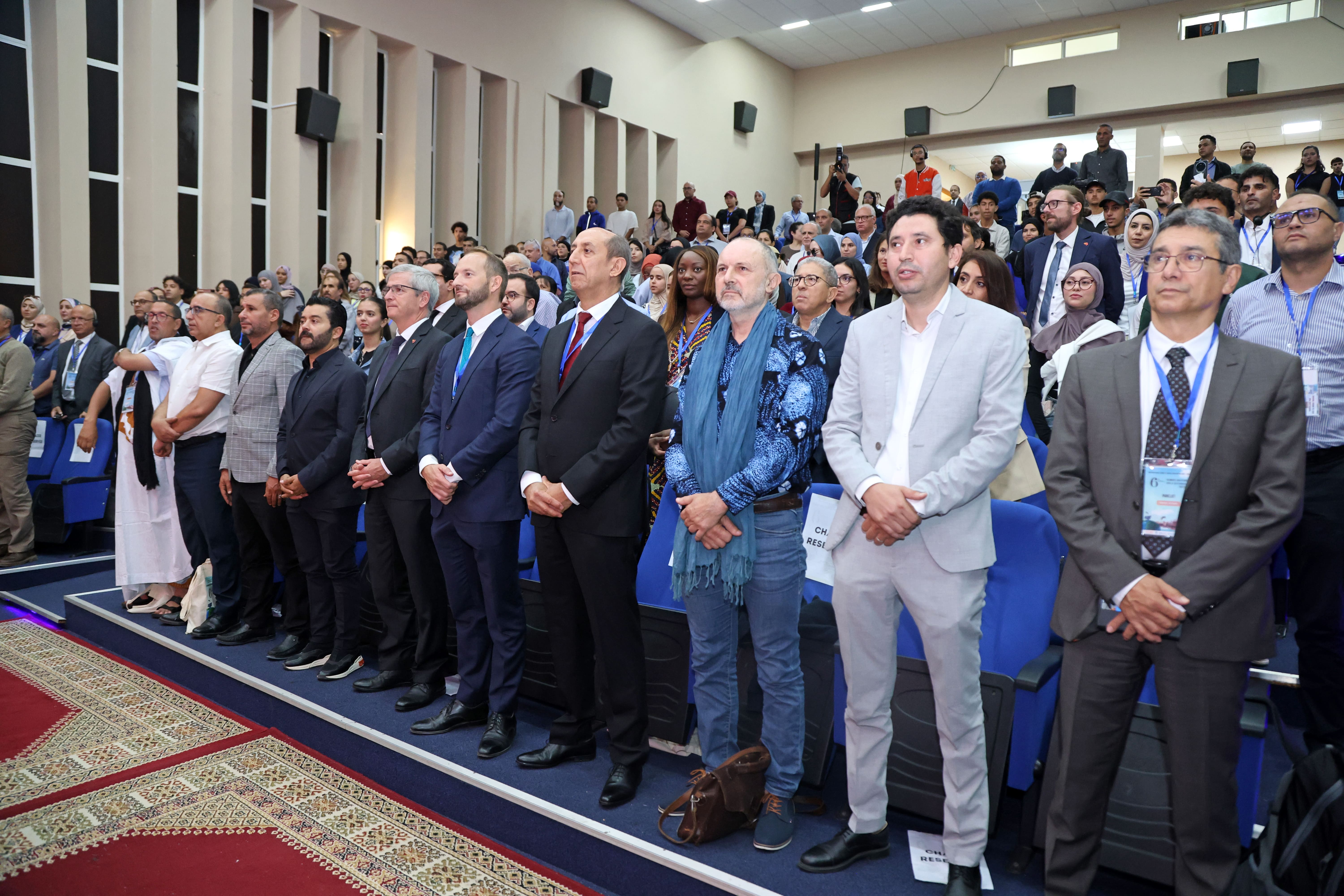
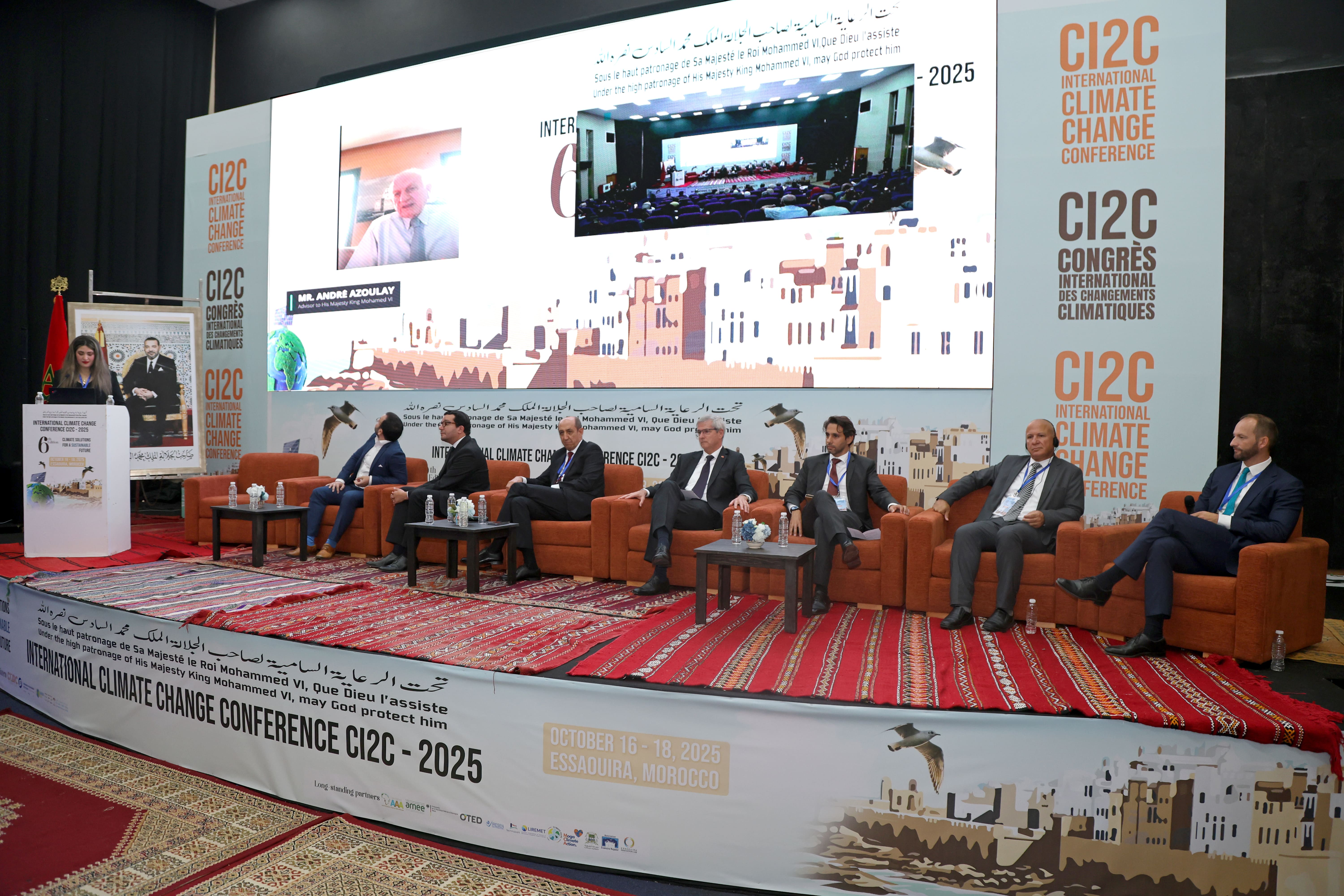
The 6th edition of the International Climate Change Conference (CI2C-2025), held under the High Patronage of His Majesty King Mohammed VI, may God assist Him, has established itself as a leading international scientific platform for climate action. Focused on solutions for a sustainable future, it gathered over 400 researchers, experts, and decision-makers from 15 countries, spanning disciplines from climate science to public policy. This strong mobilisation reflects CI2C's growing maturity, international influence, and role in structuring dialogue and co-constructing actionable solutions.
The 5th edition marked a strategic turning point by placing decarbonisation at the core of discussions, generating concrete commitments for carbon neutrality, fostering strategic partnerships in the Essaouira region, and leading to a Springer Nature publication.
Building on this momentum, the 7th edition adopts a fully integrated approach structured around the five pillars of climate action: mitigation, adaptation, loss and damage, resilience, and climate finance—aligning with global priorities while reinforcing territorial impact.
To support the emergence of operational solutions, the Congress will feature thematic sessions covering key areas: climate science; ecosystems and natural resources; climate–society interactions (health, food security, migration, tourism); energy transition and policies; and innovation drivers, including artificial intelligence and entrepreneurship.
Hosted in Essaouira, Morocco, CI2C 2026 serves as a platform for dialogue, partnerships, and innovation, fostering collaboration between Africa, the Mediterranean region, and the Middle East to develop concrete solutions for a sustainable future.
Cello artist: Mr Imad Essaouissi
The argan tree (Argania spinosa L. Skeels), endemic to Morocco and recognized by UNESCO, is a key component of ecosystems in the Province of Essaouira. However, this forest is increasingly affected by climate change and human pressures, leading to progressive degradation. Monitoring tree density at a large scale is therefore essential for sustainable management.
An integrated approach combining high-resolution aerial imagery, manual annotation, and a deep learning model (YOLOv8 Nano) was applied. A total of 1,000 images (0.0655 km² each) were collected across the province, of which 56% contained argan trees and were annotated. The trained model was then applied to 102 forest units. Field validation was conducted in 6 forests, using 10 plots per site.
The model achieved a mAP@50 of 0.72, with precision 0.74 and recall 0.68. Estimated tree densities were generally consistent with field data across different density classes (low, medium, high), indicating the potential of the approach for operational argan tree density mapping.
This study highlights the effectiveness of combining remote sensing and artificial intelligence for large-scale monitoring of argan tree density. The approach provides a reliable tool to support conservation and sustainable management of argan ecosystems.
Accurate estimation of aboveground carbon stocks in Mediterranean reforested forest stands is essential for supporting sustainable forest management, conserving vulnerable ecosystems, improving national greenhouse gas inventories, and contributing to the implementation of the Paris Agreement. However, conventional forest inventories are costly, labor-intensive, and spatially limited, making them insufficient for capturing the spatial variability of aboveground biomass (AGB) across large forest landscapes. This study presents a reproducible and integrated methodological framework that combines multi-source remote sensing data and machine learning techniques to estimate and map aboveground carbon stocks. The proposed approach integrates optical (Sentinel-2), radar, and satellite LiDAR observations with forest inventory plots and implements a stacking ensemble learning strategy based on several machine learning algorithms following a rigorous predictor selection procedure to improve estimation accuracy and model robustness. The originality of the framework lies in replacing the generic IPCC biomass-to-carbon conversion factor with a species-specific carbon fraction experimentally determined through laboratory analysis, thereby enhancing the reliability of carbon stock estimates. Furthermore, high-resolution carbon stock maps are produced together with an uncertainty assessment based on Monte Carlo simulations, providing a robust evaluation of estimation confidence. This standardized, transferable, and operational framework offers an effective solution for large-scale monitoring of forest carbon sinks and provides valuable support for carbon accounting, sustainable forest management, and climate change mitigation strategies in Mediterranean ecosystems.
Accurate evapotranspiration (ET) prediction is fundamental for sustainable water resources management, irrigation planning, and climate change adaptation. In recent years, machine learning (ML) techniques have gained increasing attention as efficient alternatives to conventional empirical and physically based methods for ET estimation, due to their ability to model complex nonlinear relationships among hydroclimatic variables. This review synthesizes the latest advances in ML applications for ET prediction and evaluates their potential contributions to water resources management. Recent studies indicate that algorithms such as Random Forest (RF), Support Vector Machine (SVM), Artificial Neural Networks (ANN), Extreme Gradient Boosting (XGBoost), and deep learning architectures frequently outperform traditional methods, particularly in arid and semi-arid regions and under limited data availability. Emerging research also highlights the growing use of remote sensing products, reanalysis datasets, and hybrid optimization techniques to improve prediction accuracy at multiple spatial and temporal scales. Furthermore, ML-driven ET forecasting has shown strong potential for supporting irrigation scheduling, drought monitoring, reservoir operation, and integrated water allocation strategies. However, important challenges remain, including model interpretability, transferability across climatic regions, uncertainty quantification, and data scarcity in developing countries. The review also discusses recent progress in explainable artificial intelligence, hybrid physical-data-driven modeling, and ensemble learning approaches designed to overcome these limitations. Overall, current evidence confirms that ML-based ET prediction represents a promising pathway toward more adaptive and efficient water management systems under increasing climate variability and water stress. Future research should focus on operational implementation, robust benchmarking frameworks, and integration with decision support tools for real-world applications.
Keywords: Evapotranspiration; Machine Learning; Water Resources Management; Climate Change; Drought Monitoring; Remote Sensing.
Meryem Ghanem¹˒⁴, Saloua Bensiali², Tarik Benabdelouahab³, Hafsa Houmairi⁴, SanaeKrimi Bencheqroun¹
¹ Plant Protection Laboratory, Regional Agricultural Research Center of Settat, National Institute of Agricultural Research (INRA), Avenue Ennasr, P.O. Box 415, Rabat Principale 10090, Rabat, Morocco.
² Department of Applied Statistics and Computer Science, Hassan II Institute of Agronomy and Veterinary Medicine (IAV Hassan II), Rabat 10101, Morocco.
³ National Institute of Agricultural Research (INRA), Avenue Ennasr, P.O. Box 415, Rabat Principale 10090, Rabat, Morocco.
⁴ Agri-Food and Health Laboratory, Faculty of Sciences and Technology, Hassan First University, Settat, Morocco.
Email :meryem.ghanem@gmail.com
Conference Theme:
Option 1 – Theme 3:Agriculture, Food Security and Climate (Climate-Resilient and Climate-Smart Agriculture)
or
Option 2 – Theme 1:Climate Science, Big Data and Artificial Intelligence (Climate Risks and Early Warning Systems)
Keywords:Phytophthora infestans; epidemiological models; climate change; machine learning; decision support system.
Type of Presentation: Oral presentation (on-site).
Abstract
Potato late blight, caused by Phytophthora infestans, remains one of the most destructive diseases affecting potato production worldwide. Without timely and effective fungicide protection, the disease can cause severe yield losses, oftenleading to complete crop failure. To optimize disease management and reduce reliance on chemicaltreatments, several epidemiological forecasting models have been developed over recent decades, with Smith, Wallin, Blitecast, Winstel, Irish Rules, NegFry, Forsund, and Litschmannbeing the most widely used. However, because these reference models were originally developed forhumid, temperate climates, their applicability under semi-arid conditions, where climate change is driving heightened weather variability, has not yet been evaluated, particularly in regions like Morocco.
This study investigates the transferability and predictive performance of these eight reference models under Moroccan agroclimatic conditions to identify forecasting approaches suitable for local potato production systems. A field experiment was conducted during the 2025–2026 growing season in Berrechid (Casablanca–Settat, Morocco) using four potato cultivars exhibiting contrasting levels of susceptibility to late blight. Microclimate data (air temperature, hourly relative humidity, and rainfall) were monitored continuously on-site, anddisease progressionwas assessed according to the EPPO protocol. The selected forecasting models are evaluated against this field data using appropriate statistical performance indicators.
This work represents the foundational step of a broader research program dedicated to developing a hybrid decision support system (DSS) that integrates epidemiological forecasting models with machine learning algorithms. The proposed framework is expected to provide more accurate and robust disease predictions tailored to Moroccan environmental conditions, thereby promoting sustainable crop protection and enhancing agricultural resilience under a changing climate.
Climate change, rapid urbanization, and sea-level rise are increasingly intensifying flood susceptibility in coastal areas such as Essaouira, Morocco. This study develops an integrated GIS, remote sensing, and machine learning framework to identify flood-prone zones and support evidence-based flood risk management. A cleaned dataset of 1,529 georeferenced flood and non-flood points was prepared and divided into training, validation, and testing subsets. The analysis incorporated key flood-conditioning factors representing topographic, hydrological, climatic, coastal, and land-use conditions, including elevation, slope, aspect, land use/land cover, TWI, TPI, SPI, plan and profile curvature, distance to rivers, distance from the coastline, precipitation, and temperature. Two machine learning models were applied and compared: Random Forest and Artificial Neural Network. Random Forest achieved the highest predictive performance, with a test accuracy of 95.1% and an AUC of 0.983, demonstrating its strong capacity to model nonlinear relationships and identify the most influential flood-related variables. The ANN model also showed robust performance, reaching 92.0% accuracy and an AUC of 0.962, confirming its ability to capture complex spatial interactions between environmental and climatic factors. The resulting susceptibility maps indicate that the most flood-prone areas are mainly concentrated in low-lying coastal plains, zones close to rivers and temporary wadis, and rapidly urbanizing sectors where impervious surfaces increase runoff and reduce infiltration. These findings reflect the local conditions of Essaouira, where coastal exposure, low elevation, rainfall variability, drainage characteristics, temperature-related climatic conditions, and land-use changes collectively contribute to flood vulnerability. Overall, this study demonstrates that combining GIS, remote sensing, RF, and ANN provides a reliable and transferable decision-support approach for flood susceptibility mapping, urban planning, disaster risk reduction, and climate adaptation in vulnerable coastal environments.
Keywords: Flood susceptibility, Artificial Intelligence, GIS, Machine learning, Remote Sensing, Essaouira.
Introduction/Objectifs : Face au changement climatique, cette étude explore la plasticité du venin d’Androctonus mauritanicus en réponse à deux facteurs de stress : la température et la nature de la proie. L'objectif est de déterminer comment l'interaction entre le régime alimentaire (cloportes à cuticule dure vs vers de farine à cuticule souple) et les conditions thermiques module le profil biochimique du venin.
Méthodologie : Des spécimens ont été soumis à des gradients de température et à des régimes spécifiques contrôlés. Les venins, extraits par stimulation électrique, ont été analysés par spectrométrie de masse MALDI-TOF afin de comparer les empreintes protéomiques et la variabilité des pics peptidiques (m/z).
Résultats : Les spectres MALDI-TOF révèlent des variations significatives, avec l’apparition ou la disparition de peptides spécifiques. L’hypothèse suggère qu’une température élevée, combinée à une proie résistante (cloporte), induit une complexification du cocktail moléculaire pour optimiser la prédation, augmentant potentiellement la toxicité pour l'homme.
Conclusion : Ces résultats démontrent la haute réactivité biochimique d’A. mauritanicus aux changements environnementaux. Cette variabilité souligne la nécessité d'adapter les futurs protocoles de fabrication d'antidotes aux profils de toxicité émergents liés au changement global.
Background: Zoonotic Cutaneous leishmaniasis (ZCL) is one of the most widespread neglected tropical diseases in Morocco, with substantial epidemiological shifts observed over the past three decades, including a geographic expansion to previously unaffected provinces. Leishmania major, the etiological agent of ZCL, is transmitted by Phlebotomus papatasi and predominantly affects semi-arid and pre-Saharan regions. The main reservoirs are rodents, especially Meriones shawi. This study aimed to investigate the spatio-temporal dynamics of ZCL incidence while analyzing the influence of climatic factors on disease occurrence across the most endemic Moroccan provinces.
Methods: The spatial analysis concerns the nine most-impacted semi-arid and pre-Saharan provinces, covering the period from 2009 to 2022. Epidemiological data on ZCL cases were obtained from annual reports issued by the Moroccan Directorate of Epidemiology and Disease Control (DELM). Climatic variables, including minimum, maximum, and mean temperature, precipitation, relative humidity, and wind speed, were extracted from the NASA POWER database. Vegetation intensity was assessed using the normalized difference vegetation index (NDVI), derived from Landsat satellite imagery by the United States Geological Survey (USGS). Statistical analyses were performed using Python software, while geographic distribution patterns were explored through GIS mapping. Results: The findings suggest that the correlation between the number of ZCL cases and minimum temperature and humidity is positive and statistically significant for Southeastern provinces such as Zagora, Errachidia, and Ouarzazate, while the number of ZCL cases lags the precipitation and NDVI by 6 months. The zoonotic cutaneous leishmaniasis seasonal dynamic appears to be controlled strongly by minimum temperatures and presents a 6-month lag between the reported infection date and the presumed date when the infection actually occurred. The decadal increase in the number of ZCL infections in the studied area suggests that changes in climate increased minimum temperatures sufficiently and created conditions suitable for endemicity that did not previously exist. Spatial analysis identifies southeastern Morocco as a high-risk area sensitive to climate and environmental drivers.
Conclusion: This study underscores the critical role of climatic factors, particularly minimum temperature and humidity, in modulating ZCL dynamics in Morocco. The pronounced vulnerability of southeastern provinces highlights the need for climate-informed surveillance and targeted control strategies. Integrating environmental data into predictive models could significantly enhance early warning systems and public health interventions.
Keywords: Zoonotic cutaneous leishmaniasis, Climate variability, Epidemiology, GIS, Morocco, Risk factors
Background. Type 2 diabetes (T2D) and climate change represent two converging major crises, particularly acute in countries such as Morocco, classified as a climate vulnerability hotspot by the IPCC (Pörtner et al., 2022).
Objectives. To synthesize pathophysiological mechanisms linking climate exposures to T2D, analyse Moroccan territorial vulnerabilities, and formulate public health recommendations.
Methods. Narrative review (2015–2024) using PubMed, Scopus, Web of Science, WHO, IPCC and HCP Morocco.
Results. Five mechanisms are identified: thermal stress and insulin resistance; dehydration and vasopressin hypersecretion; air pollution and systemic inflammation; food insecurity and behavioural changes; environmental endocrine disruptors. National T2D prevalence stands at 10.6% (HCP, 2018) amid profound climatic and territorial disparities.
Conclusion. A critical scientific gap persists regarding Maghrebi contexts. Operational recommendations are proposed at three levels: clinical, systemic and political.
Background. Climate change increasingly threatens human health through heatwaves, droughts, floods, and declining air quality. Older adults face disproportionate risk because physiological aging, chronic disease burden, and social disadvantage reduce adaptive capacity. Evidence on this issue remains geographically uneven, and the Middle East and North Africa (MENA) region — where rapid urbanization, recurrent heat extremes, and demographic aging intersect — has received comparatively limited synthesis. Objectives. This review synthesizes current knowledge on the direct and indirect health impacts of climate change on older adults, examines how vulnerability results from the interaction of physiological frailty, structural inequality, and risk perception, and evaluates which forms of adaptation appear operationally effective. Morocco is used throughout as an illustrative national context within the broader MENA reading. Methods. A narrative synthesis was conducted, informed by SANRA reporting principles, using PubMed/MEDLINE, Scopus, Web of Science, Google Scholar, and selected institutional reports (WHO, IPCC). English- and French-language publications from 2010–2025 addressing older adults and at least one climate-health analytical axis were eligible. A total of 34 sources met inclusion criteria. Results. Vulnerability among older adults is cumulative rather than purely biomedical: direct thermoregulatory decline interacts with housing conditions, poverty, isolation, and unequal access to care. Adaptation is most effective when targeted, repeated, and embedded in local health and social systems rather than symbolic or generic. Risk perception among older adults is frequently misaligned with objective exposure, which weakens the translation of warnings into protective behavior. Conclusions. Climate-health research on aging populations should move toward integrated frameworks that combine physiological, structural, and perceptual dimensions of vulnerability. Age-sensitive adaptation, grounded in local delivery mechanisms rather than declarative policy alone, is required to reduce the growing health burden of climate change among older populations, particularly in the MENA region.
Background: Cutaneous leishmaniasis remains a public health concern in endemic areas of Morocco. Understanding its local epidemiological characteristics is essential for adapting surveillance and prevention. This study examined the presentation and distribution of suspected cases in an endemic Moroccan setting.
Methods: A retrospective observational study was conducted using routinely collected health records complemented by field information. Sociodemographic, clinical and contextual characteristics were examined through descriptive and analytical approaches. Analyses explored the geographical and temporal distribution of reported cases and associations with parasitological positivity among patients investigated for suspected cutaneous leishmaniasis.
Results: The study identified geographical and temporal variation in reported cases, alongside a diversity of clinical and sociodemographic profiles. Associations were observed between selected contextual characteristics and parasitological positivity, highlighting the relevance of local conditions when interpreting surveillance data. These findings concern the population of suspected cases investigated and do not constitute estimates of disease risk in the general population.
Conclusion: The findings support locally adapted surveillance that considers clinical, social and territorial dimensions together. Strengthening the use of routine health information and coordination between diagnostic services and prevention activities may help guide public health action in endemic settings.
Keywords: Cutaneous leishmaniasis; epidemiological surveillance; public health; Morocco.
This study addresses the critical issue of municipal solid waste management in coastal cities of developing countries, using the Essaouira landfill (Morocco) as a case study. A quadrat-based sampling methodology combined with statistical analysis was applied to characterize the spatial distribution and composition of municipal solid waste within the landfill.
The study area was subdivided into three zones (East, Central, and West) reflecting different stages of waste deposition. A total of 40 randomly distributed quadrats (1 m × 1 m) were sampled, with standardized 20 kg subsamples collected and manually sorted into predefined waste categories.
Descriptive statistics and inferential tests (ANOVA and Kruskal–Wallis at α = 0.05) were used to assess spatial variability. Results reveal that organic waste, plastics, glass, and textiles dominate the waste stream, with significant spatial heterogeneity observed across landfill zones for most fractions. In contrast, plastic waste shows a relatively homogeneous distribution. The Eastern zone, corresponding to recent waste deposits, was used to extrapolate the composition of municipal waste in 2025, highlighting a predominance of biodegradable and recyclable materials.
These findings demonstrate a strong potential for waste valorization through composting and recycling strategies. Moreover, the study emphasizes the importance of spatially explicit characterization methods to support data-driven decision-making in landfill management. The proposed methodological framework provides a transferable approach for similar uncontrolled landfill contexts in developing countries.
Research Problem
Over the past decade, climate risk has moved from the periphery of financial analysis to its very core. Recent studies increasingly recognize climate-related hazards as a source of systemic financial risk capable of affecting asset valuation, financial stability, and investment decisions (Campiglio et al., 2022; Giglio, Kelly & Stroebel, 2021). However, the literature has focused predominantly on transition risk, associated with regulatory, technological, and behavioral changes accompanying the transition to a low-carbon economy, while physical climate risk has received comparatively less attention (Venturini, 2021).
Among physical climate risks, drought represents a particularly important challenge for economies highly dependent on water resources. Nevertheless, research examining how financial markets price drought risk remains limited and is concentrated primarily on developed economies. This gap is even more pronounced in emerging and frontier markets, where climate-related information transmission mechanisms remain poorly understood and empirical evidence suggests that climate risk is often only partially incorporated into asset prices (Adediran, Salisu & Oloko, 2023; Saqib et al., 2024). Morocco provides a relevant setting for investigating this issue. Ranked among the Mediterranean countries most vulnerable to water stress, Morocco experienced between 2019 and 2024 one of the longest drought episodes in its recent history. Available projections indicate substantial long-term economic consequences, particularly for growth, agriculture, and financial stability (Schilling et al., 2020; Hamdi et al., 2025). Although recent studies have begun to examine the macro-financial implications of climate risk in Morocco (El Khlifi et al., 2026), no study, to our knowledge, has investigated whether and how investors on the Casablanca Stock Exchange incorporate drought-related information into asset valuation and investment decisions.
Beyond the Moroccan case, this issue contributes to a broader debate concerning market efficiency in the presence of physical climate risks. Do investors incorporate such risks prospectively, or do they react only after their economic consequences become observable?
Accordingly, the central research question of this study is:
To what extent does the Moroccan stock market incorporate information related to physical climate risk, particularly drought episodes?
Theoretical Framework
Climate risk refers to the set of financial risks associated with climate change. The literature generally distinguishes between physical risk, arising directly from climate-related hazards, and transition risk, stemming from economic transformations induced by climate policies, technological innovation, and changes in market behavior (TCFD, 2017). This study focuses on physical climate risk, specifically drought, whose economic implications are particularly significant in the Moroccan context. Despite growing interest in climate-related issues, the literature devoted to the financial pricing of physical risks remains relatively limited compared with research on carbon emissions and climate policies (Bolton et al., 2020).
Asset pricing theory provides a first analytical framework. Extending multifactor asset pricing models such as Fama and French (1993), climate risk can be interpreted as a systematic risk factor affecting expected returns. Several studies suggest that financial markets may require a risk premium associated with firms’ climate exposure, although empirical findings remain mixed (Bolton & Kacperczyk, 2021; Duan et al., 2023).
The Efficient Market Hypothesis (Fama, 1970) offers a second key framework for interpretation. If markets are efficient, all relevant information regarding drought conditions should be rapidly incorporated into asset prices. However, this assumption may not hold when climate information is incomplete, difficult to interpret, or insufficiently disclosed (Ameli et al., 2019; Saqib et al., 2024).
Behavioral finance provides additional insights. Several studies show that investors respond to climate-related information beyond its direct impact on economic fundamentals due to cognitive biases, limited attention, and loss aversion (Kahneman & Tversky, 1979; Peillex et al., 2021; He et al., 2021). Such mechanisms may generate asymmetric market responses to drought episodes.
Finally, the Adaptive Markets Hypothesis (Lo, 2004) offers a particularly relevant perspective for emerging markets. According to this framework, market efficiency is not a static condition but an evolving process shaped by learning, adaptation, and improvements in information quality.
Methodology
The study will combine financial and climate data covering the period 2010–2025, subject to data availability.
Financial data will be obtained from the Casablanca Stock Exchange and will include returns on the MASI, MASI 20, and major sectoral indices. Climate-related variables will be constructed using the Standardized Precipitation-Evapotranspiration Index (SPEI), supplemented by precipitation, temperature, and dam reservoir filling rates. The latter represents a particularly relevant indicator of water stress in the Moroccan context. Climate data will be collected from the Moroccan Meteorological Service, CHIRPS, and the Copernicus Climate Data Store.
The primary dependent variable will be stock market returns. Return volatility will serve as a complementary measure of market risk. Climate-related explanatory variables will include SPEI, precipitation, and dam reservoir levels. Control variables such as oil prices, exchange rates, and market liquidity indicators will also be incorporated.
To address the first research question, the study will estimate the impact of drought conditions on stock returns and volatility using econometric models suitable for financial time series. GARCH, EGARCH, and TGARCH specifications will be employed to identify potential asymmetric effects of climate shocks on volatility, following recent studies in the literature (Huynh et al., 2020; Feria-Domínguez et al., 2020; Wu et al., 2024).
To address the second research question, the study will adopt a dynamic framework based on Vector Autoregressive (VAR) models. Granger causality tests and impulse response functions will be used to evaluate the timing of market responses to climate-related information. Market reactions occurring before the full economic consequences of drought become observable will be interpreted as evidence of anticipation, whereas responses occurring primarily afterward will indicate a more reactive than anticipatory adjustment process (Albanese et al., 2025; Muddasir, 2022).
Expected Contributions
This study contributes to the climate finance literature by examining the pricing of drought risk, a relatively underexplored dimension of physical climate risk. It also provides novel evidence from Morocco, a highly water-stressed frontier market where the integration of climate-related information into asset prices remains largely unexplored. Finally, by investigating whether investors anticipate or merely react to drought conditions, the study contributes to the broader debate on market efficiency in the presence of physical climate risks.
Is Cashless Always Greener? Payment Digitalization and Sustainable Finance in Morocco
Selected thematic area: Management, Entrepreneurship and Sustainable Finance
Authors :
Leila Benslimane, Université Cadi Ayyad FSJES Marrakech a.leilabenslimane@gmail.com
Dr. Abdessamad Ejjiar, Université Cadi Ayyad FSJES Marrakech abdessamad.ejjiar@gmail.com
Pr. KARTOBI Salah Eddine, Université Cadi Ayyad FSJES Marrakech se.kartobi@uca.ac.ma
Abstract :
The digitalization of payments is transforming financial systems by changing how transactions are conducted, processed and governed. In Morocco, access to financial accounts and the use of digital payments have increased, supported by the expansion of payment infrastructure and mobile financial services. Nevertheless, cash remains deeply embedded in economic activity, raising questions about whether the development of digital payments is producing an effective transition towards a more sustainable financial system. Bank Al-Maghrib’s recent reports confirm the simultaneous importance of currency circulation and cashless payment instruments, while World Bank data indicate that account ownership and digital-payment use have progressed in recent years (Bank Al-Maghrib, 2025; World Bank, 2023).
This study examines the conditions under which payment digitalization may contribute to sustainable finance in Morocco, with particular emphasis on environmental performance, economic efficiency and social accessibility. The analysis is grounded in two-sided market theory, which views payment systems as platforms whose effective development depends on the joint participation of consumers and merchants (Rochet & Tirole, 2003). This framework explains why the number of cards or payment terminals does not necessarily reflect their effective use. The study also draws on the life-cycle approach, which evaluates the environmental impacts associated with the production, operation and end-of-life stages of payment instruments.
Cash payments require banknote and coin production, transportation, automated teller machines, processing and replacement. Digital payments depend on cards, terminals, telecommunication networks, data-processing infrastructure, electricity and electronic equipment. Previous life-cycle assessments demonstrate that the environmental balance between these instruments depends not only on the payment medium itself but also on infrastructure utilization, energy sources, equipment lifespan and transaction volumes (Lindgreen et al., 2018; Hanegraaf et al., 2020). ). A recent comparative assessment conducted for three European countries similarly highlights the importance of national infrastructure and usage conditions in determining the relative environmental performance of payment instruments (Oxford Economics, 2024). A separate empirical literature has examined the relationship between financial inclusion and carbon emissions in Africa and the MENA region, with findings suggesting that the environmental effects of financial development vary across countries and forms of financial access (Adeneye et al., 2023; Said & Acheampong, 2024).
The empirical analysis will use secondary data from Bank Al-Maghrib, national payment statistics and international databases. It will examine the evolution of currency circulation, card payments, cash withdrawals, electronic transactions, payment infrastructure, financial inclusion and selected macroeconomic, technological and energy indicators. The methodology will combine descriptive analysis, payment-use indicators and scenario analysis to assess the environmental implications of different patterns of digital-payment adoption and infrastructure utilization.
The study will investigate whether payment digitalization reduces the environmental burden associated with cash management or adds a parallel technological infrastructure whose energy and material requirements limit the expected gains. The analysis will also consider the economic benefits associated with transaction efficiency and the social implications of digital access, while accounting for the importance of cybersecurity, data protection, payment resilience and continued access to cash.
The expected contribution is to provide an integrated framework for evaluating payment digitalization as a component of sustainable finance. The findings may assist public authorities, financial institutions and payment operators in identifying the policy conditions required to reconcile environmental performance, infrastructure efficiency, financial inclusion and payment-system resilience in Morocco.
Keywords: Digital payments; sustainable finance; carbon footprint; financial inclusion; Morocco
References :
Adeneye, Y. B., Jaaffar, A. H., Ooi, C. A., & Ooi, S. K. (2023). Does financial inclusion spur CO₂ emissions? The marginal effects of financial sustainability. IIMBG Journal of Sustainable Business and Innovation, 1(2), 77–93.
Bank Al-Maghrib. (2025). Annual report 2024.
Hanegraaf, R., Larçin, A., Jonker, N., Mandley, S., & Miedema, J. (2020). Life cycle assessment of cash payments in the Netherlands. The International Journal of Life Cycle Assessment, 25, 120–140. https://doi.org/10.1007/s11367-019-01637-3
Lindgreen, E. R., van Schendel, M., Jonker, N., Kloek, J., de Graaff, L., & Davidson, M. (2018). Evaluating the environmental impact of debit card payments. The International Journal of Life Cycle Assessment, 23, 1847–1861. https://doi.org/10.1007/s11367-017-1403-6
Oxford Economics. (2024). The environmental impact of digital over cash payments in Europe. European Digital Payments Industry Alliance.
Rochet, J.-C., & Tirole, J. (2003). Platform competition in two-sided markets. Journal of the European Economic Association, 1(4), 990–1029. https://doi.org/10.1162/154247603322493212
Said, R., & Acheampong, A. O. (2024). Achieving carbon-neutrality in MENA countries: Does financial inclusion matter? Journal of Environment & Development. https://doi.org/10.1177/10704965231225780
Schmiedel, H., Kostova, G., & Ruttenberg, W. (2012). The social and private costs of retail payment instruments: A European perspective (Occasional Paper Series No. 137). European Central Bank.
World Bank. (2023, April 3). World Bank continues to support Morocco’s financial and digital inclusion reforms.
Face à l'intensification des changements climatiques, les entreprises sont confrontées à des risques environnementaux, économiques et réglementaires qui remettent en question leur capacité à maintenir leurs activités dans un contexte marqué par une forte incertitude. La résilience climatique apparaît ainsi comme une compétence stratégique permettant aux organisations d'anticiper, d'absorber et de s'adapter aux perturbations liées au climat tout en assurant leur performance à long terme. Dans cette perspective, la finance verte constitue un levier majeur pour accompagner la transition vers des modèles économiques plus durables en facilitant le financement de projets à faible impact environnemental et en stimulant les investissements responsables.
Malgré l'intérêt croissant accordé à la finance verte, les recherches restent encore fragmentées quant aux mécanismes par lesquels celle-ci contribue au renforcement de la résilience climatique des entreprises, notamment dans les économies émergentes. Les travaux existants se concentrent principalement sur les effets de la finance verte sur la performance environnementale ou financière, alors que le rôle des investissements verts et de l'innovation verte dans la construction de la résilience organisationnelle demeure insuffisamment exploré. Cette lacune est particulièrement marquée dans le contexte marocain, où les entreprises sont appelées à accompagner les objectifs nationaux de transition écologique et de neutralité carbone.
S'appuyant sur la Natural Resource-Based View (NRBV) et la théorie des capacités dynamiques (Dynamic Capabilities Theory), cette communication propose un modèle conceptuel expliquant les mécanismes par lesquels la finance verte favorise la résilience climatique des entreprises. Le modèle considère la finance verte comme variable explicative, les investissements verts et l'innovation verte comme variables médiatrices successives, et la résilience climatique comme variable dépendante. Il repose sur l'hypothèse que l'accès aux financements verts stimule les investissements environnementaux, lesquels favorisent le développement d'innovations vertes capables de renforcer la capacité d'adaptation, d'absorption et de transformation des entreprises face aux risques climatiques.
Cette recherche adopte une démarche conceptuelle fondée sur une revue critique et intégrative de la littérature scientifique internationale issue des bases Scopus. Les principaux travaux portant sur la finance verte, les investissements verts, l'innovation verte et la résilience climatique seront mobilisés afin de construire un cadre conceptuel cohérent et de formuler un ensemble d'hypothèses de recherche. Ce modèle constitue une première étape avant une validation empirique future auprès des entreprises marocaines à l'aide de la modélisation par équations structurelles (PLS-SEM).
Les résultats attendus mettent en évidence que la finance verte ne constitue pas uniquement une source de financement des projets environnementaux, mais un véritable catalyseur de la résilience climatique des entreprises à travers le développement des investissements verts et des capacités d'innovation. Le modèle proposé permet également d'identifier les principaux mécanismes organisationnels susceptibles d'accélérer la transition écologique des entreprises dans un contexte de changement climatique.
Cette recherche contribue à enrichir la littérature en proposant un cadre conceptuel intégrateur reliant quatre concepts encore rarement étudiés conjointement. Sur le plan managérial, elle fournit des orientations utiles aux dirigeants, aux établissements financiers et aux décideurs publics pour promouvoir des politiques de financement favorisant une économie plus résiliente, compétitive et durable.
Mots-clés
Finance verte ; Investissements verts ; Innovation verte ; Résilience climatique ; Entreprises marocaines.
Cette recherche s'inscrit à l'intersection de la théorie de la finance environnementale et de l'économie du changement climatique. Elle mobilise le cadre analytique de la relation finance-environnement, en s'appuyant sur l'hypothèse selon laquelle l'orientation des flux financiers vers des investissements verts peut induire une réduction de l'intensité carbone des économies, sous réserve de conditions institutionnelles favorables.
Problématique
La finance verte constitue-t-elle un levier effectif de décarbonation dans les économies émergentes africaines, ou son impact reste-t-il marginal faute d'un cadre institutionnel et réglementaire adapté ?
Méthodologie
À partir d'un panel de 20 pays africains sur la période 2010–2023, cette étude mobilise un modèle économétrique à effets fixes et aléatoires, dont le choix est arbitré par le test de Hausman. Afin de contrôler l'endogénéité potentielle des variables financières, un estimateur GMM en différences premières est appliqué. Les variables explicatives comprennent les flux de finance climatique, la part des énergies renouvelables dans le mix énergétique, le niveau de développement économique et la qualité du cadre réglementaire national. La variable dépendante retenue est l'intensité carbone, mesurée par les émissions de CO₂ par unité de PIB. Les données sont issues de bases internationales ouvertes et librement accessibles.
Éléments de discussion
Cette étude contribue à combler un vide analytique dans la littérature, qui se concentre majoritairement sur les économies développées et la Chine. Elle offre des recommandations concrètes pour les décideurs et régulateurs des pays du Sud, dans le prolongement des engagements pris lors des COP29 et COP30 en matière de triplement des financements climatiques en faveur des pays en développement d'ici 2035.
Mots-clés :finance verte · obligations vertes · intensité carbone · économies émergentes africaines · données de panel · GMM · transition énergétique · Maroc.
Axe thématique : Management, Entrepreneurship and Sustainable Finance (Management, entrepreneuriat et finance durable)
Mots-clés : Risques climatiques ; Business model bancaire ; Capacités dynamiques ; Pressions institutionnelles ; Analyse bibliométrique
1. Problématique de recherche : Le changement climatique constitue désormais un facteur majeur de transformation des économies et des systèmes financiers. Les risques physiques, associés aux événements climatiques extrêmes et aux évolutions chroniques du climat, ainsi que les risques de transition, liés notamment aux évolutions réglementaires, technologiques et de marché, exposent les institutions financières à de nouvelles sources de vulnérabilité. Dans le secteur bancaire, ces risques se transmettent principalement à travers les catégories traditionnelles de risques, notamment de crédit, de marché, de liquidité et opérationnels. Au-delà de leurs effets prudentiels, ils sont également susceptibles d’affecter la stratégie, la gouvernance, l’allocation du crédit et du capital, la composition des portefeuilles, les politiques sectorielles, les offres de financement et, plus largement, les mécanismes de création de valeur. La littérature consacrée aux relations entre risques climatiques et secteur bancaire connaît un développement croissant, mais demeure fragmentée entre plusieurs champs : stabilité financière, gestion des risques, financement bancaire, finance durable, réglementation prudentielle, performance et stratégies de transition. Si certains travaux abordent explicitement l’adaptation du business model bancaire, ses différentes composantes sont plus fréquemment étudiées séparément. Cette fragmentation conduit à poser la question suivante : par quels mécanismes les risques climatiques se transmettent-ils à l’activité bancaire et dans quelle mesure l’articulation de ces mécanismes est-elle susceptible de conduire à une transformation du business model des banques ?
2. Cadre théorique : Le cadre théorique mobilise principalement la théorie des capacités dynamiques (Dynamic Capabilities) et la théorie institutionnelle. La première permet d’appréhender la capacité des banques à identifier les transformations de leur environnement, à saisir les opportunités qui en découlent et à reconfigurer leurs ressources, compétences et processus pour y répondre. Elle fournit ainsi une grille de lecture des adaptations organisationnelles et stratégiques susceptibles d’affecter le business model. La théorie institutionnelle permet, quant à elle, d’analyser l’influence des pressions externes, notamment réglementaires, prudentielles et normatives, sur les pratiques et orientations stratégiques des établissements bancaires. L’articulation de ces deux perspectives conduit à appréhender la transformation du business model comme résultant de l’interaction entre pressions institutionnelles externes et capacités internes d’adaptation et de reconfiguration.
3. Méthodologie : Cette recherche s’inscrit dans une démarche articulant une orientation post-positiviste, visant à identifier et structurer les mécanismes de transmission documentés par la littérature, et une perspective interprétativiste, mobilisée pour comprendre et mettre en relation les réponses organisationnelles et stratégiques des banques. Sur le plan méthodologique, l’étude combine une analyse bibliométrique et une analyse qualitative thématique de la littérature. Le corpus scientifique principal repose sur les bases Scopus et Web of Science, à partir desquelles 30 publications centrales ont été sélectionnées selon leur pertinence pour la problématique et leur capacité à documenter les mécanismes de transmission et les réponses bancaires. Ce noyau est enrichi par le réexamen systématique d’un corpus scientifique antérieurement constitué, après contrôle des doublons et de la pertinence scientifique. L’analyse bibliométrique associe une performance analysis et un science mapping des relations entre concepts, références et thématiques, avec l’appui de VOSviewer. Une analyse qualitative approfondie complète cette cartographie afin d’identifier et d’interpréter les mécanismes sous-jacents aux différents courants de recherche. Un corpus institutionnel, réglementaire et prudentiel distinct est également mobilisé afin de contextualiser les résultats.
4. Principaux résultats : L’analyse qualitative des 30 publications centrales fait apparaître quatre grandes familles thématiques complémentaires : la transmission des risques climatiques par le crédit et l’allocation financière (13 publications) ; les réponses organisationnelles, la gouvernance et la stratégie (6) ; la stabilité financière, la résilience et la supervision bancaire (6) ; enfin, la performance, la liquidité et le capital (5). L’analyse croisée de ces travaux fait surtout émerger une chaîne de mécanismes de transmission. Les risques physiques et de transition affectent d’abord les entreprises, les ménages, les actifs et les secteurs financés. Ces effets se transmettent ensuite aux banques à travers la qualité des contreparties et des actifs, le risque de défaut, la tarification, l’offre de crédit et la réallocation des financements, avec des conséquences potentielles sur la liquidité, le capital, la rentabilité et la résilience. En réponse, les banques adaptent leurs dispositifs de gestion des risques et de gouvernance, leurs politiques sectorielles et leurs critères d’octroi, réallouent leurs portefeuilles et développent des financements verts ou de transition. L’accumulation de ces ajustements est susceptible d’affecter progressivement leur proposition de valeur et leurs mécanismes de création de valeur.
5. Éléments clés de discussion : Le principal résultat réside dans le décalage entre la richesse des mécanismes documentés par la littérature et leur faible articulation au niveau du business model bancaire. Les travaux apparaissent particulièrement développés sur certains canaux considérés isolément, notamment le crédit, sa tarification et l’allocation financière, tandis que leurs conséquences organisationnelles et stratégiques sont plus rarement appréhendées conjointement. Le business model apparaît ainsi comme un niveau d’analyse transversal permettant d’articuler des mécanismes jusqu’ici principalement étudiés séparément. L’articulation des deux perspectives théoriques apporte une lecture complémentaire : les pressions institutionnelles peuvent contribuer à déclencher ou accélérer l’adaptation, tandis que les capacités dynamiques permettent d’éclairer la manière dont les banques reconfigurent leurs ressources, leurs processus et leurs choix stratégiques. Le corpus étudié révèle également une représentation limitée de certains contextes africains et méditerranéens, ouvrant la voie à des investigations empiriques dans ces environnements. La contribution de cette recherche consiste ainsi à proposer une lecture intégrée reliant risques climatiques, mécanismes de transmission bancaire, pressions institutionnelles, capacités d’adaptation organisationnelle et transformation stratégique. La transformation du business model est dès lors appréhendée non comme l’effet direct d’un risque climatique, mais comme l’aboutissement progressif d’interactions entre mécanismes de transmission, pressions externes, arbitrages bancaires et capacités internes de reconfiguration. Ce cadre intégrateur constitue la base d’un modèle conceptuel destiné à être confronté ultérieurement à un terrain empirique qualitatif.
The adoption of sustainable finance practices in emerging markets is often constrained less by policy ambition than by technical capacity: financial institutions frequently lack the in-house engineering resources to build custom tools for ESG (Environment, Social, and Governance) monitoring, green lending workflows, or climate-linked compliance, and reliance on foreign cloud-based AI services raises legitimate data sovereignty concerns for sensitive financial and environmental data.
This work presents a sovereign, no-code automation platform in which natural language serves as the primary interface for building financial workflows. Rather than requiring institutions to hire developers or depend on external AI providers, users, including non-technical staff such as compliance officers or credit analysts, describe a task in plain language, and an orchestrated set of AI agents plans, executes, and validates the corresponding automation. The platform is built on a self-hosted infrastructure stack, ensuring that sensitive data does not leave national or institutional boundaries, addressing a growing regulatory and strategic concern across Moroccan and MENA financial institutions.
We illustrate the platform's relevance to green finance through a concrete use case: automating the extraction and structuring of ESG indicators from unstructured financial disclosures using an OCR and retrieval-augmented document intelligence pipeline, built entirely through the platform's natural-language interface rather than custom engineering. This demonstrates how the platform can lower the barrier to deploying climate-aware financial tools without requiring institutions to build AI capacity from scratch.
We argue that this infrastructure-first approach, prioritizing accessibility and data sovereignty over single-purpose AI models, offers a scalable path toward broader adoption of sustainable finance practices in the Global South, and we discuss open challenges around agent reliability, auditability, and governance in regulated financial contexts.
1. Problématique
La littérature en management reconnaît largement que la connaissance, ainsi que sa gestion efficace et efficiente, est essentielle à la performance organisationnelle (Andreeva et Kianto, 2012). Toutefois, la majorité des travaux sur la gestion des connaissances se concentre sur les grandes entreprises, négligeant en grande partie les petites entités, à savoir les PME et les coopératives, bien qu'elles jouent un rôle primordial dans l'économie nationale. Initialement, notre recherche visait à explorer l'influence du transfert de connaissances sur l'innovation spécifiquement dans le contexte des coopératives. Toutefois, il s'est avéré que la littérature traitant simultanément de ces deux dimensions dans le cadre des coopératives demeure limitée. Notre question de recherche principale est : comment le transfert de connaissances influence-t-il l'innovation ?
2. Cadre théorique
Selon Argote et Ingram (2000), le transfert de connaissances dans le contexte organisationnel est défini comme « le processus par lequel une unité (par exemple, un groupe, un département ou une division) est influencée par l'expérience d'une autre ». La connaissance est ainsi ancrée dans trois réservoirs : les membres, les outils (matériel, logiciel et technologie) et les tâches. Ces résultats corroborent particulièrement la théorie de la capacité d'absorption (Cohen et Levinthal, 1990), selon laquelle une entreprise doit posséder les compétences nécessaires pour identifier, assimiler et exploiter les connaissances externes. Ces observations soutiennent également la knowledge-based view en considérant l'organisation comme un système de création et de recombinaison de connaissances. Les savoirs tacites nécessitent une collaboration étroite, une interaction continue et un haut niveau de confiance, tels que conceptualisés par la théorie du capital social (Thomas et Paul, 2019).
3. Méthodologie
Une revue systématique de la littérature a été réalisée. Celle-ci vise à clarifier l'état actuel des connaissances sur le sujet. Le déroulement de cette étude a suivi le schéma des flux du protocole PRISMA, qui se scinde en 4 phases principales. La revue systématique a été conçue pour être appliquée à deux bases de données majeures : Scopus et Web of Science. [...] Le périmètre temporel retenu couvre les dix dernières années, afin de refléter les dynamiques les plus récentes en matière de recherche sur l'innovation et le transfert de connaissances. Seuls les travaux rédigés en anglais ont été inclus, dans la mesure où l'anglais constitue la langue dominante des publications scientifiques internationales. Les études sélectionnées relèvent exclusivement des champs du management et du business.
4. Principaux résultats
Sur le corpus des articles sélectionnés, il s'avère que la littérature consacrée à la relation entre transfert de connaissances et innovation est fortement axée sur le contexte université-entreprise. La majorité des recherches s'intéresse aux mécanismes, aux acteurs impliqués et aux effets de cette coopération sur la dynamique innovante des firmes. L'analyse des articles sélectionnés montre que le transfert de connaissances agit comme un catalyseur de l'innovation en apportant des ressources cognitives et technologiques nouvelles, souvent inaccessibles par les moyens internes des entreprises. La formation formelle agit comme un levier du transfert, en réduisant l'incertitude et les coûts d'adoption des innovations, ce qui améliore les pratiques de gestion et l'innovation (O'Donoghue et Heanue, 2018). La faible capacité d'absorption des entreprises constitue une limite à l'accès aux connaissances plus formelles (Abbate et al., 2021). Contrairement à ces perspectives, les travaux de Simao et Franco (2018) révèlent que les fournisseurs, clients, consultants et laboratoires commerciaux jouent un rôle clé dans l'adoption de pratiques innovantes, contrairement aux universités, concurrents ou centres de recherche, dont l'impact reste marginal. Le transfert de connaissances influence l'innovation à travers un enchaînement de mécanismes d'accès, d'absorption et de recombinaison, eux-mêmes dépendants de la nature des savoirs, des capacités internes de l'entreprise et des dynamiques relationnelles entre partenaires.
5. Éléments de discussion
On constate que les PME et les coopératives ne sont pas beaucoup étudiées dans ce cadre. L'unité d'analyse de la majorité des recherches reste la grande entreprise ou la collaboration université-industrie, faisant ainsi l'impasse sur les dynamiques propres aux petites structures. Cette situation crée une lacune à la fois théorique et empirique, alors même que ces organisations sont reconnues pour leur rôle crucial dans l'économie et présentent un fort potentiel d'innovation.
The energy transition cannot be interpreted solely as a technological replacement or an adjustment of infrastructure to meet decarbonisation targets. It constitutes a social, political and territorial process that redefines relationships of trust, the distribution of costs and benefits, forms of participation and visions of the future. From this perspective, ‘green’ infrastructure is not automatically perceived as a public good, particularly when it is introduced into areas characterised by socio-environmental vulnerabilities, a history of urban decay and institutional mistrust.
This paper analyses the case of the planned biogas plant in East Naples, in the Ponticelli neighbourhood, as part of the activities of Spoke 7 of the NEST project – Network for Energy Sustainable Transition. The plant, intended for the treatment of the organic fraction of municipal waste and the production of biogas, biomethane and digestate, has not yet been built, but has already become a subject of public controversy. Its location in a peripheral area characterised by industrialisation, deindustrialisation, the presence of facilities with a high environmental impact, contaminated sites and social fragility allows us to observe how the energy transition is perceived, discussed and contested in vulnerable areas.
The research question concerns the conditions through which the legitimacy – or delegitimisation – of an energy transition infrastructure is constructed in an urban context historically exposed to cumulative environmental burdens. The theoretical framework integrates the literature on the social acceptability of energy innovations with approaches to energy and environmental justice. Acceptability is understood not merely as a measure of consensus, but as a situated and conflictual process in which institutional trust, risk perception, territorial recognition and the assessment of benefit distribution are intertwined.
The research adopts a mixed-methods approach. Institutional documents, administrative records, project sources, press articles, social media groups and online communities were analysed in order to reconstruct the project timeline, the stakeholder ecosystem and the main lines of conflict. This phase was complemented by a socio-demographic profiling of the neighbourhood, the mapping of service- s and infrastructure, 15 semi-structured interviews with local stakeholders, and a questionnaire administered in secondary schools within the Ponticelli area. The school survey made it possible to include the younger generations not merely as recipients of educational policies, but as key actors in understanding the social dimension of the transition.
The results reveal a clear divide between the technical and institutional rationale of the project and the social perception of the area. On the one hand, institutional and technical-administrative stakeholders view the biogas plant as infrastructure necessary for closing the waste cycle, producing renewable energy and meeting circular economy objectives. On the other hand, a significant proportion of civic stakeholders view it as a further environmental burden on an area already marked by ecological inequalities and a long history of unfulfilled institutional promises. The interviews reveal four main findings: fragmented and inadequate institutional communication; a perception of risk centred on odours, traffic, pollution and safety; widespread mistrust in the institutions’ ability to manage and monitor the plant; and participation limited to a small core group of civic activists, without any real involvement of the wider community.
The survey of young people reinforces and clarifies these findings. In schools, there is significant interest in environmental issues and familiarity with everyday sustainability practices, such as energy saving, recycling and waste reduction. However, knowledge of the biogas plant and the project planned for Ponticelli is very limited. This finding confirms that the main critical issue is not a lack of environmental awareness, but a deficit in public information and local education regarding the transition. Young people express a nuanced position: they recognise the potential benefits of the plant, including improved management of organic waste, a reduction in litter on the streets, the production of renewable energy and opportunities for the neighbourhood, but at the same time they voice concerns regarding environmental, health and operational impacts.
The research therefore demonstrates that the social acceptability of green infrastructure is not built after the technical decision has been made, but throughout the entire process of planning, communication and engagement. The case of East Naples highlights that schools can become a social infrastructure for the transition: a space for mediating between expert knowledge and the local community, a place for building trust and a laboratory for climate citizenship. From this perspective, the younger generations represent a decisive lever for transforming the energy transition from a top-down process into a path that is locally recognised, socially debated and democratically governed. In conclusion, it is therefore clear that there is a need to integrate structured participation, transparent communication, environmental education and civic monitoring into green infrastructure planning processes. Only through such measures can the energy transition avoid reproducing new territorial inequalities and, on the contrary, become an opportunity for climate justice, inclusion and community resilience.
Keywords
Energy transition; younger generations; social acceptability; territorial justice; participatory governance.
Selected subject area
9. Territorial resilience and integrated solutions
Le changement climatique désigne une variation statistiquement significative de l’état moyen du climat ou de sa variabilité persistante pendant de longues périodes (décennies ou plus). Le changement climatique peut être dû à des processus internes naturels au système climatique ou à des forçages externes, ou à des changements anthropiques persistants de la composition de l’atmosphère ou de l’affectation des terres. Les impacts du changement climatique sur le développement durable sont considérés à nos jours, comme étant l’une des menaces les plus graves posées au développement durable des pays de la planète. Les effets négatifs attendus des manifestations du changement climatique sur des CC, sur les ressources en eau, l’agriculture, la forêt, le littoral, les écosystèmes oasiens et montagneux, la sécurité alimentaire, la santé humaine, les villes et l’activité économique sont importants et toucheront tous les pays de la planète, notamment les pays en voie de développement, dont le Maroc, eu égard à leurs capacités d’adaptation institutionnelles, financières et technologiques faibles. Cette adaptation souhaitée se réfère généralement à notre aptitude à changer, à s'acclimater, à s'ajuster. Appliquée aux systèmes sociaux, l'adaptation au changement climatique représente une réponse d'ajustement face à un stimulus extérieur et s'observe notamment par un changement de comportement, individuel ou collectif, en vue de tirer avantage ou de diminuer les dommages potentiels du stimulus. Notre communication explore les politiques publiques marocaines en matière d’adaptation : acteurs, stratégies, programmes et projets mis en œuvre au niveau territorial, synergies et contraintes de mise en œuvre (financières, technologiques, capacités institutionnelles, déclinaison territoriale).
Climate change is increasing the frequency and severity of drought events, threatening agricultural productivity in arid and semi-arid regions. In this context, the valorization of underutilized local biomass into high-value bioproducts offers a sustainable strategy to enhance crop resilience while promoting circular economy principles. This study investigates the extraction and characterization of chitosan, a natural biopolymer obtained through the deacetylation of chitin-rich biomass, as a biostimulant to improve plant tolerance to water deficit under Moroccan agroecological conditions. Chitosan is recognized for its elicitor and biostimulant properties, stimulating plant defense responses, regulating stomatal behavior, promoting osmotic adjustment, and enhancing antioxidant systems under abiotic stress. Its production from locally available biomass simultaneously supports waste valorization and climate change adaptation through nature-based solutions. The study was conducted in two phases. The first focused on optimizing the extraction process, followed by physicochemical characterization using Fourier Transform Infrared Spectroscopy (FTIR), X-ray Diffraction (XRD), Scanning Electron Microscopy (SEM), Proton Nuclear Magnetic Resonance (¹H NMR), and viscometry to determine the structural properties, degree of deacetylation, and molecular weight of the extracted chitosan. The second phase evaluates the biostimulant efficacy of chitosan, applied alone or combined with complementary bioformulations, on a model crop subjected to controlled drought using a factorial experimental design. Plant responses are assessed through morphological, physiological, and biochemical indicators of drought tolerance. The optimized extraction protocol produced chitosan with physicochemical characteristics suitable for agricultural applications, confirming the feasibility of converting local chitin-rich biomass into a value-added biostimulant. These preliminary findings provide a solid basis for the ongoing agronomic evaluation under water-deficit conditions. Overall, this study demonstrates the potential of integrating biomass valorization, nature-based solutions, and climate change adaptation to strengthen agricultural resilience, while contributing to sustainable water management, food security, and the local production of bio-based agricultural inputs in drought-prone regions.